

Finishing a workout feels great, but what you do afterward matters too. Whether you've wrapped up a strength-training session, finished a run, or rolled up your yoga mat, your body has been hard at work. Now it's time to think about what comes next.
A well-planned post-workout snack can provide protein to support muscle repair and carbohydrates to help replenish energy stores. And don't forget hydration, especially if you sweat a lot.
The good news? You don't need a complicated recovery plan or a kitchen full of specialty ingredients. Everyday foods like Greek yogurt, fruit, eggs, and whole-grain toast can all fit into your post-workout routine.
Let's explore what makes a good post-workout snack, when to eat it, and 10 easy options to try.
What Makes a Good Post-Workout Snack?
After physical activity, your body begins to recover. Nutrition plays an important role in that process, especially for muscle tissue, energy stores, and hydration.
What your body needs to refuel can depend on the type and intensity of your workout, but some nutrients are worth keeping in mind.
Protein
Protein provides amino acids that help your body maintain and repair muscle tissue. Exercise, especially strength training, encourages your body to produce new muscle proteins essential for recovery and growth.¹
Research suggests that approximately 20–40 grams of high-quality protein per serving can support muscle protein synthesis in many exercising adults, although individual needs vary.¹
Practical options include:
· Greek yogurt
· Cottage cheese
· Eggs
· Milk
· Tofu
· Protein smoothies.
Carbohydrates
Your body uses carbohydrates as a key energy source during physical activity. Some of those carbohydrates are stored in your muscles as glycogen, which can be used to fuel exercise.
After a workout, carbohydrate-containing foods help replenish those stores.² This can be especially important after longer or more demanding workouts, or when you plan to exercise again later that day.
Sources:
· Fruit
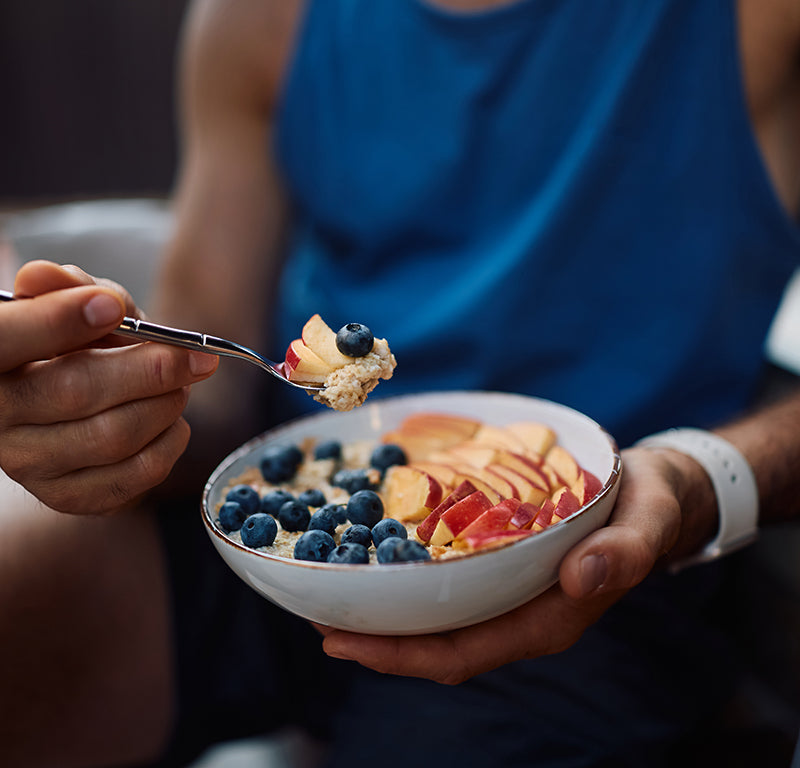
· Oatmeal
· Whole-grain bread
· Rice
· Potatoes
Fluids and Electrolytes
Sweating helps your body regulate temperature during exercise, but it also causes you to lose water and electrolytes.
Electrolytes such as sodium and potassium help support normal fluid balance and muscle and nerve function. Replacing fluids after exercise is an important part of your recovery routine, particularly after longer workouts or activities in warm conditions.
Your hydration needs will depend on factors such as workout duration, intensity, temperature, and how much you sweat.
When Should You Eat After a Workout?
You've probably heard that you need to eat immediately after exercising. But is there really a narrow window for post-workout nutrition?
Not necessarily.
While eating after exercise can support recovery, research suggests your overall daily nutrition and protein intake often matter more than following a strict post-workout schedule.¹
If you've recently eaten a balanced meal, you may not need a snack right after your workout.
However, if it's been several hours since your last meal, you're hungry, or you've just finished a particularly demanding workout, eating soon afterward may be a practical choice.
For athletes doing multiple workouts in one day, getting carbohydrates and other nutrients shortly after exercise matters more because there's less time to replenish glycogen stores.²
The takeaway? You don't need to race to the fridge, but there's no reason to delay eating when your body is ready for nourishment.
10 Easy Post-Workout Snack Ideas
If you’re looking for something satisfying after your next workout, these simple snack ideas combine protein, carbohydrates, and other nutrients to complement an active lifestyle.
1. Greek Yogurt with Berries and Granola
Greek yogurt is a popular post-workout option because it provides protein in an easy-to-eat format.
Add fresh berries for naturally occurring vitamins, then sprinkle on granola for additional carbohydrates and texture.
It's a simple combination that works whether you're coming home from the gym or heading straight into your next activity.
2. Cottage Cheese with Pineapple
Cottage cheese provides protein, while pineapple adds natural sweetness.
Combine them in a bowl or pack them separately for an easy post-workout snack.
You can also swap pineapple for peaches, berries, or another favorite fruit.
3. Whole-Grain Toast with Eggs
Eggs provide protein, while whole-grain toast adds carbohydrates.
Scramble, boil, or fry your eggs as you prefer, then serve them with toast for a satisfying post-workout option.
Add sliced tomatoes, spinach, or avocado if you want to make it more substantial.
4. Banana and Protein Smoothie
When you're short on time or don't feel like making a full meal, a smoothie is a convenient alternative.
Blend a banana with milk or a fortified milk alternative, Greek yogurt, and your preferred protein source.
Add berries or oats if you'd like more flavor.
For variety, try frozen mango, strawberries, or nut butter.
5. Turkey and Cheese Roll-Ups with Crackers
Need something savory? Try turkey and cheese roll-ups paired with whole-grain crackers.
Turkey and cheese contribute protein, while crackers provide carbohydrates.
Add sliced cucumbers, carrots, or grapes for extra variety.
This is also an easy option to prepare ahead of time and keep refrigerated until you're ready to eat.
6. Chocolate Milk and a Banana
Sometimes the simplest options are the easiest to stick with.
Chocolate milk provides protein, carbohydrates, and fluid, making it a practical post-exercise choice.
Pair it with a banana for additional potassium.
Choose a dairy or fortified alternative that fits your nutritional needs and preferences, keeping in mind that protein content varies between products.
7. Hummus with Pita Bread
Looking for a plant-based option?
Hummus provides some protein, fiber, and fat, while pita bread contributes carbohydrates.
Add sliced bell peppers, cucumbers, or carrots for a little crunch.
For a higher-protein snack, consider pairing it with edamame or another protein-rich food.
8. Peanut Butter and Banana Sandwich
A familiar favorite can also work after a workout.
Whole-grain bread and banana provide carbohydrates, while peanut butter contributes fat and some protein.
For more protein, pair your sandwich with a glass of milk, Greek yogurt, or another protein-rich food.
It's easy to customize and requires very little preparation.
9. Hard-Boiled Eggs with Fruit and Pretzels
Hard-boiled eggs are a convenient option you can make ahead and keep ready for a quick, protein-rich snack.
Pair them with an orange, grapes, or an apple for carbohydrates, and add a small serving of pretzels if you'd like something more filling.
Pretzels also contain sodium, an electrolyte lost through sweat.
This combination is especially convenient when you need something portable after a workout.
10. Overnight Oats with Greek Yogurt
If you exercise early in the morning, having breakfast ready when you finish can make your routine a little easier.
Combine oats, milk, Greek yogurt, and your favorite fruit in a container and refrigerate overnight.
Oats and fruit provide carbohydrates, while Greek yogurt and milk contribute protein.
Add chia seeds, cinnamon, or nut butter to suit your preferences.
Post-Workout Snacks Based on Your Activity
Not every workout places the same demand on your body. A short walk, strength-training session, and long-distance run can require different energy and hydration.
Here's a general guide to help you choose a snack.
|
Activity |
What to consider |
Snack ideas |
|
Strength training |
Protein for muscle repair, plus carbohydrates as needed |
Greek yogurt with granola, eggs and toast |
|
Running or cycling |
Carbohydrates to replenish glycogen, along with protein |
Banana smoothie, overnight oats |
|
Yoga or Pilates |
A balanced snack based on hunger and workout intensity |
Cottage cheese with fruit, hummus and pita |
|
Longer or intense workouts |
Carbohydrates, protein, fluids, and potentially electrolytes |
Turkey roll-ups with crackers, smoothie and a hydration drink |
|
Light activity |
Your next regular meal may provide everything you need |
Fruit and yogurt, or a balanced meal |
These are general suggestions rather than strict rules. The right snack depends on your activity, appetite, goals, and what you've eaten throughout the day.
Don't Forget About Post-Workout Hydration
It's easy to focus on food after exercise, but hydration deserves just as much attention.
Sweating causes you to lose electrolytes and fluids. Replacing those losses helps restore normal hydration.
For many shorter or lower-intensity workouts, water and regular meals may be enough.
After longer workouts, especially in hot or humid conditions, an electrolyte beverage may be a useful addition to your hydration plan.
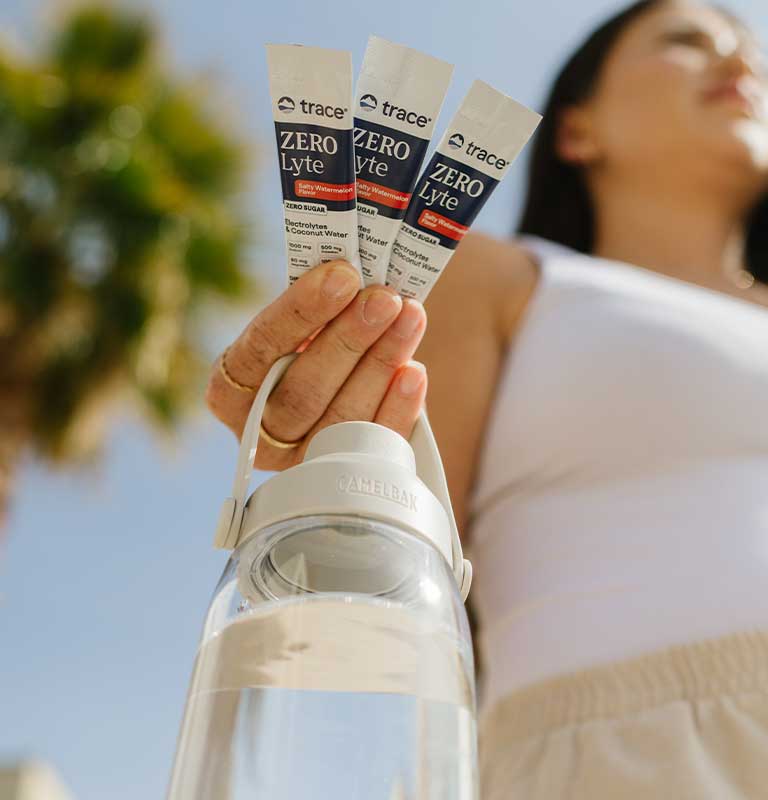
Trace Minerals® Hydro Pak SPORT combines electrolytes, including sodium and potassium, with glucose in an easy-to-mix drink formulated to support hydration and nutrient and electrolyte absorption.†
Pair it with a carbohydrate- and protein-rich snack after exercise as part of your overall recovery routine.
Keep in mind that an electrolyte drink doesn't replace the protein and other nutrients you get from food. Think of hydration and nutrition as complementary parts of your post-workout plan.
What About Protein Shakes and Recovery Supplements?
Whole foods can provide the nutrients you need after exercise, but convenience matters, too.
If you're heading from the gym to work or don't have time to prepare a meal, a protein shake may be a practical option.
Protein powders can help you meet your daily protein needs, although they're not necessary for everyone.¹
Creatine is another supplement commonly included in fitness routines. It helps support the body's rapid energy system during short bursts of high-intensity activity. However, its benefits come from consistent use rather than taking it immediately after a workout.
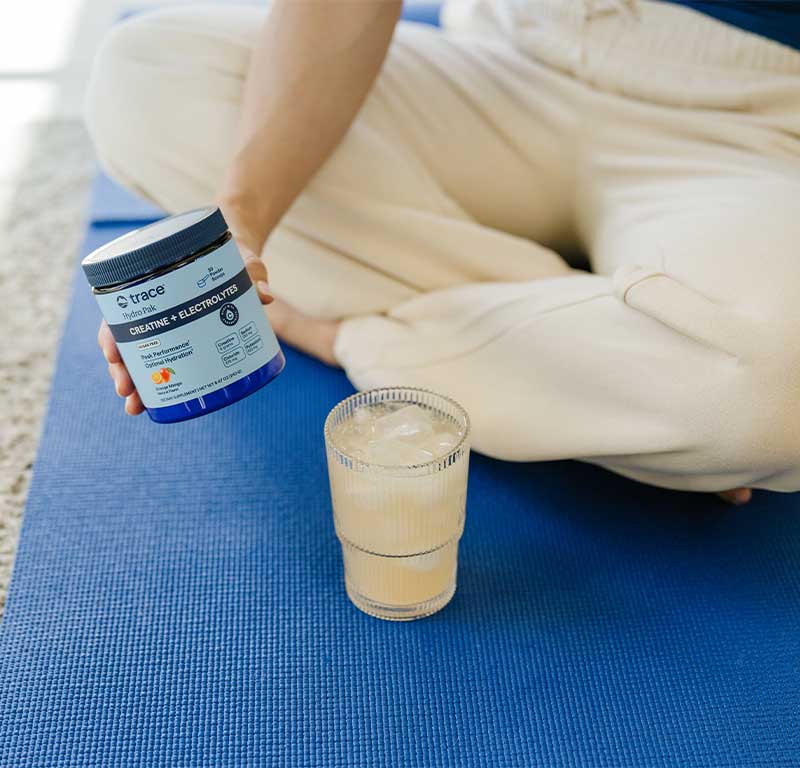
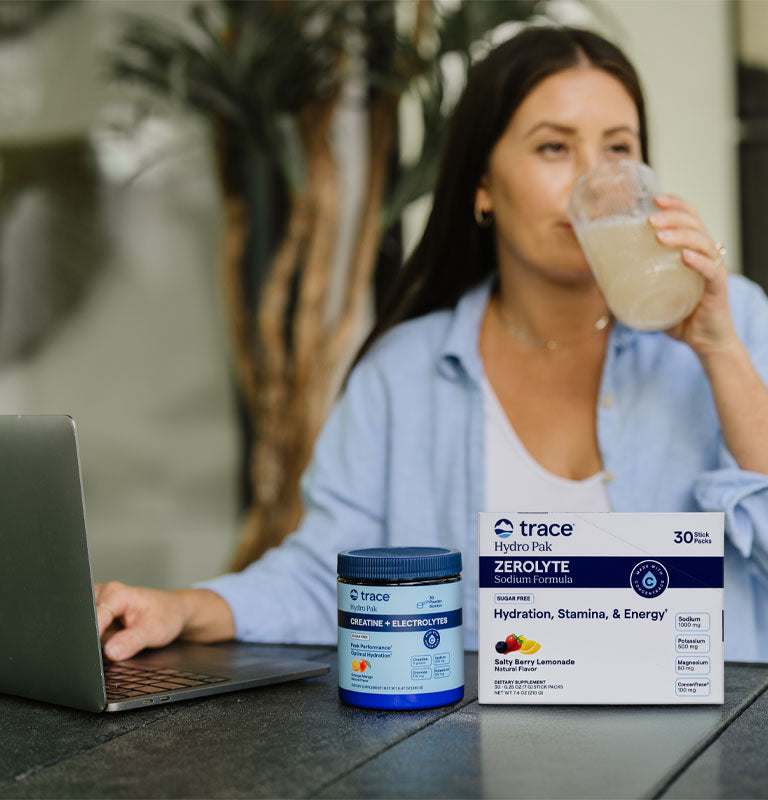
If creatine is already part of your routine, Trace Minerals® Hydro Pak Creatine + Electrolytes combines creatine and electrolytes in one drink, making it a convenient way to include both in your day.
As with any supplement, follow the product directions and consider your individual nutritional needs.
How to Build Your Own Post-Workout Snack
You don't need a special recipe to create a balanced post-workout snack.
Start with this simple formula:
Protein + carbohydrates + fluids
That might look like:
· Greek yogurt + berries + water
· Eggs + whole-grain toast + water
· Cottage cheese + pineapple + water
· Protein smoothie + banana
· Turkey roll-ups + crackers + water
· Overnight oats + Greek yogurt + water
· Protein-containing snack + Hydro Pak SPORT when additional electrolytes fit your hydration needs
Adjust portions and ingredients based on your appetite, activity, and overall nutrition goals.
The goal isn't to make every post-workout snack perfect. It's to find options that work with your schedule and provide nutrients your body can use.
Key Takeaways About Post-Workout Snacks
1. Protein provides amino acids that support muscle maintenance and repair after exercise.
2. Carbohydrates help replenish glycogen stores used during physical activity.
3. Fluids and electrolytes are important considerations after workouts involving significant sweating.
4. Eating immediately after exercise isn’t necessary for everyone, but timing may matter more when recovery time is limited.
5. Greek yogurt, eggs, cottage cheese, smoothies, and whole-grain foods are convenient post-workout options.
6. Protein shakes and other supplements can complement a balanced diet but aren’t required for every workout.
7. The best post-workout snack is one that fits your nutritional needs, activity, and routine.
Frequently Asked Questions
Is it okay to exercise and then go straight to bed?
Yes. If you exercise in the evening, you don't necessarily need a large meal before bed. However, if you're hungry or haven't eaten for several hours, a light snack containing protein and carbohydrates can be a practical option. Greek yogurt with fruit or a small smoothie are easy choices.
Can you eat something sweet after a workout?
Absolutely. Fruit, yogurt, and other sweet foods can provide post-workout carbohydrates. What matters most is your overall nutrition and how the snack fits into your needs. For a more balanced option, pair a carbohydrate-rich food with a protein source.
Do you need a different snack after cardio versus weightlifting?
Not necessarily, but the emphasis may change. Protein matters after resistance training because it provides amino acids for muscle repair. Carbohydrates may deserve additional attention after longer endurance activities that use more glycogen. Both nutrients can be useful after either type of exercise.
What if you're not hungry after exercising?
You don't have to force yourself to eat a large meal immediately. If your appetite is low, try a smaller snack or a smoothie that provides protein and carbohydrates. Pay attention to your overall food intake, especially if you exercise frequently or intensely.
Can you eat a regular meal instead of a post-workout snack?
Of course! If breakfast, lunch, or dinner is coming up shortly after your workout, a balanced meal can provide the same types of nutrients you'd get from a snack. You don't need to add an extra eating occasion just because you've exercised.
The Bottom Line
Eating after a workout doesn't require much planning or fancy ingredients. The good news is that you probably already have plenty of options in your kitchen!
Of course, what you eat is only one piece of the recovery puzzle. Drinking enough water, getting a good night's sleep, and eating well throughout the day also help you stay on top of your wellness goals.
Read Also
· Pre-Workout Snacks: What to Eat Before a Workout
· Creatine Before Or After Workout – What Science Says
· Mineral-Rich Foods To Add To Your Diet
Sources
1. Jäger, Ralf, et al. “International Society of Sports Nutrition Position Stand: Protein and Exercise.” Journal of the International Society of Sports Nutrition 14 (2017): Article 20. https://doi.org/10.1186/s12970-017-0177-8.
2. Kerksick, Chad M., et al. “International Society of Sports Nutrition Position Stand: Nutrient Timing.” Journal of the International Society of Sports Nutrition 14 (2017): Article 33. https://doi.org/10.1186/s12970-017-0189-4.
†These statements have not been evaluated by the Food and Drug Administration. Products mentioned are not intended to diagnose, treat, cure, or prevent any disease. The information in this article is for educational purposes only and is not intended as medical advice. Consult your healthcare provider before making significant changes to your diet or supplement routine.