

Waking up thirsty can feel like something happened overnight that left you dehydrated. In reality, morning thirst can reflect both how long you slept and your hydration habits the day before.
Your body doesn't stop using and losing water when you go to sleep. Water continues to leave the body through breathing, perspiration, and other normal processes.1 And because you typically aren't drinking anything for several hours while you sleep, it makes sense that you may wake up ready for a drink.
But does waking up thirsty mean you're dehydrated? Do you lose electrolytes while you sleep? And should you reach for water or an electrolyte drink first thing in the morning?
Let's look at what may be behind your morning thirst and how to decide what belongs in your morning hydration routine.
Why Am I So Thirsty When I Wake Up?
Thirst is one way that your body signals that you need to replace fluids. Waking up thirsty doesn't automatically mean you're significantly dehydrated, but it can remind you to pay attention to your fluid intake.2
Several factors may contribute to how thirsty you feel in the morning:
- Your total fluid intake the previous day
- Physical activity and sweating
- Hot or dry environments
- What you ate and drank
- How long you slept
- Normal overnight water losses
This is why morning hydration doesn't start when your alarm goes off. Your hydration status reflects the balance between what you consume and the water your body loses throughout the day and night.
Is It Thirst or Just Dry Mouth?
Waking up with a dry mouth can make you reach for your water bottle, but dry mouth and thirst aren't always the same.
Thirst signals your body needs a drink, while dry mouth happens when there isn't enough saliva to keep your mouth comfortably moist. Your night-time environment and habits can play a role, too. Dry air, mouth breathing, and certain medications may contribute to morning dry mouth.
If your mouth feels dry first thing in the morning but you aren't particularly thirsty, drinking more water throughout the day may not fix the cause. On the other hand, if you're waking up genuinely thirsty, it may be worth looking at your overall fluid intake and losses throughout the previous day.
Either way, paying attention to how you feel in the morning can give you useful information about your hydration habits and nighttime environment.
Do You Lose Water While You Sleep?
Yes. Even though you're resting, your body is still hard at work.
You continue to lose small amounts of water through breathing and perspiration while you sleep. Your body also requires water for normal physiological processes around the clock.
Those losses may not seem significant individually, but you're also going several hours without replacing them. By morning, thirst may be your body's way of telling you it's time to drink more.
Why Drinking Water Before Bed May Not Be Enough
If you frequently wake up thirsty, you may be tempted to drink a large glass of water right before bed. But you can't necessarily catch up on hydration all at once.
Your overall fluid intake throughout the day matters, along with factors that increase your requirements. Physical activity, sweating, temperature, humidity, diet, and other factors can all influence how much fluid you need.
Instead of relying on one glass of water at bedtime, think about hydration as something you maintain throughout the day.
Do You Lose Electrolytes While You Sleep?
Electrolytes are electrically charged minerals found in fluids throughout the body. Sodium, potassium, magnesium, and chloride are electrolytes that support hydration and normal muscle and nerve function.
You can lose electrolytes [DS1] through sweat, so how much you lose overnight can depend partly on how much you perspire. A warm bedroom, heavy bedding, or other factors that cause more sweating may increase fluid and electrolyte losses.
That doesn't necessarily mean you need to replace electrolytes every morning. Factor in diet, activity, environment, and how much fluid and electrolytes you've lost.
Water vs. Electrolytes: What Should You Drink When You Wake Up Thirsty?
For everyday morning thirst, water may be all you need.
If you've been drinking fluids regularly, haven't been sweating heavily, and otherwise feel well hydrated, starting your morning with a glass of water can replace some of the fluid you lost overnight.
Electrolytes may also fit into your hydration routine. For example, your goals may change after heavy sweating, prolonged physical activity, time in hot conditions, or other situations that cause greater fluid and electrolyte loss.
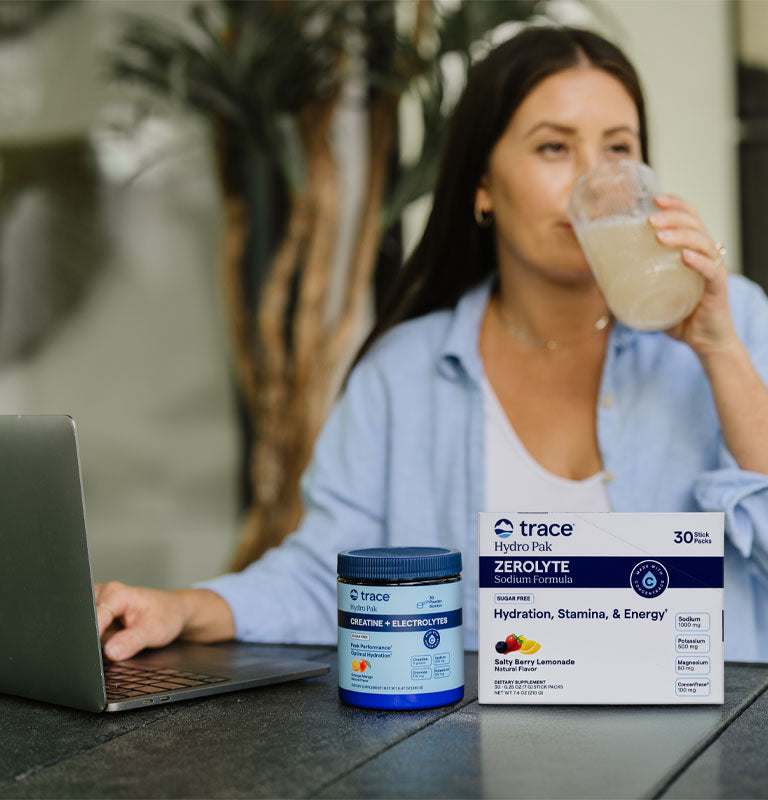
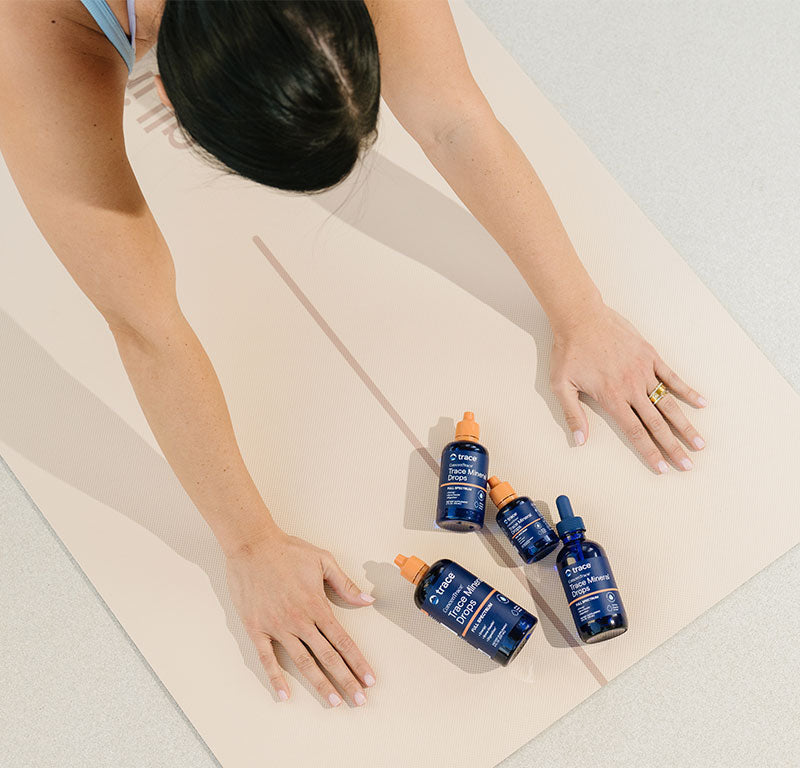
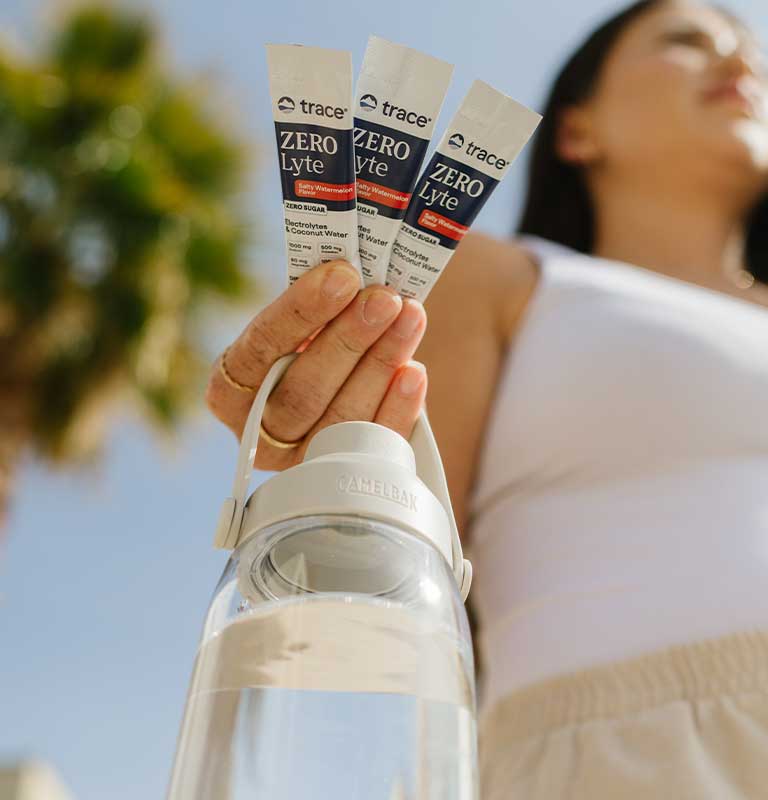
If electrolytes make sense for your morning routine, ZeroLyte® offers sodium, potassium, magnesium, and chloride in a convenient electrolyte drink mix.† For another option, ConcenTrace® Trace Mineral Drops can be added to water to provide a broad spectrum of ionic trace minerals.
The key is to look at the bigger picture rather than assuming every thirst signal requires electrolytes.
Should You Drink Electrolytes Before Bed?
Not necessarily.
For many people, drinking fluids consistently throughout the day matters more than adding an electrolyte drink right before bed. Electrolyte intake also varies by activity, sweat loss, diet, environment, and individual circumstances.
If you've had a particularly active or sweaty day, an electrolyte beverage may fit into your overall hydration routine. Trace Minerals® Hydro Pak products offer convenient ways to add electrolytes to your hydration routine when your needs are higher.†
How to Stay Hydrated Throughout the Day
Instead of trying to "catch up" at night or first thing in the morning, make hydration part of your entire day.
A few simple habits can help:
- Drink fluids regularly throughout the day.
- Keep water nearby so it's easy to reach for.
- Remember that foods and other beverages also contribute to total water intake.
- Consider activity level, temperature, and sweat losses.
- Pay attention to thirst and other signals from your body.
- Consider electrolytes when your activity or sweat losses increase your needs.
When you want more than plain water, an electrolyte drink can also make hydration easier to work into your routine. ZeroLyte®, Hydro Pak Sport, and other Trace Minerals hydration products offer different options depending on your activity, preferences, and what works for your body.†
There isn't one exact amount of water that's right for every person every day. Hydration needs vary with factors such as activity and environment, so your routine may look different from day to day.
Key Takeaways About Waking Up Thirsty
- Your body continues to lose water while you sleep through breathing, perspiration, and other normal processes.
- Morning thirst can reflect both overnight fluid losses and your hydration habits from the previous day.
- Drinking water immediately before bed doesn't replace the need for consistent hydration throughout the day.
- Water may be enough for ordinary morning thirst.
- Electrolytes may be worth considering when fluid and electrolyte losses are higher, such as after significant sweating or physical activity.
- Your hydration needs can change based on activity, environment, diet, and individual factors.
- Think of hydration as an all-day habit rather than something you need to "catch up" on at bedtime.
Frequently Asked Questions About Morning Thirst
Is it normal to wake up thirsty?
Some morning thirst can happen because you typically go several hours without drinking while continuing to lose water through normal processes such as breathing and perspiration.
Does waking up thirsty mean I'm dehydrated?
Not necessarily. Thirst signals you to drink, but morning thirst alone doesn't tell you exactly how hydrated you are. Your overall fluid intake, activity, environment, and fluid losses all play a role.
Can eating salty foods before bed make you thirsty in the morning?
It can. A high-sodium meal or snack may increase thirst as your body works to maintain its normal fluid balance. If dinner was particularly salty, you may notice that you feel thirstier than usual later that night or the next morning.
Can the color of my urine tell me if I'm dehydrated in the morning?
Urine color can offer some clues about hydration, but it isn't a perfect measure on its own. Darker yellow urine can be more concentrated, while pale yellow urine generally indicates greater fluid intake. Keep in mind that supplements, medications, foods, and other factors can also affect urine color.
When should I be concerned about waking up excessively thirsty?
Occasional morning thirst can happen for many reasons, including your fluid intake, activity level, diet, environment, and normal overnight water losses. However, if you're experiencing excessive or persistent thirst, especially along with frequent urination or other unexplained symptoms, consider talking with your healthcare provider to help determine what may be causing it.3
The Bottom Line
If you wake up thirsty, your body may simply be reminding you that it's time for some fluid after several hours without a drink. Because water is continually lost through breathing, perspiration, and other normal processes, some morning thirst can make sense.
But morning hydration is only one piece of the picture. Your fluid intake, activity, environment, diet, and losses throughout the previous day can all influence how you feel when you wake up.
For everyday thirst, water may be all you need. When fluid and electrolyte losses are higher, electrolytes may also fit into your hydration routine. Rather than focusing on one glass of water before bed or first thing in the morning, think about hydration as an all-day habit.
Read Also
Sources
1. National Institutes of Health. (2023). Hydrating for health. NIH News in Health. https://newsinhealth.nih.gov/2023/05/hydrating-health
2. National Academies of Sciences, Engineering, and Medicine. (2005). Dietary reference intakes for water, potassium, sodium, chloride, and sulfate. The National Academies Press. https://www.nationalacademies.org/read/10925
3. Centers for Disease Control and Prevention. (2026). About water and healthier drinks. https://www.cdc.gov/healthy-weight-growth/water-healthy-drinks/
†These statements have not been evaluated by the Food and Drug Administration. Product(s) mentioned are not intended to diagnose, treat, cure, or prevent any disease. The information in this article is for educational purposes only and is not intended as medical advice. Consult your healthcare provider before making significant changes to your diet or supplement routine.
[DS1]Instead of specifically focusing on ZeroLyte, I'd use a more general search link like this one: https://www.traceminerals.com/search?q=electrolytes&type=product