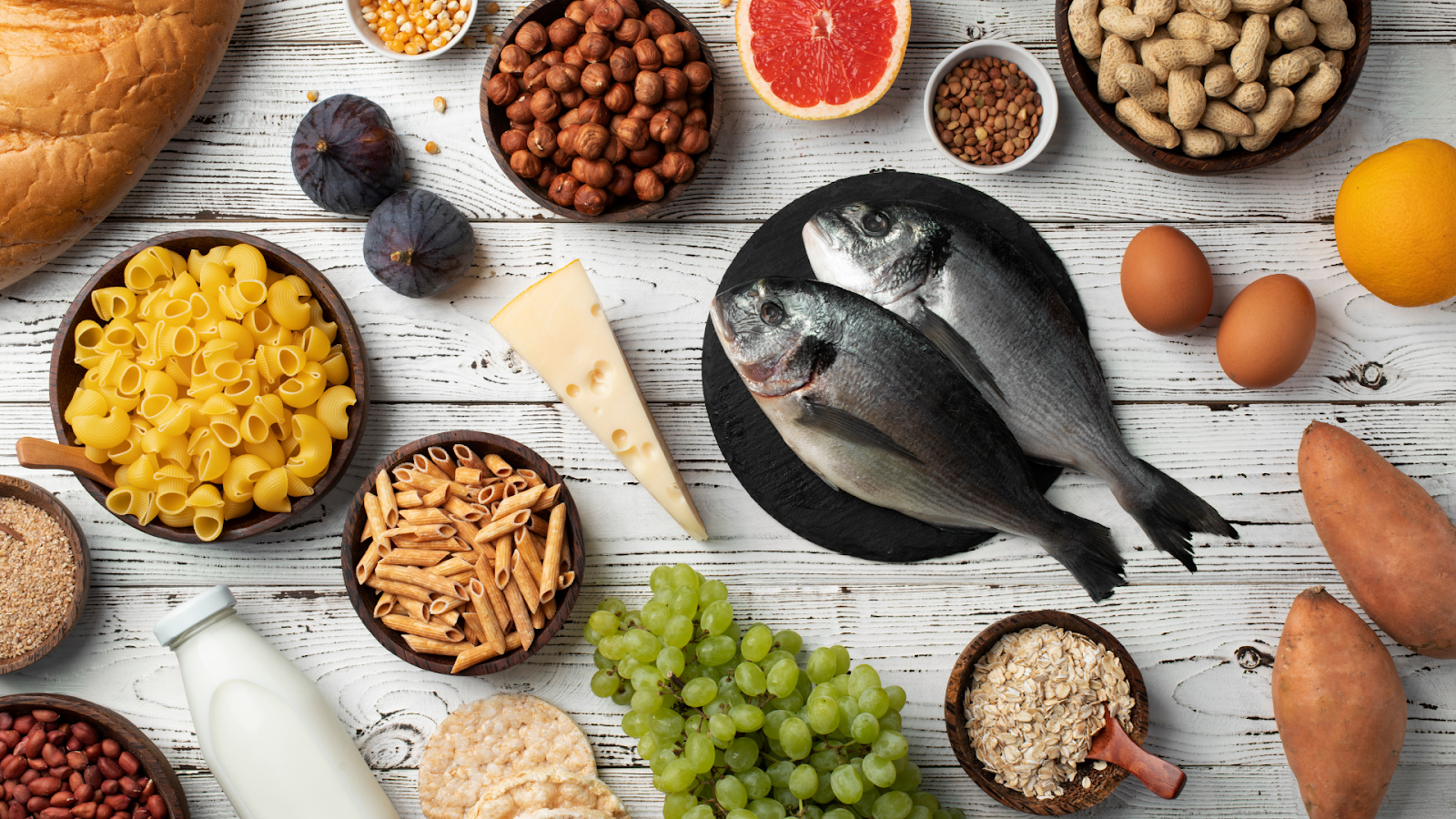


If you’ve ever wondered what foods have minerals, the answer is broader than most people expect. From everyday produce to pantry staples, minerals show up in more places than you might realize. Some support daily hydration, others play a role in muscle function or energy metabolism. The key is knowing where they naturally occur and how variety fits into your routine. A closer look can change how you think about everyday food choices.
At Trace, we focus on minerals because they matter, and we treat them with the respect they deserve. We formulate with intention, prioritize transparency, and back every product with careful sourcing and clear labeling. Nothing extra, nothing overstated. Just mineral support designed for everyday use, informed by science and shaped by decades of experience. That consistency is what defines Trace Minerals and guides how we show up for you.
In this blog, we’ll break down the origins of minerals, the role different foods play in daily mineral intake, and why understanding food-based sources is crucial in supporting overall balance and nutrition.
Key Takeaways:
- Vital Role Of Minerals In Daily Wellness: Minerals are essential for body functions such as hydration, energy metabolism, cognitive function, and recovery, and must be obtained through diet since the body cannot produce them.
- Challenges Of Modern Diets: Intensive farming, food processing, and filtered water often lead to a lack of essential minerals in modern diets, necessitating mindful eating and supplementation to bridge the nutritional gap.
- Practical Dietary & Cooking Tips: Incorporating a variety of mineral-rich foods, such as leafy greens, seeds, whole grains, and seafood, alongside cooking techniques like using cast-iron cookware, enhances mineral intake to support overall health and balance.

Why Mineral Diversity Matters In Daily Meals
Minerals play a fundamental role in how the body moves, thinks, and recovers each day. While many people associate minerals with bone strength or hydration, their presence in various forms and sources is crucial for maintaining cellular balance and overall wellness. This diversity is also closely tied to long-term mobility, reinforcing why supporting your joints is so important as part of everyday nutrition.
- Balanced Hydration & Electrolyte Support: Minerals such as sodium, potassium, calcium, and magnesium each play unique roles in maintaining fluid balance and supporting nerve signals. Consistently consuming a variety of these electrolytes through foods rich in minerals helps maintain optimal hydration, especially for individuals with active lifestyles.
- Cognitive Function & Energy Metabolism: Trace minerals, including zinc, iron, selenium, and copper, play crucial roles in oxygen transport, energy conversion, and neurotransmitter synthesis. Including a variety of mineral sources supports mental clarity and steady energy.
- Movement & Recovery: Muscular contraction, bone formation, and tissue repair depend on minerals working together. Calcium provides structure, magnesium supports muscle relaxation, and phosphorus delivers energy to cells. Diversity ensures no single mineral is overpowered or depleted.
- Immune & Stress Support: Minerals such as zinc, selenium, and manganese contribute to immune function and antioxidant defense. Diversifying mineral intake covers essential roles while helping the body respond to daily demands.
Relying on a single food or supplement for all minerals may create imbalances, as many minerals interact and compete for absorption. Focusing on variety, leafy greens, seeds, nuts, legumes, dairy, lean proteins, seafood, and whole grains helps ensure your body receives a broad spectrum of ionic minerals to support daily function, resilience, and balance.
Whole Foods That Deliver A Full-Spectrum Mineral Boost
When considering what foods have minerals, focus on whole, minimally processed staples that support daily mineral intake across categories. These foods contribute to a balanced mineral profile and often appear on a well-rounded mineral-rich foods list:
- Leafy Greens: Spinach, kale, and Swiss chard are rich in magnesium, calcium, potassium, and iron. These dark greens blend easily into salads, smoothies, and sautés, making mineral support simple and consistent while highlighting the value of minerals in fruits and vegetables.
- Nuts & Seeds: Almonds, pumpkin seeds, chia seeds, and sunflower seeds provide magnesium, zinc, copper, and selenium. These are convenient sources for on-the-go routines while aiding daily nutritional needs.
- Whole Grains: Quinoa, brown rice, oats, and barley supply manganese, phosphorus, and magnesium. Prioritizing whole over refined grains helps preserve essential minerals stripped during processing, making them among the best sources of minerals in many diets.
- Sea Vegetables: Seaweed varieties such as nori, dulse, and kelp contain iodine, magnesium, and a spectrum of trace minerals common in marine environments. These add unique mineral diversity to meals.
- Legumes: Beans, lentils, and chickpeas are foundational for plant-based zinc, iron, magnesium, and potassium, supporting energy and recovery.
- Dairy & Fortified Alternatives: Milk, yogurt, and fortified plant-based milks (such as soy or almond milk) provide calcium, phosphorus, and potassium to support daily bone and metabolic health.
- Seafood: Salmon, sardines, shellfish, and other fish offer a spectrum of minerals, including selenium, iodine, zinc, and magnesium, often in highly bioavailable forms and considered a rich source of essential minerals.
Combining a variety of these foods helps maintain comprehensive mineral coverage, supporting hydration, muscle function, and overall daily well-being. Consistency in eating patterns matters—rotating different foods throughout the week delivers a naturally balanced approach to mineral intake.
Cooking In Cast Iron And Other Mineral-Friendly Techniques
Minerals aren’t only found in the foods you eat; the way you prepare your meals can influence mineral intake, too.
Here are some practical, science-backed kitchen techniques to maximize the minerals in every dish:
- Use Cast Iron Cookware: Cooking with cast iron can contribute additional iron to meals, especially when preparing acidic foods like tomatoes or using the pan frequently for simmering. This technique provides a small, consistent boost, especially valuable for people mindful of their iron intake.
- Limit Peeling & Over-Processing: Many minerals, such as potassium and magnesium, are concentrated in the skins of fruits and vegetables. Leave skins on root vegetables, apples, and other produce when possible to help retain these essential nutrients.
- Soak & Sprout Legumes: Soaking beans, lentils, and whole grains overnight, or encouraging them to sprout, can help reduce phytates. These natural compounds may otherwise limit mineral absorption in the digestive system; therefore, using these methods can increase the bioavailability of minerals.
- Opt For Steaming & Minimal Water Use: Boiling vegetables in a large amount of water can result in minerals leaching out. Instead, try steaming or using less water to preserve magnesium, potassium, and calcium.
- Choose Whole Foods & Reduce Refinement: Whole grains and minimally processed foods generally retain more minerals than their refined counterparts. Swapping white rice for brown rice or using whole wheat flour instead of white flour supports overall mineral intake.

How Modern Diets Lose Essential Minerals
Our daily mineral intake depends not just on what we eat, but also on how our food is grown, processed, and prepared.
Today’s modern diets often face obstacles that can silently undermine mineral balance:
- Intensive Farming Practices: Decades of high-yield agriculture can leave soil depleted of minerals. When soils lose mineral content, so do plants, and the foods that reach our tables.
- Highly Processed Foods: The more steps between farm and plate, the greater the likelihood that minerals are lost. Milling, refining, and bleaching grains and ingredients often strip away magnesium, zinc, selenium, and other essential nutrients crucial to healthy body processes.
- Filtered Water: Water is a surprising source of dietary minerals. However, the widespread use of water filtration and purification systems can remove both contaminants and naturally occurring minerals, such as calcium and magnesium.
- Selective Diet Trends: Plant-based, gluten-free, or other restricted eating patterns may unintentionally reduce intake of certain minerals if food variety or strategic supplementation isn’t prioritized.
- Cooking & Storage: Boiling, peeling, and prolonged storage can deplete foods of water-soluble minerals, like potassium, as well as trace minerals.
The result is that even with a generally balanced diet, many adults may face gradual, low-grade mineral depletion over time. This underscores the importance of actively considering which foods have minerals and incorporating a diverse array of minimally processed, mineral-rich options into daily routines.
When To Consider Ionic Trace Mineral Supplementation
Even with a balanced diet, certain factors can make it challenging to maintain optimal mineral intake. Modern food systems often strip soil and water of their natural minerals, while water filtration can further reduce trace mineral content in household supplies. Alongside these challenges, lifestyle and biological changes can influence your body's mineral status.
Consider ionic trace mineral supplementation if you notice any of the following scenarios:
- Increased Physical Activity: Regular exercise can lead to higher mineral losses through sweat. Replenishing essential minerals supports hydration and muscle function.
- Highly Processed Diet: Foods stripped of their natural mineral content may not supply enough daily micronutrients, particularly trace elements.
- Restricted Or Specialized Diets: Vegan, vegetarian, gluten-free, or allergen-avoidant patterns may limit access to certain naturally mineral-rich foods.
- Frequent Travel Or High Stress: Changes in routine, heightened stress, and altered hydration can all impact mineral needs.
- Aging: As we age, mineral absorption and retention can decrease, making consistent, bioavailable intake even more important.
- Filtration Or Softening Of Water: Advanced home water filtration systems and softeners can inadvertently remove beneficial minerals.
While most people can meet their basic mineral requirements through a nutrient-dense diet, supplementing with a multimineral, particularly in ionic form, can support balance and address everyday nutritional gaps. Look for products that provide a broad spectrum of naturally occurring trace minerals in bioavailable forms to help maintain consistency in your hydration, energy, and overall daily wellness.

Final Thoughts
When considering which foods contain minerals, it becomes clear that a mineral-first mindset is about more than checking boxes on a nutrient chart. Each meal offers an opportunity to support hydration, energy, and balanced daily function. Foundational foods, such as leafy greens, nuts, seeds, whole grains, beans, fruits, and seafood, provide a broad spectrum of essential minerals. Supporting these dietary sources with targeted multimineral supplementation, such as Trace’s ionic ConcenTrace drops, can provide added consistency, especially where modern diets or water processing may leave gaps.
Prioritizing daily mineral intake is a practical step for anyone, whether they are looking to support physical activity, maintain focus, or simply feel more balanced on a day-to-day basis. The body cannot produce minerals on its own; a diet built around variety and balance, paired with multiminerals in forms the body can efficiently use, offers a reliable foundation for ongoing wellness.
We believe in keeping mineral intake straightforward, informed, and accessible for everyone, every day. Remineralize yourself consistently, and let minerals keep you moving.
Frequently Asked Questions About What Foods Have Minerals
What are mineral-rich foods?
Mineral-rich foods are whole or minimally processed foods that provide significant levels of essential minerals like magnesium, calcium, potassium, iron, zinc, and selenium. These nutrients support hydration, muscle function, metabolism, and energy. Including a variety of mineral-rich foods in your meals helps maintain daily balance, particularly when paired with comprehensive multimineral support.
Which vegetables are highest in minerals?
Leafy greens like spinach, kale, and Swiss chard are particularly rich in magnesium, potassium, and calcium. Cruciferous vegetables, such as broccoli and Brussels sprouts, are rich in magnesium and iron. Root vegetables, such as sweet potatoes and beets, provide potassium and manganese, making them valuable options in a mineral-rich diet.
What fruits contain the most minerals?
Bananas, avocados, and dried fruits (such as apricots and prunes) are rich in potassium and magnesium. Citrus fruits contribute some calcium and potassium, while berries supply trace minerals alongside antioxidants. For foundational support, include a mix of fresh and dried fruits.
How do whole grains contribute to mineral intake?
Whole grains, such as oats, quinoa, barley, and brown rice, provide magnesium, selenium, and zinc. Unlike refined grains, whole grains retain their nutrient-dense bran and germ, offering a consistent source of multiminerals with every serving.
Are seafood and fish rich in minerals?
Yes. Salmon, sardines, mackerel, and shellfish (especially oysters and clams) are notable for their high levels of iodine, selenium, zinc, and iron. Sea vegetables, such as kelp and nori, also add iodine and trace minerals. Diverse seafood options support mineral variety in a balanced diet.
How do legumes support mineral consumption?
Beans, lentils, peas, and chickpeas are strong sources of iron, magnesium, potassium, and phosphorus. They also offer fiber, which supports overall digestion and nutrient absorption. Including a variety of legumes helps maintain steady mineral levels and a balanced diet.
What meats are best for mineral content?
Red meats (such as beef and lamb) are rich in heme iron and zinc, while poultry provides phosphorus and selenium. Organ meats, including liver, provide concentrated minerals, but these should be enjoyed in moderation as part of a diverse eating pattern.
Sources:
- Tardy, A. L., Pouteau, E., Marquez, D., Yilmaz, C., & Scholey, A. (2020). Vitamins and Minerals for Energy, Fatigue and Cognition: A Narrative Review of the Biochemical and Clinical Evidence. Nutrients, 12(1), 228. https://doi.org/10.3390/nu12010228
- Nurzyńska-Wierdak R. (2025). Green Leafy Vegetables (GLVs) as Nutritional and Preventive Agents Supporting Metabolism. Metabolites, 15(8), 502. https://doi.org/10.3390/metabo15080502
- Klurfeld D. M. (2018). What is the role of meat in a healthy diet?. Animal frontiers : the review magazine of animal agriculture, 8(3), 5–10. https://doi.org/10.1093/af/vfy009
Disclaimer:
This article is for informational and educational purposes only and should not be taken as medical advice. Nutritional needs and supplement use can vary widely from person to person. Always consult with a qualified healthcare professional before making changes to your diet, lifestyle, or supplement routine, especially if you have an existing health condition or take medications. Working with your provider helps ensure safe and effective choices for your individual needs.