


Vitamin And Mineral Supplements
Understanding vitamin and mineral supplements starts with recognizing how these nutrients support the body’s core systems. They contribute to energy production, muscle function, hydration, and overall resilience. Many individuals rely on them to strengthen areas where diet or lifestyle may fall short. Getting familiar with how these supplements complement daily nutrition provides a clearer sense of their value without revealing every detail upfront.
Filters
Filters


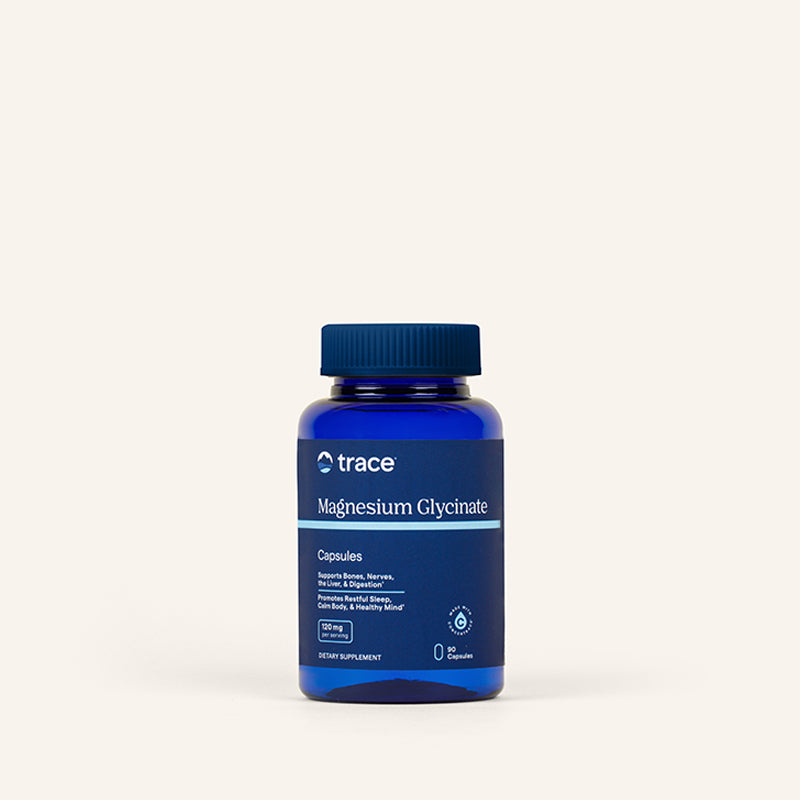



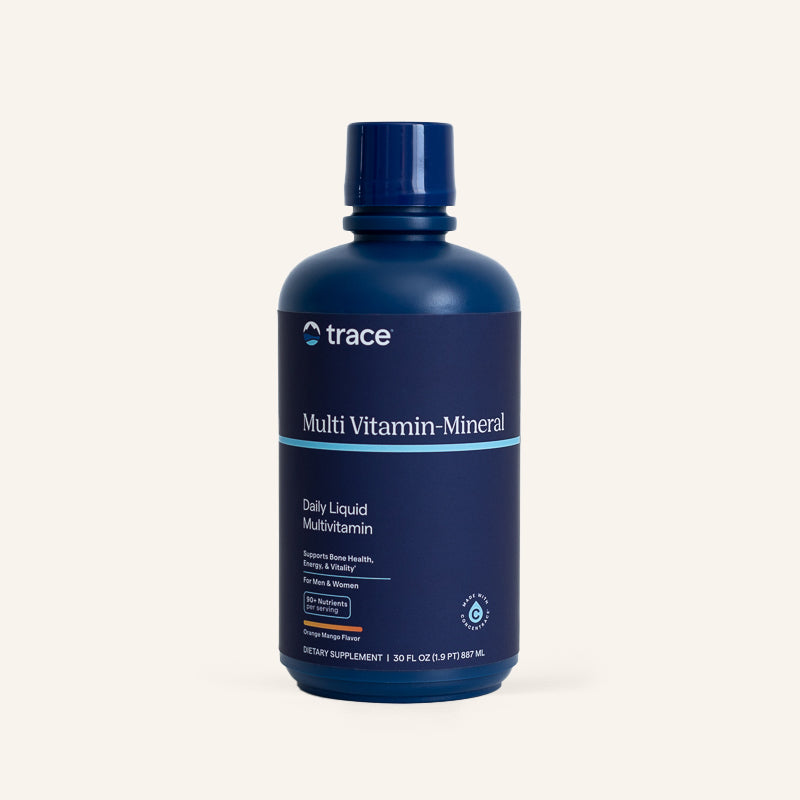











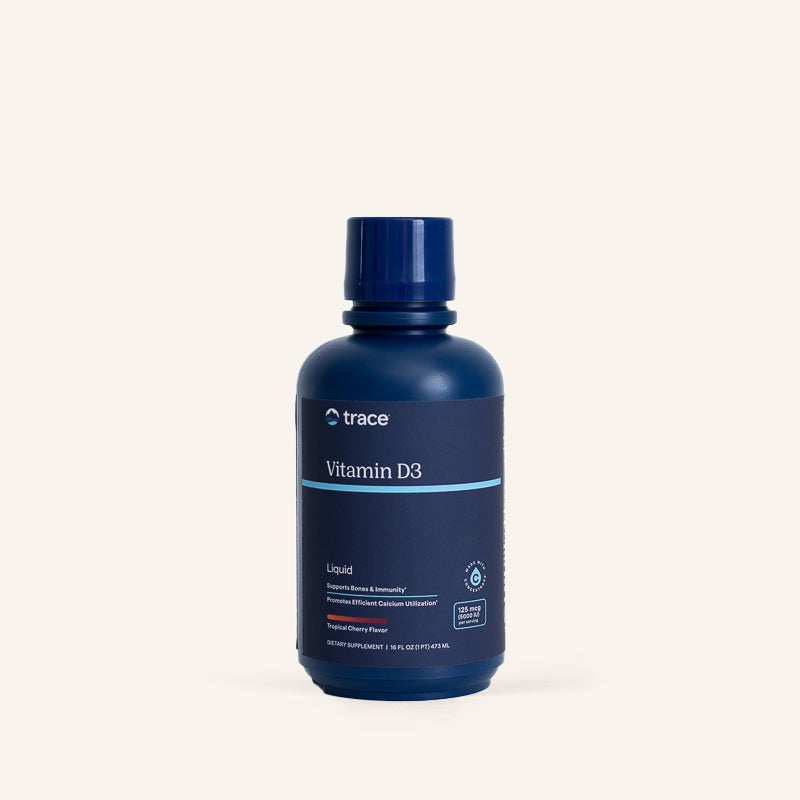




Understanding Vitamins And Minerals For Optimal Health
Maintaining optimal health relies on consistent intake of vitamins and multiminerals, each playing distinct yet interconnected roles in the body.
Vitamins: Essentials For Everyday Life
- Water-soluble (e.g., B-complex, vitamin C): Help support metabolism, immunity, and cellular function. The body doesn’t store these in large quantities, so regular intake matters.
- Fat-soluble (e.g., vitamins A, D, E, K): Contribute to vision, bone health, and antioxidant defense. These are stored in the body’s fat tissue and liver.
Minerals: The Body’s Building Blocks
- Macrominerals (e.g., calcium, magnesium, potassium): Involved in muscle contraction, nerve transmission, and maintaining fluid balance.
- Trace Minerals (e.g., zinc, selenium, chromium): Necessary in smaller amounts, yet crucial for immune system function, enzyme activity, and metabolism.
Why Both Matter
Together, vitamins and minerals support diverse biological functions such as:
- Energy production
- Muscle and nerve signaling
- Bone formation and maintenance
- Optimal hydration and electrolyte balance
Deficiencies, often subtle, may impact energy levels, cognitive function, or long-term health.
Diet And Supplementation
- Whole foods remain the primary source of essential nutrients.
- Supplementation offers a convenient way to help address nutritional gaps, particularly for individuals with higher nutritional needs, dietary restrictions, or specific lifestyle factors.
Intelligent, informed choices about vitamins and multiminerals can contribute to a stronger, more resilient foundation for daily wellness.

Signs You May Need Nutrient Support
Understanding the signals your body may send when it needs extra nutritional support can help guide your supplement decisions.
While the signs can be subtle or overlap with daily stressors, certain patterns may indicate a potential gap in vitamin and mineral intake:
- Low Energy Or Fatigue: Persistent tiredness not resolved by sleep or rest
- Muscle Cramps Or Weakness: Occasional spasms, twitching, or a feeling of heaviness
- Changes In Mood Or Focus: Difficulty concentrating, irritability, or feeling mentally sluggish
- Disrupted Sleep Patterns: Trouble falling asleep, staying asleep, or feeling unrested
- Immune System Challenges: Frequently feeling under the weather or slow recovery from physical activity
- Dry Skin, Hair, Or Nails: Noticeable brittleness, slow growth, or lack of usual suppleness
- Unexplained Headaches: Recurrent mild headaches, sometimes triggered by exertion or dehydration
These signals may indicate it's time to evaluate your daily nutrient intake and consult with a qualified health professional about potential support, including the role of balanced vitamin and mineral supplements.
Fuel your day with steady, reliable support from Trace. Our formulas are designed to help you stay focused, active, and balanced by supplying the multiminerals your body needs for consistent energy. If you're looking for energy supplements that complement your daily routine, Trace Minerals offers clean, dependable options designed to support stamina and overall well-being.
Bioavailability And Absorption Factors To Consider
Not every supplement delivers nutrients to the body in the same way. When it comes to vitamin and mineral supplements, the terms "bioavailability" and "absorption" are central to understanding what your body actually receives. Understanding why you need ionic minerals helps guide more informed choices, since these forms are easier for the body to recognize and absorb. Key considerations include:
- Form Of The Nutrient: Minerals and vitamins offered in ionic or chelated forms are generally better absorbed compared to some synthetic alternatives.
- Digestive Health: Healthy gut function supports the breakdown and uptake of supplements. Factors such as gut flora, pH levels, and enzymatic activity play a significant role.
- Competing Nutrients: Some minerals compete for absorption. For example, high intakes of calcium can interfere with the uptake of magnesium, zinc, or iron.
- Timing & Combinations: Certain vitamins are better absorbed with food (fat-soluble vitamins A, D, E, K), while others may be affected by meal composition or timing.
- Age, Gender, & Lifestyle: As people age, absorption efficiency can decrease. Life stages, activity levels, and underlying health conditions also play a role in nutrient needs and absorption rates.
- Supplement Quality: Purity, natural sourcing, and the absence of unnecessary fillers or binders can enhance the body's ability to utilize nutrients.
Understanding these factors helps individuals make better choices about the supplements best suited to support their daily health goals.
Role Of Electrolytes In Hydration And Performance
Electrolytes, minerals like sodium, potassium, magnesium, and calcium, are fundamental to how our bodies function, especially when it comes to hydration and physical performance.
Their roles are wide-ranging and science-backed:
- Hydration Balance: Electrolytes help regulate fluid levels inside and outside cells, supporting efficient hydration and muscle stamina.
- Muscle Function: Potassium and calcium work together to facilitate muscle contractions and support muscles during exercise and recovery.
- Nerve Communication: Sodium and magnesium play active roles in transmitting signals between nerve cells, affecting everything from reflexes to coordination.
- Energy & Stamina: Maintaining a proper electrolyte balance supports steady energy utilization and stamina throughout prolonged activity.
- Sweat Loss Replacement: During intense workouts or heat exposure, electrolytes are lost through sweat. Replenishment helps support endurance and maintain focus.
Without balanced electrolytes, even a well-hydrated body may experience decreased performance, dizziness, or slower recovery. Maintaining optimal mineral levels is a cornerstone of effective hydration and athletic well-being.
Why Trace Minerals Matter For Everyday Function
Trace minerals such as magnesium, zinc, and chromium may be required in small amounts, but their roles in the body are far from minor. Their contribution to daily wellness is well supported by scientific research, helping answer the common question of whether trace minerals are good for you in a practical, day-to-day sense.
Key roles trace minerals support:
- Muscle Movement & Relaxation: Magnesium is necessary for balanced muscle contraction, helping to support an active lifestyle.
- Cognitive Clarity: Minerals such as zinc influence neurotransmitter activity, which helps with concentration, memory, and mood regulation.
- Energy Metabolism: Many trace minerals function as cofactors, activating enzymes that transform food into usable energy throughout the day.
- Quality Sleep: Magnesium and other minerals may help support regular sleep cycles, contributing to more restful nights.
- Hydration & Fluid Balance: Electrolytes such as sodium and potassium support fluid equilibrium, which is crucial during exercise or in hot conditions.
- Immune Support: Zinc, selenium, and iodine are among the trace minerals that contribute to a balanced immune response.
Research suggests that not everyone receives adequate trace minerals from diet alone. Soil depletion, modern processing, and restrictive eating patterns can make it more challenging to obtain sufficient amounts of essential nutrients. Supplementation may help fill potential gaps, supporting a body’s most fundamental needs without a dramatic overhaul of daily routines.
Whether for athletes, busy professionals, or anyone looking to support well-being, trace minerals provide foundational support for everyday health.
Reading Supplement Labels And Certifications
Understanding what’s inside your supplement matters, especially with mineral and vitamin supplements. Not all products are created equal, and label details reveal a lot about a supplement’s quality, purity, and safety.
Here’s what to look for:
- Active Ingredients: Check the list of vitamins, minerals, and their specific forms. The bioavailability of certain types, such as magnesium citrate versus magnesium oxide, can significantly differ.
- Serving Size & Dosage: Examine how much of each nutrient is provided per serving. Compare these amounts against the daily value (%DV) recommendations for context.
- Other Ingredients: Scan for inactive components, such as fillers, binders, or sweeteners. Minimal extra ingredients are generally preferable.
- Sourcing & Traceability: Labels may indicate whether ingredients are derived from natural or synthetic sources and if the minerals are ionic or chelated for enhanced absorption.
- Certifications & Seals: Certifications from independent labs add an extra layer of trust for potency and purity. Non-GMO, gluten-free, and vegan seals indicate consideration for dietary and allergen requirements. cGMP (Current Good Manufacturing Practices) indicates adherence to quality manufacturing standards.
- Expiration Dates & Storage: Look for clear expiration dates and recommended storage instructions to ensure freshness and potency.
Reading the fine print can help you choose supplements that align with your health priorities, meet rigorous quality standards, and provide optimal support with each serving.
Read also:
- Why Adding Trace Minerals To Your Daily Wellness Routine Supports Energy And Balance
- Boost Energy Naturally: Daily Mineral Support That Works
- From PMS Relief To Better Sleep: How Hot Baths With Magnesium Flakes Support Women’s Health
Sources:
- Tardy, A. L., Pouteau, E., Marquez, D., Yilmaz, C., & Scholey, A. (2020). Vitamins and Minerals for Energy, Fatigue and Cognition: A Narrative Review of the Biochemical and Clinical Evidence. Nutrients, 12(1), 228. https://doi.org/10.3390/nu12010228
- Stefanache, A., Lungu, I. I., Butnariu, I. A., Calin, G., Gutu, C., Marcu, C., Grierosu, C., Bogdan Goroftei, E. R., Duceac, L. D., Dabija, M. G., Popa, F., & Damir, D. (2023). Understanding How Minerals Contribute to Optimal Immune Function. Journal of immunology research, 2023, 3355733. https://doi.org/10.1155/2023/3355733
- Melse-Boonstra A. (2020). Bioavailability of Micronutrients From Nutrient-Dense Whole Foods: Zooming in on Dairy, Vegetables, and Fruits. Frontiers in nutrition, 7, 101. https://doi.org/10.3389/fnut.2020.00101
Disclaimer:
This article is for informational and educational purposes only and should not be taken as medical advice. Nutritional needs and supplement use can vary widely from person to person. Always consult with a qualified healthcare professional before making changes to your diet, lifestyle, or supplement routine, especially if you have an existing health condition or take medications. Working with your provider helps ensure safe and effective choices for your individual needs.
Frequently Asked Questions
Vitamin and mineral supplements provide essential nutrients the body needs to function well. Available in capsules, tablets, liquids, and powders, they help maintain adequate nutrient levels when food intake is insufficient, supporting essential body processes such as energy production, immunity, and overall wellness.
People take vitamin and mineral supplements to support daily health, fill nutritional gaps, and maintain steady energy, sleep, and cognitive function. They may also use them to address specific lifestyle needs, including immune support, athletic performance, and stress-related nutrient depletion.
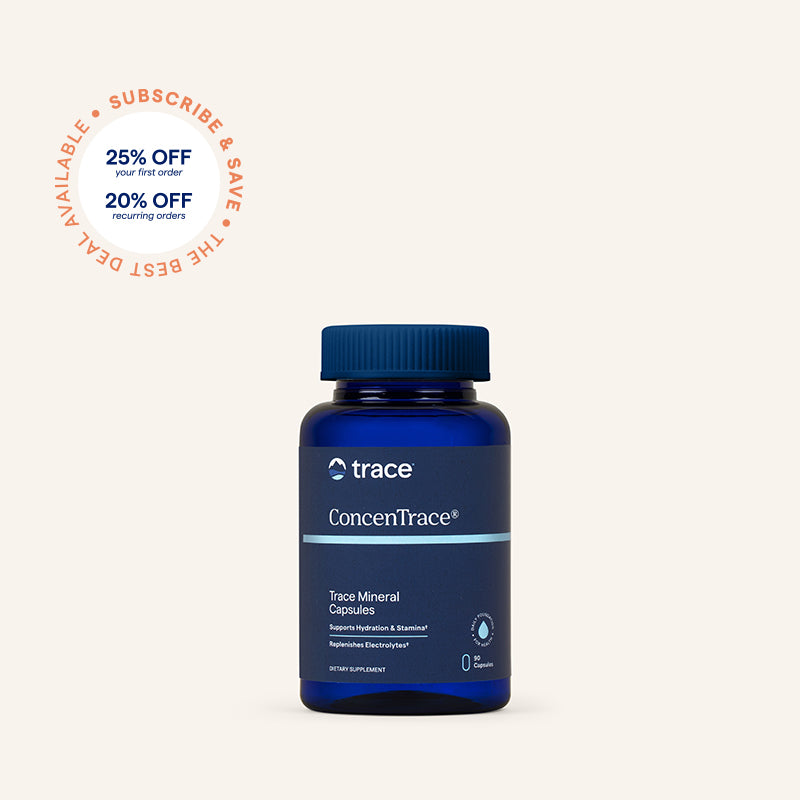
Common mineral supplements include magnesium for muscle and nerve function, zinc for immune support, calcium for bone health, and iron for oxygen transport. Many individuals also choose broad-spectrum trace minerals, such as ConcenTrace, for balanced and highly absorbable ionic mineral support.
A nutritious diet provides many essential vitamins and minerals. Still, factors such as soil depletion, food processing, dietary limitations, and increased activity levels can make it challenging to consistently meet all nutrient needs through food alone, leading some people to consider supplementation.
Supplements may be beneficial for individuals with dietary restrictions, athletes with higher electrolyte requirements, older adults with increased nutrient needs, and those facing stress or sleep disturbances. They can also benefit anyone seeking daily wellness support, ideally with guidance from a healthcare provider.
Vitamin and mineral supplements are generally safe when used as directed. Choosing reputable products, such as those from Trace, supports quality and transparency. It’s essential to follow the dosing instructions and consult a healthcare professional if you are taking medications or managing a health condition.


