


Immune System Supplements
Some days your body feels resilient and energized. Other days, fatigue, stress, and seasonal changes seem to test your immune defenses. Many people begin looking for immune system supplements when they want extra support for staying well, especially when daily routines become demanding.
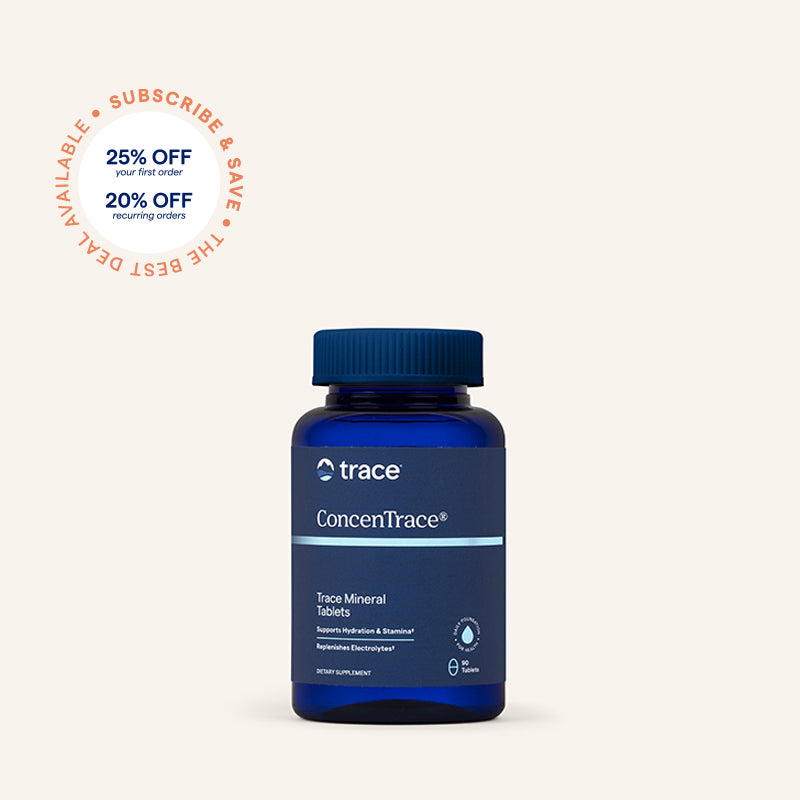
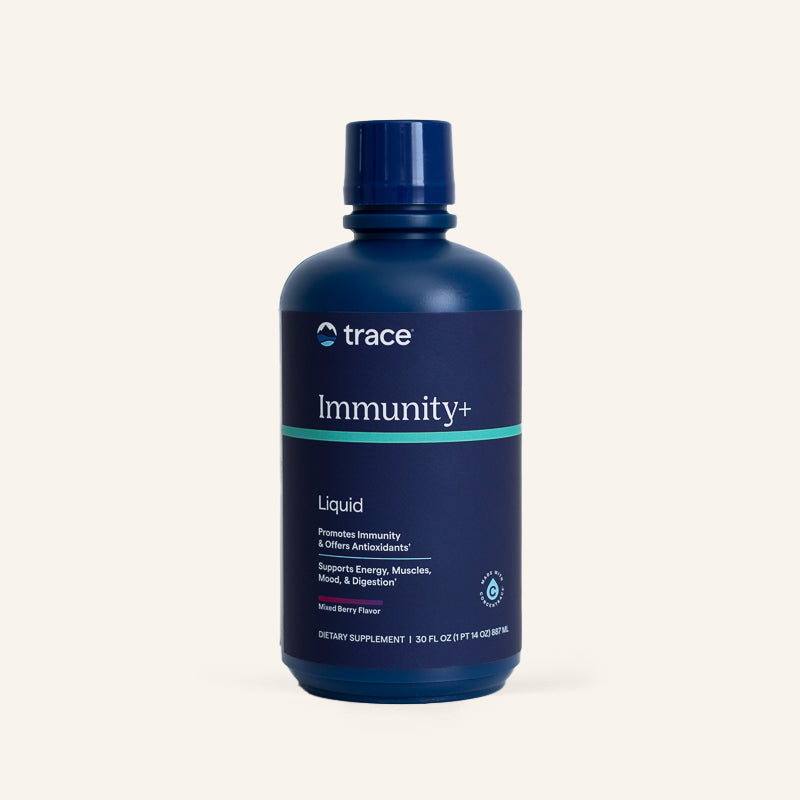
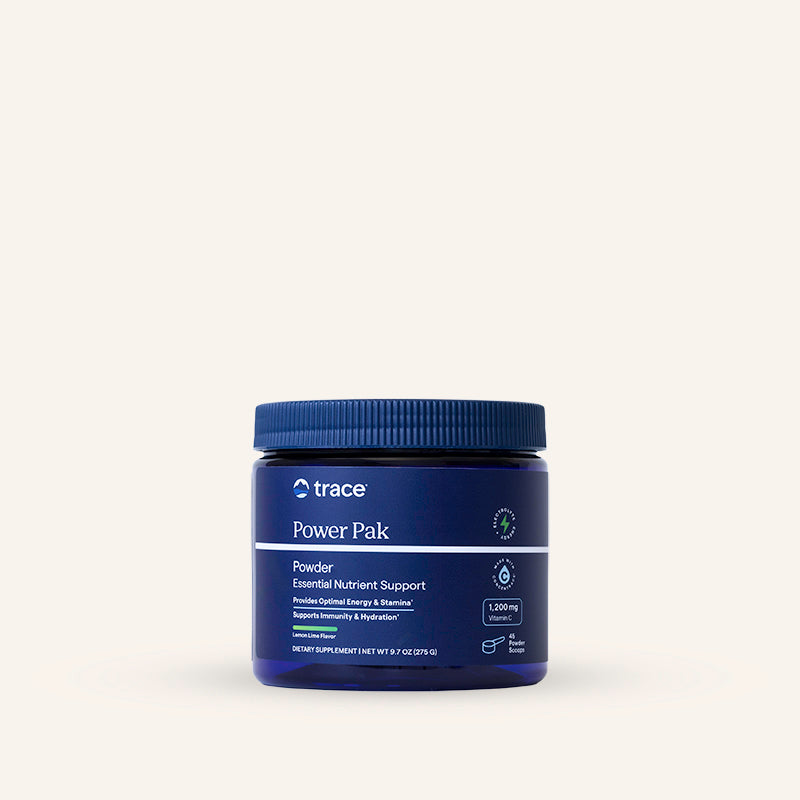
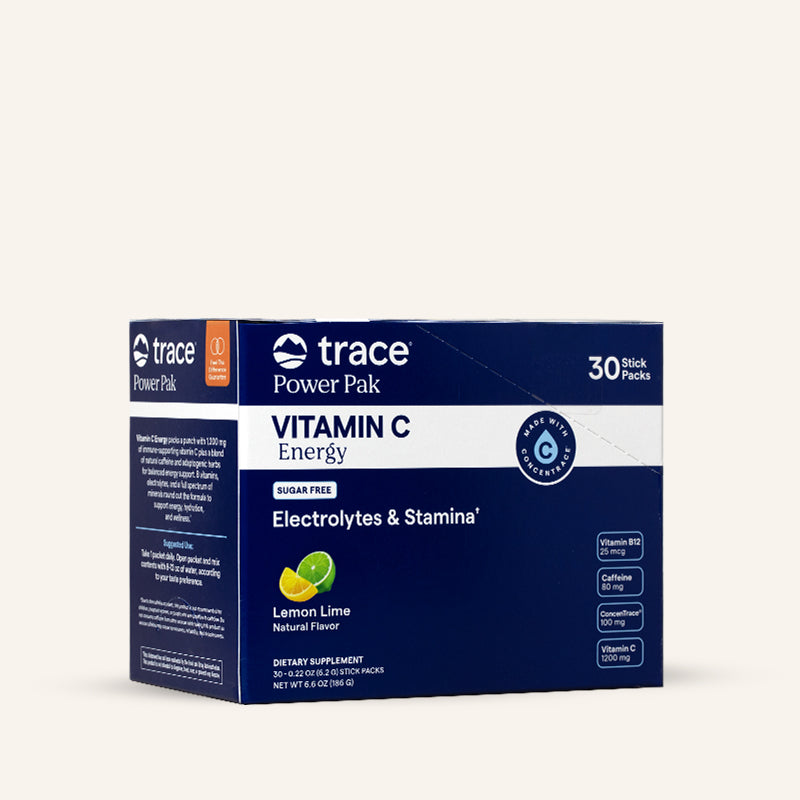
How Minerals Work Within The Immune Response
Minerals form the critical backbone of a healthy immune system, taking on roles that go far beyond basic nutrition. They provide the foundation for many processes that help the body maintain resilience and daily balance, which is why minerals are often included in supplements for immune system wellness routines.
Here’s a closer look at how essential minerals operate within the complex immune response:
- Zinc Benefits & Immune Health: Zinc supports the development and function of immune cells, contributing to normal cell signaling.
- Magnesium: Supports immune cell growth and activity. Magnesium also helps temper the body’s response to stress, which can influence immune resilience over time.
- Iron: Plays a role in the growth and activity of immune-supportive enzymes and supports overall oxygen delivery to cells. Balanced iron intake is important for healthy immune vigilance.
- Copper: Works alongside iron in multiple enzyme processes, helping maintain the integrity of connective tissues and supporting the immune response.
- Selenium: Provides antioxidant support, helping the body manage free radicals as part of normal immune function.
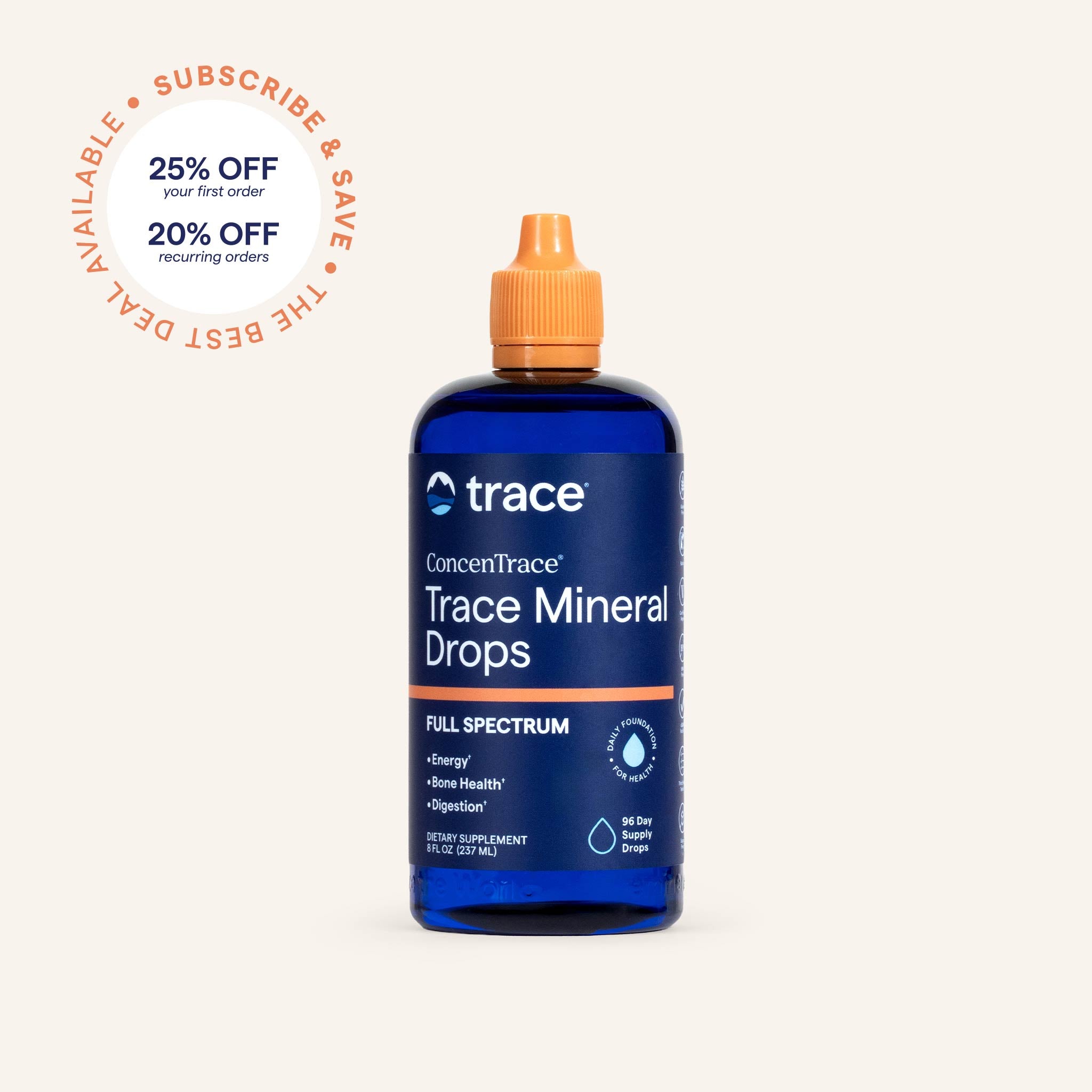
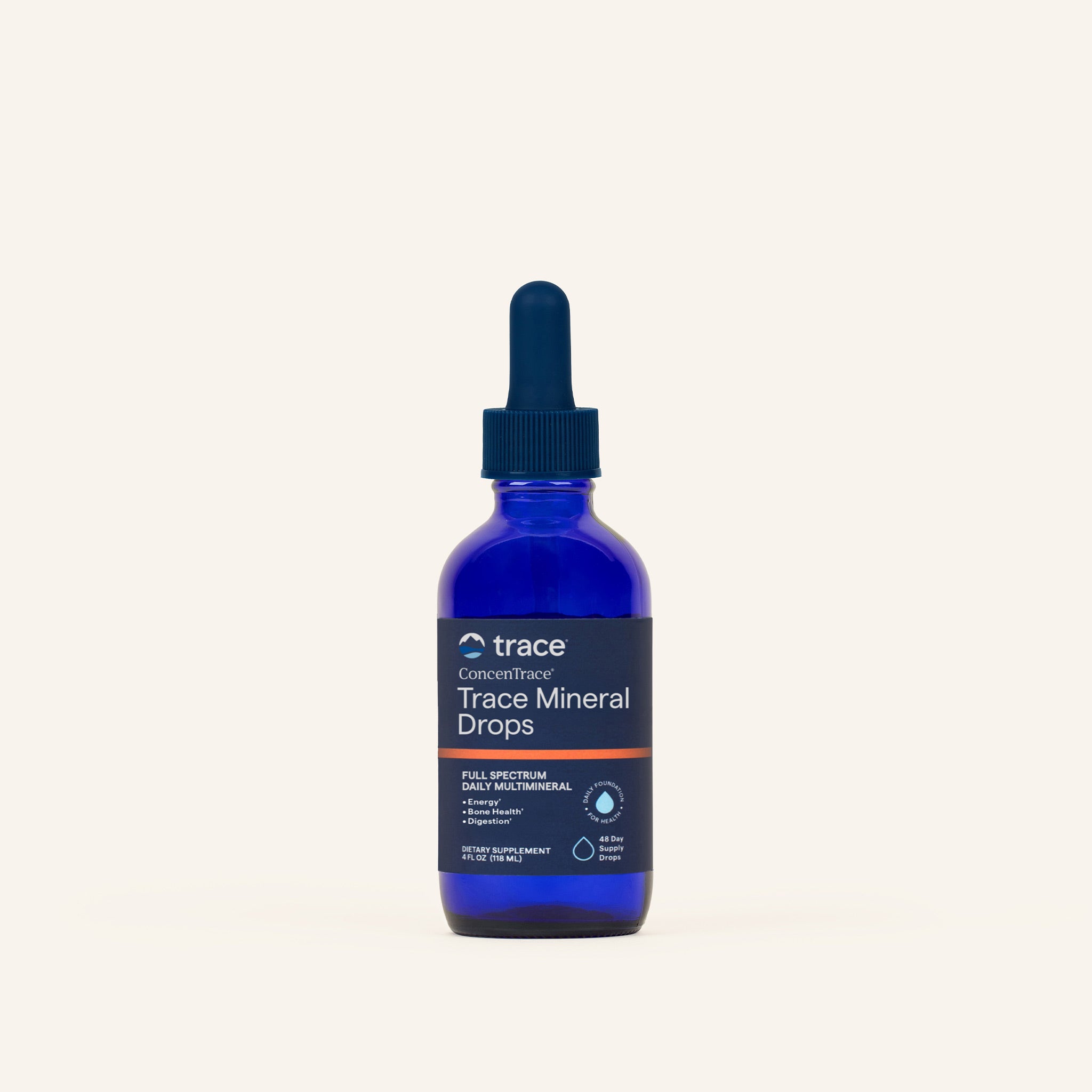
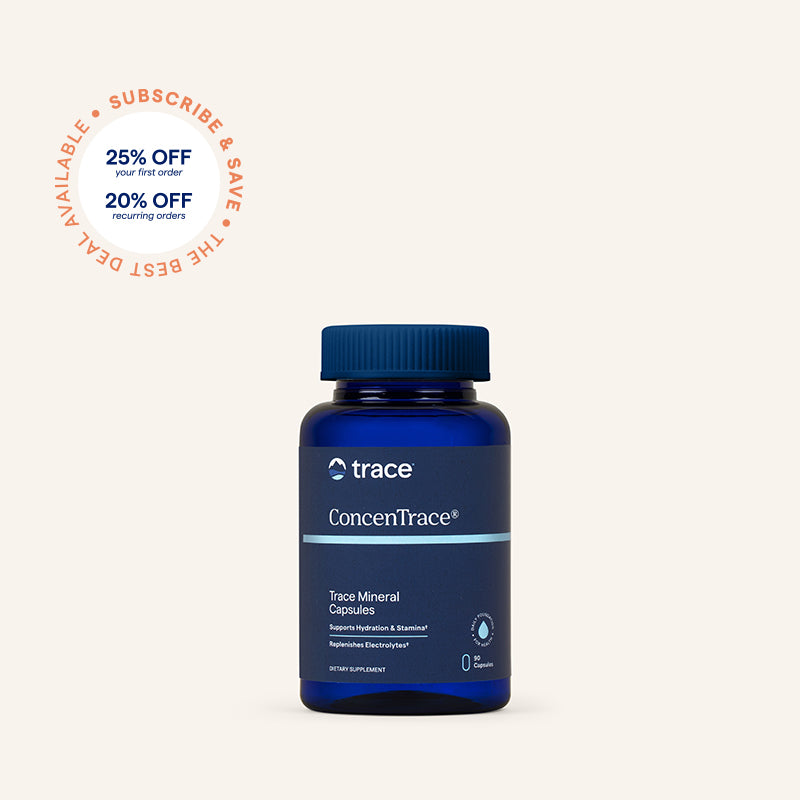
- Full-Spectrum Minerals: The body’s immune system relies on a broad array of minerals, including trace elements, to maintain daily balance, hydration, and optimal cellular signaling.
The interplay between these minerals is key: optimal immune support doesn’t come from just one nutrient, but from a spectrum, working together to keep fundamental processes running smoothly. When consistent, daily intake is prioritized, minerals help reinforce the foundational resilience needed for everyday immune support.

Choosing A Clean, Balanced Immune Supplement
When considering immune system supplements, clarity and balance are essential. Look for formulations that focus on supporting foundational wellness rather than overpromising quick fixes. Products positioned among the best immune system supplements typically prioritize balanced mineral intake alongside carefully selected complementary ingredients.
Here are practical points to keep in mind when evaluating immune supplements:
- Full-Spectrum Minerals First: Are you getting enough trace minerals for immune support? Select products that deliver a wide spectrum of naturally occurring minerals, particularly ionic forms that the body recognizes and absorbs efficiently.
- Botanicals In Balance: Botanicals such as elderberry, echinacea, olive leaf, or quercetin can complement the action of minerals. Zinc and quercetin are one well-studied pairing worth understanding. However, all should be included in measured, evidence-informed amounts.
- Clean Label Standards: Choose supplements free from unnecessary fillers, artificial colors, or excessive binders. Purity and transparency in labeling support confidence in daily use.
- Absorbability Matters: Ionic or highly soluble mineral forms support effective utilization by the body. Check for product information on bioavailability.
- Routine-Friendly Formats: Whether drops, capsules, or powders, daily consistency is key. Select a format that fits seamlessly into your routine for ongoing support.
- Synergy With Your Diet: Supplements should complement—not replace—a balanced diet rich in whole foods. Consider how a supplement’s mineral and botanical profile supports what may be missing from your regular intake.
Choosing a clean, balanced immune supplement is about long-term wellness, not short-term extremes. Look for thoughtful formulations backed by sound science and crafted to fit easily into everyday life.
Reading Supplement Labels For Quality And Compliance
Navigating the world of immune system supplements starts with understanding how to read a supplement label critically. While front-of-bottle claims can be eye-catching, the real substance is in the details found on the supplement facts panel and ingredient list. Evaluating these details helps consumers identify products that align with the standards typically associated with the best supplements for immune system support.
Here’s what to keep in mind before adding a supplement to your daily routine:
- Ingredient Transparency: Look for clear, straightforward ingredient lists with recognizable nutrients. Trace mineral forms (such as “zinc gluconate” instead of generic “zinc”) can offer better bioavailability.
- Full Spectrum Formulations: A robust immune support supplement often pairs foundational minerals like zinc and selenium with supporting nutrients and, in some cases, botanicals.
- Dosage & Serving Size: Review the listed amounts to ensure you’re not exceeding safe daily values. More is not always better—balance is key, especially with minerals.
- Third-Party Testing: Check for certifications or seals that indicate independent testing for purity, potency, and compliance with quality standards.
- Allergen Disclosure: Scan for statements about common allergens, and look for gluten- or soy-free designations if they are relevant to your needs.
- No Mega Doses: Quality immune system supplements focus on supporting everyday balance rather than delivering megadoses that go beyond nutritional requirements.
- Structure/Function Claims: Be cautious with products that make bold promises about disease prevention or cures. Responsible labels stick to claims around support, promotion, or maintenance.
Understanding these elements can help you select supplements that align with your personal goals for immune support without added hype or unnecessary risks.
Safety Considerations And Upper Limits For Immune Nutrients
Supporting the immune system with targeted nutrients means paying attention to both daily needs and safe upper limits. While certain vitamins and minerals are essential for immune function, consuming them well beyond recommended intakes doesn’t necessarily enhance benefits and can carry risks over time.
This balanced approach is important when choosing immune system support supplements intended for regular use.
Key Minerals And Vitamins For Immune Support:
- Zinc: Crucial for immune cell development and communication. The Recommended Dietary Allowance (RDA) for adults is 8 mg (women) to 11 mg (men) per day, with a Tolerable Upper Intake Level (UL) of 40 mg daily (NIH Office of Dietary Supplements, 2022). Selenium: Supports antioxidant defenses and immune responses. The RDA for adults is 55 mcg, with a UL of 400 mcg (NIH Office of Dietary Supplements, 2023). Vitamin C: Plays an antioxidant role and supports various cellular functions. The RDA for adults ranges from 75 mg (women) to 90 mg (men), and the UL is 2,000 mg (NIH Office of Dietary Supplements, 2021). Vitamin D: Helps regulate immune response. The RDA for adults is 600–800 IU, and the UL is 4,000 IU (NIH Office of Dietary Supplements, 2023).
Practical Guidelines For Everyday Use:
- Aim for consistent, daily intake through foods whenever possible, and supplement thoughtfully to fill dietary gaps, especially for minerals less abundant in modern diets.
- Check supplement labels for dosing, and consider total intake from all sources when calculating daily amounts.
- More is not always better; exceeding upper limits can compromise rather than support immune function.
Balancing nutrient intake within established RDAs and ULs provides a reliable foundation for immune health without risking imbalances or excess. Always consult with a healthcare professional before adding new supplements, especially if you have underlying health conditions or take medications.
When To Consider Targeted Immune Support Versus A Daily Multi
Our guide on how to support your immune system naturally covers the full picture, and supporting your immune system is a dynamic process where needs can shift with the seasons, travel, stress, or lifestyle changes. Understanding the distinction between a foundational daily multi-mineral or multivitamin and targeted supplements with focused support to the immune system helps you make confident, efficient choices for your wellness routine.
Consider A Daily Multi When:
- You’re looking to fill nutritional gaps in your diet and maintain consistent wellness.
- Your energy levels, sleep quality, and hydration are key priorities alongside immune support.
- You prefer balanced intake without excess of any one nutrient.
Opt For Targeted Immune Support When:
- You’re experiencing increased physical or mental stress, or changes in your environment (such as travel or seasonal transitions).
- You feel a need to focus specifically on supporting your body’s natural defenses with nutrients such as zinc, vitamin C, and selenium, as well as immune-supporting botanicals.
- Your wellness goals require a temporary focused effort, complementing your multi without overlapping or exceeding recommended intakes.
Balancing Both:
- Pairing a daily multi-mineral with targeted immune support can be useful during periods of increased demand, but be mindful to check for ingredient overlap and respect safe daily values.
- Minerals like zinc, magnesium, and selenium play a key role in immune support, so look for synergy rather than redundancy in your regimen.
Consistent, balanced supplementation creates a stronger foundation, while targeted support provides flexibility when your routines or needs change. Keeping both options in mind allows for a personalized approach that evolves with you.
Timing And Consistency: How To Take Immune Supplements Effectively
Getting the most from immune system supplements is less about taking a single ingredient and more about building steady habits. Here’s what current evidence and nutrition best practices suggest:
- Daily, Consistent Use: Immune-supporting nutrients, including zinc, selenium, and essential minerals, work best when supplied regularly. The body draws from mineral and vitamin reserves daily, so staying topped up matters more than an occasional high dose.
- Pair With Meals: Many minerals are absorbed more efficiently when taken with food. A small meal or snack helps minimize potential stomach discomfort and may improve uptake.
- Hydration Matters: Since minerals support fluid balance within cells, adequate water intake can help optimize their activity and absorption.
- Balance Over Excess: Layering immune system supplements with a daily multimineral or multivitamin can help maintain balance. Avoid megadoses unless specifically directed by a healthcare provider, as more isn’t always better for nutrients like zinc or copper.
- Timing With Lifestyle: For those with active routines or shifting schedules, identify a daily time you can realistically remember, morning with breakfast, post-exercise, or evening after dinner. Consistency takes priority over perfect timing.
Supporting your immune system means giving your body what it needs, in the right amounts, day after day. The focus stays on nourishment, hydration, and balance from within.
Disclaimer: This article is for informational and educational purposes only and should not be taken as medical advice. Nutritional needs and supplement use can vary widely from person to person. Always consult with a qualified healthcare professional before making changes to your diet, lifestyle, or supplement routine, especially if you have an existing health condition or take medications. Working with your provider helps ensure safe and effective choices for your individual needs.
Sources:
- National Institutes of Health, Office of Dietary Supplements. (2022). Zinc: Fact sheet for health professionals. https://ods.od.nih.gov/factsheets/Zinc-HealthProfessional/
- National Institutes of Health, Office of Dietary Supplements. (2023). Selenium: Fact sheet for health professionals. https://ods.od.nih.gov/factsheets/Selenium-HealthProfessional/
- National Institutes of Health, Office of Dietary Supplements. (2021). Vitamin C: Fact sheet for health professionals. https://ods.od.nih.gov/factsheets/VitaminC-HealthProfessional/
- National Institutes of Health, Office of Dietary Supplements. (2023). Vitamin D: Fact sheet for health professionals. https://ods.od.nih.gov/factsheets/VitaminD-HealthProfessional/
Frequently Asked Questions
Immune system supplements are products formulated to support the body’s natural immune defenses. These often include vitamins, minerals, and botanicals that have been shown to help maintain immune balance and function. At Trace, we focus on mineral-forward immune support, featuring key nutrients like zinc blended with full-spectrum ionic minerals for everyday balance.
Evidence suggests that certain nutrients—including zinc, vitamin C, and vitamin D—help support normal immune function. Minerals play an essential role in daily immune health, and a well-chosen supplement can help fill nutritional gaps in modern diets. Effectiveness depends on the nutrient profile, bioavailability, and consistent use as part of an overall healthy lifestyle.
Supplements should not be viewed as a prevention or cure for colds or illness. However, nutrients like zinc and vitamin C, when taken regularly, can support the body's immune defenses. Consistency, balance, and lifestyle factors all contribute to supporting your immune health.
Some immune system supplements can be safe for children, but it’s important to consult a pediatrician before starting any new supplement. Always check age recommendations and serving sizes on product labels.
Certain immune supplements, such as those containing zinc or vitamin K, may interact with specific medications. Speak with your healthcare provider or pharmacist before adding an immune supplement to your daily routine, especially if you are taking prescription medications.
Immune supplements provide nutrients the body uses for immune cell development, signaling, and defense responses. Minerals like zinc are involved in hundreds of biochemical pathways related to immune health and are most effective when supplied in forms readily absorbed, such as ionic mineral blends.


