


Multi Magnesium Supplement
A multi-magnesium supplement combines several forms of magnesium to support daily mineral intake. At Trace Minerals, we formulate our Multi Magnesium supplement to support muscle function, hydration balance, and normal cellular activity. Magnesium participates in hundreds of biological processes in the body, including energy production and nerve signaling, making steady intake an important part of daily wellness.
Filters
Filters
















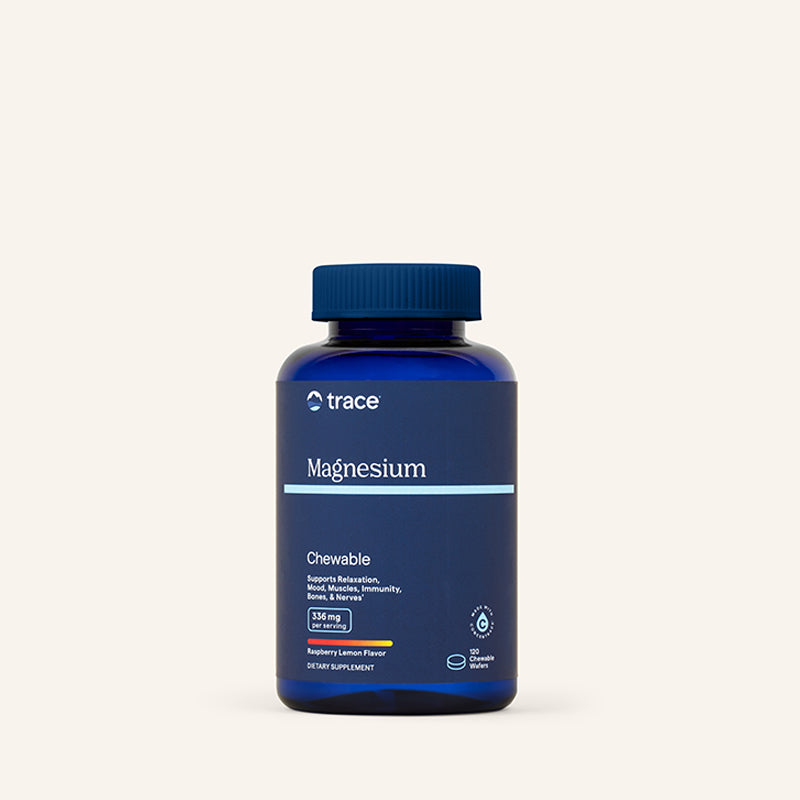


What Magnesium Does In Your Body
The full range of Magnesium Benefits spans hundreds of biological roles. Magnesium functions as a cofactor in more than 300 enzymatic reactions throughout the body. These reactions support essential processes, including protein synthesis, muscle and nerve function, and many more. Many individuals searching for the best magnesium supplement, such as our magnesium gummies, begin by understanding these foundational roles.
Cellular Energy Production
The mineral plays a direct role in cellular energy production. Magnesium binds to ATP, the primary energy currency of cells, to create the biologically active form required for most metabolic processes. Without adequate magnesium, these energy-producing reactions slow down.
Bone Structure And Mineral Balance
Magnesium also supports the structural development of bone. Approximately 60% of the body's magnesium stores are in bone tissue, where it contributes to bone density and strength. The remaining magnesium circulates in soft tissues and blood, where it supports calcium movement across cell membranes.
Nervous System And Muscle Function
Magnesium influences neurotransmitter release and receptor function in the nervous system. This support affects the muscle contraction and relaxation cycles, including smooth muscle in blood vessels and skeletal muscle used for movement.
Magnesium Must Be Obtained From Daily Intake
Your body cannot produce magnesium internally. All magnesium must come from external sources, such as food, water, or supplements. This makes consistent daily intake an important consideration for maintaining adequate mineral levels.

Why Multiple Forms Of Magnesium Matter
Each form of magnesium behaves differently in the digestive system and serves different functions in the body. Single-form supplements provide one type of magnesium compound, which may support specific needs but not a comprehensive mineral balance. This is why some people choose a magnesium complex supplement rather than a single-form option.
Magnesium Citrate And Glycinate
Magnesium citrate, for example, combines magnesium with citric acid. This form absorbs relatively quickly and may support digestive regularity. Magnesium glycinate binds magnesium to the amino acid glycine, creating a chelated form that tends to be gentler on the digestive system and may support relaxation. Explore Magnesium Glycinate Benefits for a closer look at how this form supports sleep and calm. Understanding magnesium glycinate and citrate helps individuals choose the form that best aligns with their goals.
Magnesium Malate And Taurate
Magnesium malate pairs magnesium with malic acid, an organic compound involved in energy production. This form may be particularly supportive for individuals focused on physical performance and recovery. Magnesium taurate combines magnesium with the amino acid taurine, which plays roles in cardiovascular function and nerve transmission.
Benefits Of Multi Magnesium Supplements
A multi-magnesium supplement combines several of these forms in a single product. This approach provides broader support across multiple body systems rather than targeting a single function. It also acknowledges that individuals absorb different forms at varying rates based on their unique digestive chemistry. Many formulations use a triple magnesium complex approach to provide complementary forms together.
Full Spectrum Mineral Support
Full-spectrum mineral products from Trace Minerals incorporate naturally occurring ionic magnesium alongside other trace minerals. These formulations recognize that minerals work synergistically in the body rather than in isolation.
Modern Diets And Magnesium Gaps
Agricultural practices over the past century have significantly reduced the mineral content in food crops. Soil depletion from intensive farming, synthetic fertilizer use, and shortened crop rotation cycles have all contributed to lower magnesium levels in vegetables, grains, and fruits.
- Water Filtration Removes Natural Minerals: Water filtration and purification processes remove minerals along with contaminants. While these processes make water safer to drink, they also eliminate naturally occurring magnesium and other trace minerals that historically contributed to daily mineral intake.
- Food Processing Reduces Magnesium Content: Food processing strips minerals from many common products. Refined grains lose significant magnesium content during milling. Heat processing and preservation techniques can further reduce mineral availability in packaged foods.
- Modern Diets Often Contain Less Magnesium: Dietary patterns have shifted toward foods naturally lower in magnesium. Increased consumption of processed foods, refined carbohydrates, and foods grown in mineral-depleted soil means that even individuals eating adequate calories may not receive sufficient minerals.
- Lifestyle Factors Increase Magnesium Loss: Stress, certain medications, and alcohol consumption can increase magnesium excretion. This creates a situation where intake requirements rise at the same time that dietary sources provide less, widening the gap between needs and consumption.
Recognizing Magnesium Deficiency Signs is a useful starting point before supplementation offers a practical approach to address these dietary gaps. Many individuals, therefore, consider the best multi-magnesium supplement to help support consistent mineral intake alongside whole foods.
How Trace Minerals Work Together
Magnesium does not function in isolation. The mineral works alongside other trace minerals in complex biochemical pathways throughout the body. Calcium, zinc, potassium, and sodium all interact with magnesium to support cellular processes.
- Calcium & Magnesium Work In Balance: The calcium-magnesium relationship represents one of the most significant mineral interactions. These minerals work together to support muscle contraction and relaxation, nerve signaling, and bone formation. An imbalance in the calcium-to-magnesium ratio may affect multiple body systems.
- Zinc & Magnesium Support Immune & Protein Functions: Zinc and magnesium both support immune function and protein synthesis. They share some absorption pathways, which means adequate intake of both minerals supports more balanced utilization than focusing on either mineral alone.
- Potassium & Magnesium Support Fluid Balance: Potassium and magnesium work together to maintain proper fluid balance and support cardiovascular function. Magnesium supports potassium channels in cell membranes, and potassium deficiency may affect magnesium retention.
Full-spectrum mineral supplements from Trace Minerals provide these complementary minerals together rather than isolating individual nutrients. This approach reflects how minerals appear naturally in food and water sources and supports normal mineral interactions.
Multi-Magnesium vs. Single-Form Supplements
Single-form magnesium supplements contain one type of magnesium compound. These products work well for individuals with specific, targeted needs or those who have identified a particular form that works effectively for their body.
A multi-magnesium supplement combines several magnesium forms in a single product. This combination approach provides broader support and multiple absorption pathways. It may be particularly useful for individuals who are unsure which specific form best serves their needs.
- Cost Differences Between Single & Multi-Form Products: Costs differ between single- and multi-form products. Single-form supplements often cost less per serving but provide narrower support. Multi-magnesium products typically cost more but offer more comprehensive mineral delivery.
- Simpler Dosing With Multi-Magnesium Supplements: Dosing simplicity represents another consideration. Taking multiple single-form supplements to achieve broad magnesium support requires managing several products. A multi-magnesium supplement combines these forms into a single daily serving.
- Full-Spectrum Mineral Support Includes Many Trace Minerals: Full-spectrum mineral support extends beyond multiple magnesium forms to include the complete range of trace minerals the body requires. These products recognize that mineral balance involves dozens of elements working together.
- Full-Spectrum Minerals Reflect Natural Ratios: The term full-spectrum indicates that the product contains minerals in naturally occurring ratios rather than synthetic combinations formulated in a laboratory. This natural balance may support better mineral utilization by providing minerals in proportions similar to those found in whole food sources.
- Full-Spectrum Products Simplify Mineral Supplementation: Full-spectrum products also reduce the need to take multiple separate supplements for different minerals. One product delivers broad mineral support that complements dietary intake.
- Minerals Work Together In Biochemical Processes: Minerals rarely work independently. Most biochemical processes that require magnesium also depend on other minerals to proceed efficiently. Providing these complementary minerals together may enhance overall mineral function.
- Multiple Minerals Support Enzyme Activity: Enzyme systems often require several mineral cofactors. An enzyme that depends on magnesium may also require zinc or manganese to function effectively. Supplying these cofactors together supports more efficient enzymatic activity.
- Complementary Minerals Support Transport Mechanisms: Mineral transporters in the digestive system and cell membranes may function more effectively when multiple minerals are present. Some transport proteins carry several minerals, and complementary minerals may support more efficient cellular transport.
- Minerals Contribute To Antioxidant Defense Systems: Antioxidant systems in the body rely on several minerals, including selenium, zinc, copper, and manganese, as well as magnesium. Supporting these systems requires adequate intake of all involved minerals rather than focusing on individual nutrients.
Building A Consistent Magnesium Routine
If you've wondered whether you can take magnesium every day, consistency matters more than perfection when it comes to mineral supplementation. Daily intake supports steady mineral levels rather than the peaks and valleys that occur with sporadic supplementation.
- Start With A Simple Daily Serving Routine: Take a single serving of your chosen multi-magnesium supplement at the same time each day. This simple routine helps establish the habit and makes it easier to track your daily intake.
- Pair Magnesium Intake With Existing Daily Habits: Pairing supplement intake with an existing daily habit creates a natural reminder system. Taking magnesium with breakfast, during your afternoon routine, or before bed links supplementation to an established pattern you already follow.
Timing And Daily Integration
The best time to take a multi-magnesium supplement depends on your individual routine and the specific product formulation. Some forms of magnesium may support relaxation and work well as part of an evening routine. Other forms provide energy support and integrate better into morning habits.
- Taking Magnesium With Food May Support Absorption: Taking magnesium with food may support better absorption and reduce the likelihood of digestive discomfort. The presence of food in the stomach triggers digestive processes that help break down and absorb minerals.
- Split Magnesium Intake For More Consistent Levels: Splitting your daily magnesium dose between morning and evening helps maintain more consistent levels throughout the day. This approach maintains more consistent mineral levels rather than a single peak followed by a gradual decline.
- Consider Interactions With Other Supplements And Medications: Consider your other supplements and medications when timing magnesium intake. Some medications interact with magnesium, and spacing intake by several hours helps prevent these interactions. Calcium supplements taken simultaneously with magnesium may compete for absorption, so separating them supports better uptake.
Choosing Your Format
Multi-magnesium supplements come in several formats.
- Liquid Drops & Concentrates Offer Flexible Dosing: Drops and liquid concentrates mix into water or other beverages, providing flexible dosing and rapid mixing into daily hydration. Powders work similarly and may include additional flavoring for improved taste.
- Capsules & Tablets Provide Convenience & Precision: Capsules and tablets offer convenience and precise dosing. These formats travel well and integrate easily into routines that involve taking multiple supplements together. They eliminate taste considerations for individuals sensitive to mineral flavor.
- Trace Minerals Offers Multiple Magnesium Formats: Our Magnesium Collection from Trace offers drops, powders, tablets, and capsules to match different preferences. Each format provides the same full spectrum of ionic minerals, delivered in different ways. Choose the format that best fits your existing routine and preferences.
Disclaimer: This article is for informational and educational purposes only and should not be taken as medical advice. Nutritional needs and supplement use can vary widely from person to person. Always consult with a qualified healthcare professional before making changes to your diet, lifestyle, or supplement routine, especially if you have an existing health condition or take medications. Working with your provider helps ensure safe and effective choices for your individual needs.
Frequently Asked Questions
Magnesium supports over 300 enzymatic reactions, including energy production, protein synthesis, muscle and nerve function, and bone structure. About 60% of magnesium is stored in bones, with the remaining 40% circulating in tissues.
Different magnesium forms support different functions and absorption pathways. Combining forms such as citrate, glycinate, malate, and taurate provides broad support across digestion, relaxation, energy metabolism, and cardiovascular function.
Ionic minerals are pre-dissolved and electrically charged, requiring less digestive breakdown before absorption. Their small particle size allows easier passage across cell membranes, supporting mineral uptake similar to that of naturally occurring minerals in body fluids.
Modern diets may lack magnesium due to soil depletion, food processing, and mineral removal through water filtration. Processed foods and lifestyle factors such as stress, alcohol, and certain medications can further increase magnesium loss.
Single-form magnesium supplements contain one compound for targeted support. Multi-magnesium supplements combine several forms to support multiple body systems and provide broader absorption pathways in a single daily serving.
Magnesium works with minerals such as calcium, zinc, and potassium to support muscle function, immune activity, and fluid balance. Many enzyme systems require multiple minerals working together to support efficient biochemical processes.


