


Magnesium Oil
Your muscles ache after a long day, your sleep is restless, and no amount of stretching seems to help. What if the missing piece is a mineral your skin can absorb directly? Magnesium deficiency affects nearly half of all Americans, and most people never connect the dots between low magnesium and the tension, fatigue, and poor recovery they feel every single day.
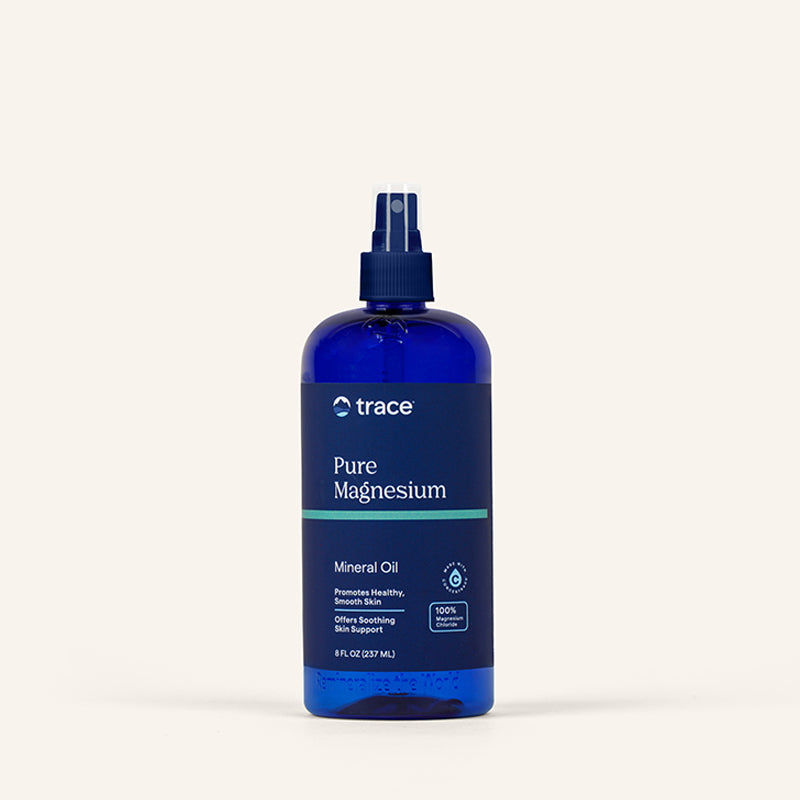
What Is Magnesium Oil And How Is It Made
Magnesium oil is not an oil; it is a highly concentrated solution of magnesium chloride and water. Applied topically, it leaves a slick feeling on the skin, which is where the “oil” term comes from. This form of magnesium is valued for its potential to support daily magnesium intake and complement other magnesium sources.
How Magnesium Oil Is Made
The process of making magnesium oil is straightforward:
- Natural brines from salt lakes or ancient seabeds are harvested for their high mineral content, particularly magnesium chloride.
- These brines are filtered to remove impurities and then concentrated, either through evaporation or a refined extraction process.
This topical solution draws on centuries-old mineral-harvesting traditions, brought into modern use to help restore mineral balance. The source of the magnesium chloride and the absence of unnecessary additives are both essential factors that contribute to the quality of the final product. Explore our ionic liquid magnesium to see how we apply these standards.
Magnesium Oil And Skin Absorption: What To Know
Magnesium oil spray has gained attention for its convenience; simply spray or rub it onto the skin as part of a daily routine. But what actually happens when magnesium is applied topically, and how does the body respond?
How Magnesium Oil Works On The Skin
- Magnesium oil is technically a solution of magnesium chloride and other trace minerals in seawater, giving it an oily texture without actual oil content.
- When sprayed on the skin, magnesium ions interact with the uppermost layers of the epidermis.
- The goal: support magnesium levels in the body by delivering minerals through a route other than digestion.
The Science Behind Topical Absorption
- The skin acts as a partial barrier, but certain compounds, such as ions, can pass through in small amounts.
- Factors influencing skin absorption include individual skin sensitivity, the concentration of the magnesium solution, and the duration of contact.
- Research on transdermal magnesium is still developing, with some studies suggesting it may complement oral intake, though results are mixed and more evidence is needed for definitive conclusions.
Everyday Benefits Of A Magnesium Oil Routine
The magnesium oil benefits people most often experience include support for muscle and joint comfort, especially after exercise or daily activity. Some use it as part of evening routines to help with relaxation, applying it to areas like legs, arms, shoulders, or feet. Magnesium oil is also favored by those wanting a low-effort approach to daily mineral support, without swallowing capsules or mixing powders, though options like magnesium glycinate powder remain a popular complement for those who prefer oral intake.
Magnesium oil routines offer a direct and practical option for those seeking to support overall balance and long-term wellness, especially for individuals with high activity levels or modern lifestyles.

Common Ways To Apply Magnesium Oil
Magnesium oil is often used as a practical mineral support for everyday wellness routines. Its topical application offers a straightforward way to supplement magnesium intake, especially when dietary sources may be limited.
Here are some clear, science-informed ways people commonly use magnesium oil:
- Spray Directly Onto Skin: The most common approach is to spray magnesium oil onto clean, dry skin, focusing on areas such as the arms, legs, feet, or torso.
- Massage Into Muscles: Many choose to massage the oil into specific muscle groups after physical activity to support relaxation and promote a feeling of ease.
- Use Before Or After Exercise: Applying magnesium oil in these times may provide support for movement and overall comfort.
- Incorporate Into Bedtime Rituals: Applying magnesium oil before bed can be part of a wind-down routine, encouraging a sense of calm and balance.
- Add To Foot Soaks: A few sprays in a warm foot bath can offer localized support while providing a relaxing experience.
Some may notice a tingling sensation when first using magnesium oil. This is often reported as temporary and may lessen with continued use or by diluting the product with water. As with any new addition to a routine, starting with a small amount and observing your body’s response is a practical approach.
What To Expect When You First Use Magnesium Oil
Magnesium oil is simple in concept: a liquid blend of minerals, typically sprayed directly onto the skin. Like any new mineral-based routine, experiences can vary.
Here’s a grounded look at what you might notice:
- Sensation On Skin: Some people feel a tingling, warming, or even mildly itchy sensation where magnesium oil is applied, especially the first few times. This is common and often fades as your skin adjusts.
- Temporary Residue: Magnesium oil can leave a slight tackiness on the skin before it fully absorbs. Rinsing off after 20–30 minutes is an option for those who prefer a residue-free feel.
- Aroma: Pure magnesium oil usually has little to no scent, though mineral-rich solutions might carry a faint saline note.
- Gradual Adjustment: With regular use, skin typically adapts, and mild reactions often decrease. Dry or sensitive areas may benefit from moisturizing after application.
- Support For Daily Wellness: Users often apply magnesium oil as part of a daily routine, particularly after exercise, before sleep, or when seeking to support muscle comfort and balance.
As with any wellness tool, patience is key. Observation and consistency can help you find the right frequency, timing, and application areas for your needs.
Where To Apply Magnesium Oil On The Body
Magnesium oil is a versatile topical mineral solution designed to support everyday wellness. Applied directly to the skin, it allows for localized uptake of magnesium ions. Placement is key to complement body function and comfort.
Consider these practical application areas:
- Muscles: Massage into calves, thighs, shoulders, or the lower back after physical activity or long days, as these areas often demand more mineral support.
- Joints: Knees, elbows, and wrists may benefit from targeted magnesium oil application, especially during periods of frequent movement.
- Feet: Using magnesium oil on feet can be a practical part of a nightly routine. The feet have larger pores, so the absorption potential is high.
- Abdomen: Many people prefer to apply magnesium oil to the abdomen, which can promote a general sense of relaxation.
- Arms: Inner forearms or upper arms are accessible options; the skin here is often less sensitive, making them good starting points for new users.
Before widespread use, apply magnesium oil to a small patch of skin first. Some people experience tingling or mild irritation. This sensation is temporary for most, but adjusting the quantity or rinsing after 20-30 minutes can increase comfort. Regular use on clean, dry skin can help support long-term balance.
How Often Should You Use Magnesium Oil
Magnesium oil is commonly used as part of a daily wellness routine, but frequency depends on individual needs, lifestyle, and how your body responds.
- Many people choose to apply magnesium oil once a day, often after showers or before bedtime, allowing it time to absorb into the skin.
- Active individuals, athletes, or those under high stress may use it more frequently to support muscle comfort and natural relaxation.
- Some prefer to start slowly, applying a small amount several times a week and gauging their skin’s response before increasing frequency.
- Magnesium oil can occasionally cause tingling or mild irritation, especially if your body is unfamiliar with topical magnesium. Adjust use accordingly and apply to different areas if needed.
Consistency is key for mineral support. Integrating magnesium oil into your routine on most days of the week may provide ongoing support for everyday balance and well-being. Always listen to your body and consult with a healthcare professional if you have specific questions about frequency for your situation.
Choosing A High-quality Magnesium Oil
Selecting a magnesium oil begins with understanding what quality means in the context of minerals. Magnesium oil is, in fact, not an oil, but a concentrated solution of magnesium chloride in seawater. The quality and source of magnesium, as well as the purity of the final product, are important considerations for those seeking reliable daily support.
To identify the best magnesium oil, look for these characteristics:
- Sourced from clean, traceable environments such as ancient sea beds or salt lakes
- Transparent labeling, with details on magnesium concentration and source
- Absence of unnecessary additives, fillers, or synthetic fragrances
- Testing for heavy metals and contaminants, with third-party verification where possible
- Clear instructions for use and storage to help preserve mineral content
Purity and concentration both matter. A reputable magnesium oil should provide information on the amount of elemental magnesium per dose and confirm that its production methods do not compromise mineral integrity.
Consider your preferences for the application as well. Magnesium oil is typically applied by spraying or massaging it onto the skin. Texture and absorbency can vary between products, so a solution that feels comfortable and dries without residue is often preferable for daily routines.
Quality magnesium oil works to replenish minerals that may be diminished by processed diets, filtered water, or modern stress. Browse our magnesium supplement collection to find the right form for your routine. A careful selection process ensures confidence in what you're using to support hydration, movement, and a sense of wellness over time.
Disclaimer: This article is for informational and educational purposes only and should not be taken as medical advice. Nutritional needs and supplement use can vary widely from person to person. Always consult with a qualified healthcare professional before making changes to your diet, lifestyle, or supplement routine, especially if you have an existing health condition or take medications. Working with your provider helps ensure safe and effective choices for your individual needs.
Frequently Asked Questions
Magnesium oil supports a range of everyday body functions. It has the potential to help with relaxation, support muscles, and contribute to a balanced wellness routine. Its ease of topical application appeals to those seeking mineral support for movement, energy, and recovery.
Magnesium oil is applied directly to the skin, usually on arms, legs, or any desired area. After spraying or rubbing it on, some prefer to leave it on, while others rinse it off after 15-30 minutes if any residue is present. Start with a small area to gauge comfort and skin response.
Magnesium plays a role in muscle function and helps support muscle relaxation. Applying magnesium oil to sore or tense areas can provide targeted support, though individual results vary.
Magnesium supports relaxation and calm, which can be part of a healthy sleep routine. Applying magnesium oil in the evening may benefit those seeking support with winding down, but experiences vary from person to person.
Application needs vary. Many people use magnesium oil daily or several times a week as part of their wellness routine. Always observe how your skin and body respond, and adjust use as needed.
Most people tolerate magnesium oil well, especially when starting with a small amount. Some may feel a tingling or warming sensation; this is generally temporary. If irritation occurs, rinse with water and reduce frequency or concentration.


