


Magnesium Glycinate Capsules
Magnesium glycinate capsules are formulated differently from the oxide or citrate forms most people try first. Glycinate binds magnesium to an amino acid, making it gentler on digestion and easier for the body to absorb. For anyone chasing restful sleep, calm muscles, or steady energy, that distinction matters.
Filters
Filters
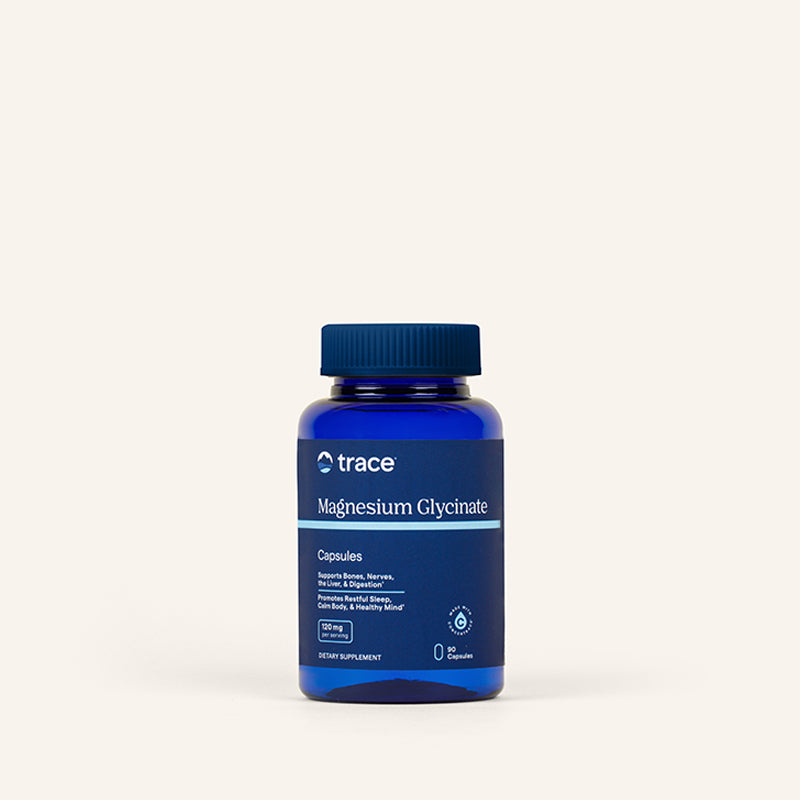
What Magnesium Glycinate Can Do For Your Body
Magnesium glycinate is a compound made by joining magnesium with glycine, an amino acid that helps the body absorb and utilize magnesium efficiently. Choosing this form can make a real difference in daily wellness, especially for those looking to maintain long-term balance and steady support for essential body functions.
Here are some ways magnesium glycinate may support everyday health:
- Encourages balanced energy production, which can help the body handle an active lifestyle and daily tasks
- Supports the process of muscle relaxation following physical activity or exertion
- Helps maintain steady nerve function and communication, key for focus, movement, and coordination
- Provides foundational support for bone strength, working alongside calcium and other minerals
- Promotes a sense of calm and equilibrium, which can complement routines for rest and recovery
- Supports enzyme systems that contribute to metabolism and nutrient processing
- May help maintain hydration and healthy fluid balance, in conjunction with other essential minerals
Magnesium cannot be produced by the body and is sometimes reduced in modern diets, making the form and absorption of daily magnesium especially important. Magnesium glycinate supplement capsules stand out for being gentle on the stomach and well-tolerated, making them a practical choice for everyday remineralization and wellness routines.

How Magnesium Glycinate Differs From Other Forms
Not all magnesium is the same. The difference often comes down to how magnesium is bound to other molecules, the form, which can influence how well the body recognizes, absorbs, and utilizes it each day. Magnesium glycinate is a chelated form, where magnesium is attached to the amino acid glycine.
Here’s what sets it apart from other types:
- Gentle On Digestion: Magnesium glycinate is known for being easier on the stomach compared to forms like magnesium oxide or citrate (Unlocking the Power of Magnesium, PMC, 2025). Many find it less likely to cause digestive upset or loose stools, making it suitable for daily, long-term support.
- Highly Bioavailable: Bioavailability is the extent to which a nutrient is absorbed and used by the body. Magnesium glycinate tends to offer strong bioavailability, thanks to the glycine component, which helps the mineral cross intestinal barriers.
- Glycine’s Added Role: Glycine is an amino acid that supports relaxation and overall wellness (Bannai & Kawai, PMC, 2012). When bound to magnesium, it not only supports absorption but also adds potential daily benefits for calmness and balance.
- Targeted, Everyday Support: Other forms of magnesium may support the body's needs, but they aren't always as readily absorbed. Magnesium chelate capsules, such as magnesium glycinate, are a preferred choice for those seeking practical, everyday balancing of mineral intake because of the stable bond formed between the mineral and the amino acid.
- Less Likely To Disrupt Balance: Because of its chelated structure, magnesium glycinate is less likely to interfere with the absorption of other minerals or cause imbalances that can sometimes result from higher doses of less absorbable forms.
Knowing these differences helps you select the right magnesium supplement for your daily routine, focusing on long-term support for your body's functions rather than quick fixes.
Capsules vs. Other Magnesium Formats
Choosing the right magnesium supplement depends on your preferences, lifestyle, and wellness goals. Magnesium is available in several formats, each with its own practical considerations.
- Capsules: Easy to incorporate into daily routines and offer precise dosing. They help avoid the taste associated with some powders or liquids and can make it easier to stay consistent. For many, magnesium bisglycinate capsules in particular offer a highly refined form of glycinate, noted for its smooth absorption and minimal digestive disruption.
- Tablets: Similar to capsules but often larger and sometimes tougher to swallow. Tablets may contain added binders or fillers to hold their shape.
- Magnesium glycinate powder: Powders can be mixed into drinks, which is a good option if you prefer to customize your intake.
- Magnesium glycinate liquid drops: Liquid forms offer flexibility; you can add them to beverages or food.
Bioavailability (how well the body can use the magnesium you take) is influenced by both the type of magnesium compound and its format. Glycinate in capsules is well-regarded for its gentle, efficient absorption and for causing fewer digestive interruptions than some other forms.
When deciding, consider convenience, serving precision, and how your body responds. Regular, consistent use matters more for daily mineral support than any one format.
How To Take Magnesium Glycinate Capsules
Magnesium glycinate capsules offer a practical approach for those looking to support their daily mineral intake. This form of magnesium is known for its gentle effect on the digestive system and its potential for bioavailability, making it a popular choice for everyday routine.
Here are some science-informed tips to help integrate magnesium glycinate capsules into your daily habits:
- Read The Label: Start with the suggested serving size listed on the packaging. A common starting point for many people is magnesium glycinate 400mg capsules, which aligns with general adult daily needs. Everyone's needs can vary, so a clear starting point is essential.
- Find Your Timing: Magnesium glycinate is often taken with food to support absorption and comfort. Some prefer taking it in the evening, as magnesium can help support a sense of relaxation.
- Consistency: For best results, take your capsules at the same time each day. Routine is key when supporting long-term mineral balance.
- Hydration Matters: Drink plenty of water throughout the day to assist your body’s natural mineral processes.
- Track Your Intake: If you already consume magnesium through multivitamins or diet (such as leafy greens and nuts), keep a mindful eye on your total intake.
- Consult When Needed: Individuals with specific health conditions or those taking medications should consult a healthcare professional before making changes to their supplement routine.
Remember, the goal with magnesium glycinate capsules is daily, balanced support, so patience and consistency are more important than seeking rapid results.
Safety And Considerations When Using Magnesium
Magnesium is a fundamental mineral for supporting everyday body functions, but as with any supplement, a balanced approach is best.
Here are key points to keep in mind when considering magnesium glycinate capsules as part of a daily wellness routine:
- Individual Needs Vary: Factors such as age, activity level, diet, and overall health can influence how much magnesium your body requires.
- Check Your Current Intake: Note magnesium intake from dietary sources, nuts, seeds, leafy greens, legumes, and whole grains, before supplementing.
- Possible Side Effects: For most, magnesium glycinate is well tolerated, but higher intakes can sometimes cause digestive symptoms such as loose stools, especially when combined with other magnesium forms.
- Medication Interactions: Magnesium can interact with certain medications. Consult a healthcare professional before starting any new supplement, especially if you take prescription drugs.
- Start With Moderation: Begin with the suggested serving size on the label and assess your response before adjusting as needed.
- Special Populations: Pregnant or breastfeeding individuals, those with kidney issues, or anyone with ongoing medical conditions should consult healthcare practitioners prior to adding magnesium supplements to their routine.
Tuning in to your body and working alongside a trusted health advisor can help you make informed choices about magnesium and its place in your overall wellness plan.
Pairing Magnesium With Other Essential Minerals
Magnesium often works best when teamed up with a full spectrum of other minerals. In the body, minerals rarely operate alone; they interact, balance, and help regulate each other.
Consider these practical reasons for combining the best magnesium glycinate capsules with other essential minerals in your daily regimen:
Balanced Mineral Support
Modern diets and water purification can reduce not only magnesium intake but also that of calcium, potassium, and other trace minerals. Pairing supplements gives wider nutrient coverage.
Synergy For Body Functions
Magnesium, calcium, and potassium all contribute to muscle and nerve function, hydration, and energy metabolism. Bringing these together may provide a more complete foundation for these essential activities.
Gut And Absorption Factors
Some minerals affect the absorption of others. Magnesium and calcium, for example, both use similar pathways in the digestive tract. Taking these minerals together, in proper balance, helps the body make the most of each nutrient.
A multimineral approach supports ongoing mineral balance and can help avoid possible imbalances from single-nutrient strategies. Combining magnesium glycinate capsules with other trace minerals offers a practical way to address dietary shortfalls and maximize everyday wellness.
Disclaimer: This article is for informational and educational purposes only and should not be taken as medical advice. Nutritional needs and supplement use can vary widely from person to person. Always consult with a qualified healthcare professional before making changes to your diet, lifestyle, or supplement routine, especially if you have an existing health condition or take medications. Working with your provider helps ensure safe and effective choices for your individual needs.
Sources:
- Fiorentini, D., et al. (2025). Unlocking the power of magnesium: A systematic review and meta-analysis regarding its role in oxidative stress and inflammation. Antioxidants, 14(6), 740. https://pmc.ncbi.nlm.nih.gov/articles/PMC12189353/
- Bannai, M., & Kawai, N. (2012). The effects of glycine on subjective daytime performance in partially sleep-restricted healthy volunteers. Frontiers in Neurology, 3, 61. https://pmc.ncbi.nlm.nih.gov/articles/PMC3328957/
Frequently Asked Questions
Magnesium glycinate is formed by binding magnesium with glycine, an amino acid. This form is well-recognized by the body and tends to be gentle on the digestive system, making it a practical choice for daily support. Trace Minerals provides magnesium in this form to promote efficient absorption and support body function.
Magnesium can support a sense of calm and relaxation by promoting balanced nerve and muscle function. Many choose this form because it may help the body manage stress as part of a wellness routine, but individual responses will vary.
For best results, take magnesium glycinate capsules with water, either with meals or as directed by your healthcare provider. Consistency matters, so aim to take them at the same time each day to support your intake of this essential mineral.
Recommended dosages can vary based on age, lifestyle, and overall health needs. Always refer to the product label for suggested use, or consult your healthcare provider to determine the amount that may best support your daily mineral needs.
Magnesium supports muscle relaxation and the body’s natural rhythms. Some people find that magnesium glycinate may help them unwind before bed; however, effects differ from person to person. Magnesium is not intended as a treatment for sleep disorders.
Most individuals tolerate magnesium glycinate well. In some cases, high doses of magnesium can lead to digestive upset, such as loose stools. Always follow the suggested use, and consult a healthcare professional if you have concerns or are taking other medications.


