


Magnesium Citrate Powder
Think about the last time you felt truly recovered - not just rested, but clear-headed, loose in your muscles, and steady in your energy from morning to evening. For many people, that feeling has become rare. And while there's no shortage of wellness products promising to fix it, the gap often comes down to one mineral most people aren't getting enough of: magnesium. Half of all Americans are deficient, and the body pays for it in ways that are easy to miss until they're hard to ignore.
Filters
Filters
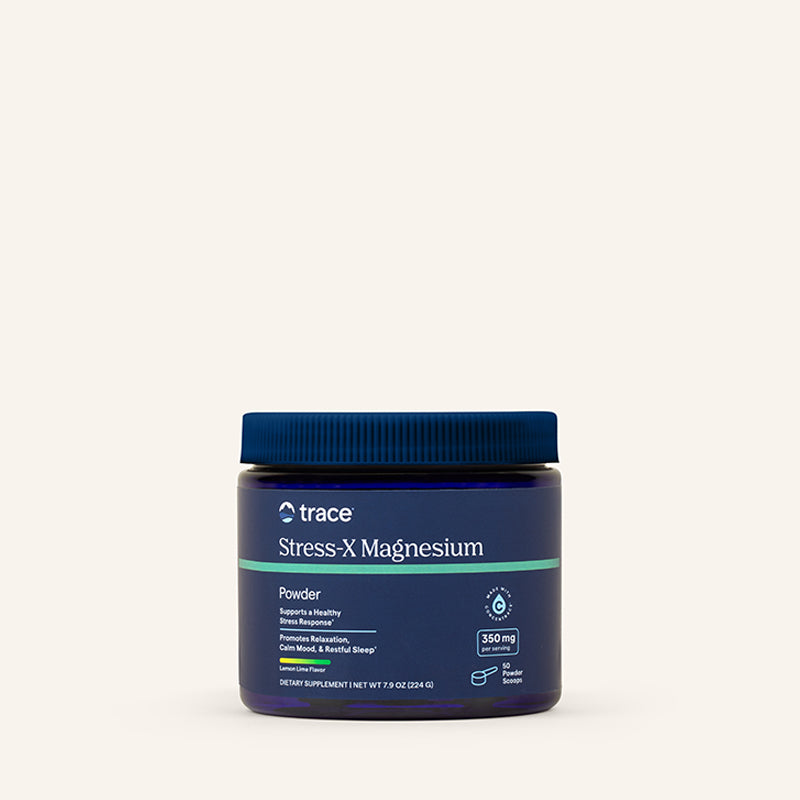

Benefits Of Magnesium Citrate For Everyday Support
Magnesium is a fundamental mineral that quietly shapes many daily experiences, but modern diets can leave intake short of what's needed. Adding a magnesium citrate powder supplement to your daily routine offers a convenient way to provide this mineral in an easily absorbed form.
Consider these everyday benefits that magnesium citrate may support:
- Muscle Comfort & Movement: Magnesium plays a role in normal muscle function and relaxation. An optimal intake helps support ease of movement, which is important for both regular activity and recovery.
- Nervous System Balance: Magnesium is involved in nerve signal transmission. This supports the body's ability to respond calmly to daily demands.
- Gentle Regularity: For many, magnesium citrate powder may help maintain regularity and ease of digestion, which can be particularly beneficial if daily rhythms feel off.
- Hydration & Mineral Balance: Proper hydration requires more than water. Magnesium contributes to the body’s mineral balance, assisting with fluid regulation and healthy muscle contraction, especially during periods of increased activity.
- Energy Production: Magnesium participates in the processes that convert food into cellular energy. Supporting this pathway helps with overall vitality throughout the day.
Used in balance with other minerals, magnesium citrate has the potential to play a steady, supporting role in everyday wellness routines, whether the focus is physical activity, recovery, or simply maintaining the rhythm of daily life.
How Magnesium Citrate Differs From Other Forms
Magnesium comes in several forms, each associated with a different compound. Magnesium citrate is a combination of magnesium and citric acid. This pairing influences how the body absorbs and uses magnesium and offers distinct characteristics compared to other options.
Crucial Differences Of Magnesium Citrate
Magnesium citrate is known for its relatively high water solubility, which supports efficient absorption in the digestive tract, and the citrate form is recognized for high bioavailability, which is valued when aiming to provide consistent support for daily magnesium needs. Some may find it easier on the stomach than certain oxide or sulfate forms, though individual tolerance can vary. Its availability in powder and liquid formats also makes it easy to mix with water or other beverages as part of a daily routine.
Comparison To Other Common Forms
When weighing magnesium citrate vs. magnesium glycinate powder, the distinction comes down to use case and tolerance. Magnesium citrate offers high solubility and practical digestive support, while magnesium glycinate capsules, paired with the amino acid glycine, are often noted for their calming qualities and gentle impact on digestion, though typically more expensive.
Here's how other forms compare:
- Magnesium Oxide: Contains a higher percentage of elemental magnesium by weight but is less readily absorbed, which may make it less efficient for meeting daily needs.
- Magnesium Sulfate: Known for its use in Epsom salts, magnesium sulfate supports relaxation through soaking, but is less commonly used as a daily supplement.
- Magnesium Chloride: Highly soluble and sometimes used topically; offers a different absorption and usage profile.
Selecting a magnesium form depends on individual needs and preferences, including tolerance, intended use, and ease of incorporating it into a routine. Magnesium citrate offers an approachable balance, making it a practical choice for those seeking daily support.

How The Body Uses Magnesium Citrate
Magnesium plays a fundamental role in supporting everyday life and wellness. Magnesium citrate is a form of magnesium combined with citric acid, which increases the mineral’s solubility in water. This makes it a practical choice for supporting how the body utilizes and balances magnesium on a daily basis.
Here’s how the body uses magnesium citrate:
- Supports Energy Production: Magnesium is critical for converting food into energy at the cellular level.
- Aids Muscle & Nerve Function: Magnesium helps support proper muscle contraction and relaxation. It also plays a role in the transmission of nerve impulses, which can impact reflexes and movement.
- Promotes Balanced Hydration: Magnesium is an electrolyte that contributes to overall fluid balance alongside sodium, potassium, and calcium.
- Helps Maintain Bone Structure: This mineral supports bone density and is involved in the structure of bones and teeth.
- Supports Enzyme Function: Magnesium assists hundreds of enzymatic processes, from protein synthesis to maintaining steady heartbeat rhythms.
The citrate form offers increased solubility and bioavailability over some other forms, which may help with efficient absorption in the digestive tract. Many adults find this form fits well into daily routines, whether in powder or other supplement formats, especially when focusing on long-term balance rather than rapid changes.
Who May Consider Magnesium Citrate Powder
Modern routines and dietary shifts can make mineral intake less predictable than ever. Magnesium citrate powder has the potential to support everyday well-being for:
- Individuals With Consistently Active Lifestyles: Movement, exercise, and physical activity increase magnesium demand.
- Adults Navigating Busy Schedules & Stress: Magnesium supports relaxation and healthy muscle function.
- Those Focused On Hydration: Magnesium, as an electrolyte, works with other electrolytes such as sodium and potassium to support fluid balance.
- People Mindful Of Digestive Regularity: This form of magnesium is known for its gentle support of normal digestion.
- Aging Adults: As years go by, natural magnesium stores can decrease, making daily intake more relevant.
- Individuals Who Eat Mostly Processed Foods: Modern processing often reduces the magnesium content of everyday meals.
- Anyone Seeking To Promote Balanced Energy Production: Magnesium participates in several energy-supporting processes in the body.
Magnesium is required for hundreds of body functions, but the body cannot create it. Adding magnesium citrate powder to daily routines can be a practical way to help bridge nutritional gaps and promote ongoing wellness. Those who prefer a chewable option may also find magnesium gummies a convenient alternative.
When To Take Magnesium Citrate
Timing matters when it comes to magnesium citrate powder. The best time depends on individual goals, routines, and how the body responds.
Here are a few key considerations:
- With Or Without Food: Magnesium citrate can be taken with meals or on an empty stomach. Some people find it gentler on the digestive system if taken with food, while others prefer the convenience of mixing it into water or a smoothie between meals.
- Before Bed: Much like a calm magnesium citrate powder taken as part of a wind-down ritual, magnesium has the potential to support relaxation and muscle health. Taking it in the evening may work well if supporting nighttime routines or helping wind down for sleep.
- After Physical Activity: Active adults often use magnesium to support muscle relaxation and recovery. Timing a serving after exercise, when the body needs replenishment, can be practical.
- Daily Consistency: Regular, daily intake supports steady mineral levels over time. Choosing a time that can be maintained consistently, whether morning or evening, is often more important than the exact hour of the day.
As everybody’s needs are unique, it may help to adjust timing based on personal schedule and comfort. Consulting a healthcare provider can provide additional guidance tailored to specific needs and goals.
How To Mix And Prepare Magnesium Citrate Powder
Magnesium citrate powder is straightforward to use, a quality that makes it a regular part of many daily wellness routines. Getting the most from this mineral supplement starts with understanding how to measure, mix, and enjoy it.
- Start With The Right Amount: Check the serving size on your product label. Everyone’s needs differ, so it’s wise to start with a small amount, especially if you’re new to magnesium citrate.
- Add To Water Or Juice: Measure your dose and stir it into a glass of water or juice. The powder is water-soluble, so with a bit of mixing, it dissolves fully. A few gentle stirs are usually all it takes.
- Taste & Timing: Magnesium citrate powder has a mild, tart flavor. Some people prefer to add it to a flavorful juice to match their taste preferences. Consider taking magnesium with food, especially if you’re sensitive to supplements on an empty stomach. Timing can vary; some take it in the evening as part of a calming routine.
- Stay Consistent: Make it a daily habit for ongoing support. Regularity helps maintain steady mineral intake, which is important for mineral-dependent body functions.
- Drink Plenty Of Fluids: Staying hydrated when taking minerals supports balance and absorption throughout the day.
Taking these steps helps create a simple, effective mineral routine that fits into everyday life.
How Much Magnesium Citrate Should You Take
Understanding magnesium citrate powder dosage is an important step toward getting consistent, reliable support from this mineral. The right amount can vary from person to person, depending on factors like age, diet, activity level, and individual nutrient needs.
Magnesium recommendations are typically measured in milligrams (mg) of elemental magnesium. While different forms of magnesium deliver different amounts of elemental magnesium per gram, magnesium citrate is recognized for its absorbability, making it a practical choice for daily support.
General Adult Guidelines
- Adult men: about 400–420 mg of elemental magnesium per day
- Adult women: about 310–320 mg per day (higher needs during pregnancy and breastfeeding)
Always check the product label for the amount of elemental magnesium per serving, as this can differ between products and formats. Adjust serving size to align with your total daily intake from both supplements and diet.
Practical Tips
Start with a lower serving and increase gradually as needed, giving your body time to adjust. Taking it with water or a meal tends to support both tolerance and absorption, and it's worth paying attention to how your body responds along the way, particularly with digestion, since high amounts may have a laxative effect.
For those with health conditions or taking medication, consulting a healthcare provider can help clarify the best dosage for individual needs. The aim is consistent, daily mineral support that fits your lifestyle.
Why Trace Minerals Matter Alongside Magnesium
Magnesium plays an essential role in daily movement, hydration, and energy, but it’s most effective when supported by a balanced array of trace minerals. While magnesium citrate powder can help provide this key mineral, the body relies on a spectrum of trace minerals to support interconnected body functions.
Trace minerals, even in minute amounts, have the potential to:
- Participate in enzyme activity and metabolic reactions
- Support hydration by helping regulate fluid balance
- Work in tandem with major minerals (like magnesium, calcium, and potassium) for nerve signaling and muscle movement
- Provide cofactors for antioxidant systems
- Support bone and connective tissue health indirectly through metabolic participation
Modern food production and water treatment often remove trace minerals naturally present in soil and water. A focus on magnesium alone may deliver only part of the nourishment the body seeks. Including trace minerals alongside magnesium helps create a more complete, balanced mineral profile that supports the body's performance day after day.
Disclaimer: This article is for informational and educational purposes only and should not be taken as medical advice. Nutritional needs and supplement use can vary widely from person to person. Always consult with a qualified healthcare professional before making changes to your diet, lifestyle, or supplement routine, especially if you have an existing health condition or take medications. Working with your provider helps ensure safe and effective choices for your individual needs.
Frequently Asked Questions
Magnesium citrate powder is generally considered safe for most adults when used as directed. At Trace Minerals, we source minerals with a focus on purity, sustainability, and quality. Individuals with kidney issues or those taking certain medications should consult a healthcare provider before adding any new supplement, including magnesium citrate powder.
Dosage recommendations for magnesium citrate powder can vary based on age, diet, and specific wellness goals. It’s important to read and follow the serving instructions on the product label. Many adults start with 200-400 mg of magnesium from all sources daily, but individual needs may differ. Consulting with a healthcare provider can help determine a suitable intake.
Magnesium citrate powder is usually dissolved in water or another beverage. This flexibility makes it easy to incorporate into daily routines. To use, measure the suggested serving size, stir it into your drink, and consume. At Trace Minerals, we emphasize forms and serving options designed for everyday use.
Magnesium is an essential mineral for normal muscle contraction and relaxation. Supplementing with magnesium citrate powder can support proper muscle function, especially important for those who are active or want to maintain movement as they age. Adequate magnesium helps the body handle daily physical activity and recover effectively.
Magnesium plays a supportive role in normal nervous system function and may help promote a sense of calm and overall balance. Research suggests that maintaining proper mineral levels can support everyday stress management, but individual experiences can vary. Magnesium citrate powder may be part of a broader approach to daily wellness.
Magnesium citrate powder can generally be taken alongside other supplements, but it's worth being mindful of total daily mineral intake from all sources. Some minerals, such as calcium, zinc, and iron, may compete for absorption when taken in high amounts at the same time. To support balanced intake, consider spacing out supplements throughout the day. As always, those taking medications or managing a health condition should consult a healthcare provider before combining supplements to ensure the approach is appropriate for their individual needs.


