


Keto Supplements
Starting a ketogenic diet can feel exciting at first. Then the questions appear. Why does energy dip in the first week? Why do headaches or muscle fatigue show up when carbs disappear? Many people searching for keto supplements are really looking for support as their body adapts to a completely different fuel system.

Understanding Ketosis And Why Supplements Matter
Ketosis is a metabolic state in which the body transitions from burning carbohydrates to utilizing fat as its primary energy source. For many adults adopting a low-carb or ketogenic diet, the shift to ketosis can bring noticeable benefits, like steady energy and focus, but also presents unique nutritional challenges. This is why many people explore keto diet supplements to help maintain balance during this metabolic transition.
One of the key considerations in ketosis is maintaining electrolyte and mineral balance. As carbohydrate intake drops, the body excretes more water and, along with it, critical minerals such as sodium, potassium, and magnesium. Without adequate replenishment, you may experience symptoms often referred to as the "keto flu,” which involves subtle electrolyte deficits that may not show up in blood testing. Our breakdown of what happens when you're low on electrolytes covers the full picture and highlights the essential role of minerals and electrolytes in supporting hydration, nerve signaling, and muscle function.
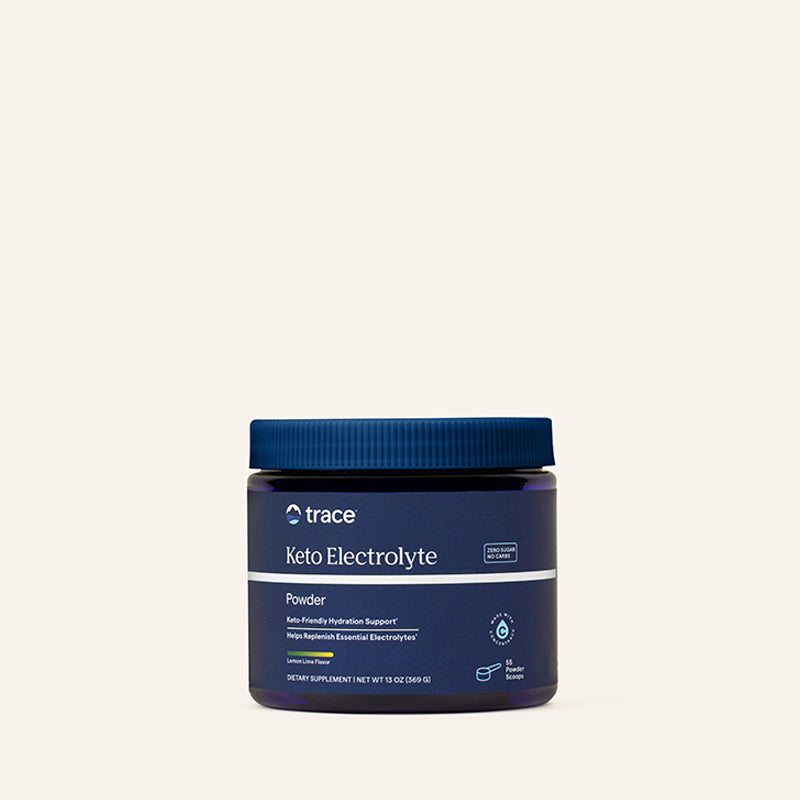
Keto supplements, such as our Keto Electrolyte Powder, bridge these gaps and support the body’s adaptation.
They can help:
- Replenish electrolytes lost through increased excretion.
- Support energy metabolism and counter sluggishness.
- Promote hydration, especially as water needs rise in ketosis.
- Maintain muscle and nerve function as activity levels fluctuate.
The effectiveness of keto supplements often comes down to quality, form, and the range of minerals they provide. Ionic minerals, which are readily absorbed and used by the body, are particularly useful for those seeking efficient, everyday support while following a ketogenic lifestyle. Many formulations often highlighted among the best keto supplements prioritize balanced mineral intake to support consistency and daily wellness.

Common Nutrient Gaps On A Ketogenic Diet
The ketogenic diet restructures daily nutrition by emphasizing fats and minimizing carbohydrates. While this approach offers certain benefits, it can also introduce specific nutrient gaps, especially in minerals that play key roles in daily wellness and performance. This is one reason many individuals incorporate targeted nutrition strategies, including electrolyte supplements keto users often rely on to maintain hydration and mineral balance.
Here are the most common nutrients where deficiencies may arise:
- Magnesium: Often depleted due to restricted fruit, bean, and whole grain intake, magnesium supports muscle function, nerve health, and energy metabolism. The shift to a ketogenic diet accelerates mineral loss through increased water excretion, making already common magnesium shortfalls more likely to affect energy and recovery.
- Sodium: A low-carb diet tends to lower insulin levels, which in turn can prompt the kidneys to excrete more sodium. Learning how to replenish electrolytes effectively makes sodium replenishment essential to maintain hydration and electrolyte balance.
- Potassium: Many carbohydrate-rich foods, like potatoes and bananas, are natural potassium sources. On keto, potassium intake may drop, affecting nerve function, hydration, and muscle control.
- Calcium: Dairy intake often decreases or changes on keto, possibly leading to a lower calcium supply for bone strength and cardiovascular support.
- Zinc & Selenium: Changing up protein sources and limiting grains can reduce exposure to trace elements vital for immune health, metabolism, and antioxidant support.
- B Vitamins: While some B vitamins are found in fatty fish and meats, others, such as folate, are more abundant in beans and grains, which are limited on keto.
These gaps can affect energy, hydration, cognitive clarity, and overall well-being. Identifying and addressing them is a crucial step in building a sustainable, balanced ketogenic lifestyle.
Reading Labels: Sweeteners, Additives, And Quality Standards
Selecting keto supplements isn’t only about the macronutrient profile; ingredient quality, purity, and transparency matter just as much.
Labels can be filled with unfamiliar terms, so here’s what to watch for:
- Sweeteners: Some keto supplements use artificial or non-nutritive sweeteners to maintain a low carbohydrate content. While options like stevia, monk fruit, and erythritol are generally considered keto-friendly, other sweeteners may cause digestive discomfort or blood sugar fluctuations in sensitive individuals. Read labels carefully to suit your individual needs and tolerance.
- Additives & Fillers: Common additives include silicon dioxide (anti-caking agent), cellulose (flow agent), or maltodextrin (filler). While some are safe in small amounts, others, such as maltodextrin, can increase net carbs, potentially knocking you out of ketosis. Minimal ingredient lists are generally a sign of a cleaner supplement.
- Artificial Colors & Flavors: Some supplements contain synthetic colors and flavors to enhance appearance or mask tastes. For those aiming for clean, whole-food support, check for products formulated without artificial enhancements.
- Quality Standards: Look for certifications such as NSF, USP, or Informed-Sport, which reflect adherence to quality manufacturing processes. Verified third-party testing means products have been independently assessed for label accuracy and contaminants.
- Serving Size & Daily Limits: Keto supplements can vary widely in serving size and concentration. Pay attention to the serving recommendations and be cautious with products that exceed daily value percentages, especially with minerals and electrolytes.
Practical Tip
Always cross-reference the Nutrition Facts or Supplement Facts panel with the ingredients list to ensure alignment with your nutritional goals and preferences. This step supports consistent, reliable daily use and helps you avoid unintended additives or hidden carbohydrates.
Workout Recovery: Timing Supplements For Performance
Proper workout recovery is shaped by what you put into your body before, during, and after exercise. Timing your nutritional support can help promote hydration, muscle function, and consistency in your routine.
Here’s a grounded approach to integrating keto supplements, such as our Keto Electrolyte Tablets and Drops, for post-exercise recovery and performance:
- Before Exercise: Supplementing with key electrolytes like sodium, potassium, magnesium, and calcium can help support fluid balance and athletic performance, especially during keto adaptation when the body loses more minerals.
- During Exercise: Maintaining hydration and electrolyte intake is crucial for endurance. Consider sipping a well-balanced multimineral solution like our hydration drops, especially for longer or intense training sessions. Many people choose keto electrolyte supplements during workouts to help maintain hydration and support nerve signaling.
- After Exercise: The post-workout phase is when muscles and cells are most receptive to replenishment. Adding keto-friendly multimineral supplements can help restore electrolyte balance, support hydration, and promote muscle relaxation.
Consistent intake, guided by activity level and individual needs, lays the foundation for recovery. Hydration and mineral support are most effective when spread throughout your day, not just concentrated around workouts. By timing keto supplements thoughtfully, you can help support your performance and recovery with every session.
Tracking Ketosis: Testing Methods And Biomarkers
Understanding how the body enters and maintains ketosis is key for anyone following a ketogenic lifestyle. Measuring progress can help support consistency and informed decision-making.
There are several practical methods for tracking ketosis, each with its own advantages and considerations.
Urine Ketone Strips
- How They Work: Measure excess ketones (acetoacetate) excreted in urine.
- Use: Simple, noninvasive, and affordable.
- Considerations: Most effective in the early stages of ketosis. Over time, the body becomes more efficient at utilizing ketones, leading to lower readings even if ketosis is maintained.
Blood Ketone Meters
- How They Work: Detect beta-hydroxybutyrate (BHB), the primary ketone body in the blood.
- Use: Reliable, direct measurement; favored for accuracy.
- Considerations: Requires finger-prick samples and test strips, which can be more expensive over time.
Breath Ketone Analyzers
- How They Work: Estimate levels of acetone, another ketone body, in exhaled breath.
- Use: Reusable devices offer a noninvasive alternative.
- Considerations: Readings can be variable; best used for spotting trends rather than precise measurement.
Key Biomarkers For Ketosis
- Blood BHB Level: Typically, nutritional ketosis is reflected by BHB levels of 0.5–3.0 mmol/L.
- Urine Acetoacetate: Positive readings suggest the presence of ketosis, though values tend to fluctuate.
- Breath Acetone: Rising numbers indicate increased ketone utilization.
Tracking these markers can help ensure that nutritional choices and lifestyle habits support a state of ketosis. Individual responses will vary, so consistency, rather than any single reading, remains most important. Along with macronutrient intake, hydration and mineral balance also play an ongoing role in supporting ketogenic goals.
Safety, Dosage, And Individual Considerations
Keto supplements, like any nutritional aid, are most effective when used with a clear understanding of your body’s needs and your specific health goals. While many supplements designed for ketogenic lifestyles focus on fats or exogenous ketones, mineral-forward formulations prioritize micronutrient balance. Some products marketed as the best keto supplements for weight loss emphasize metabolic support, but maintaining mineral balance remains an important component of overall wellness on keto.
Safety And Bioavailability
- Choosing highly bioavailable forms, such as ionic minerals, can help support absorption and utilization.
- Supplements should not exceed recommended daily allowances unless advised by a healthcare provider.
- Pay attention to quality and sourcing. Look for recognizable ingredient lists, clear labeling, and traceable sources.
Typical Dosage Guidance
- Mineral needs vary, but most adults benefit from a consistent, measured approach.
- For electrolytes, sodium, potassium, magnesium, and calcium, daily intake should align with recommended guidelines. See our guide to optimal daily electrolyte levels — accounting for increased urination common to low-carb diets.
- Read all supplement labels carefully and adjust dosage based on factors such as activity level, environment, sweating, and dietary intake.
Listening To Your Body
- Monitor for symptoms that may signal imbalances, such as unusual fatigue, muscle cramps, or changes in sleep or mood.
- Adjust supplementation gradually, noting energy, hydration, and overall comfort.
- Consult a healthcare provider when considering new supplements, especially if you’re managing existing health conditions or taking medication.
Maintaining balance rather than excess supports daily wellness while minimizing the risk of over-supplementation or interactions. Consistency and attention to your own response are key as you integrate keto supplements into your daily routine.
Multiminerals vs. Multivitamins: Finding The Right Balance
Choosing between multiminerals and multivitamins, or knowing how to incorporate both, starts with understanding their unique roles in supporting everyday health, especially for those following a keto lifestyle.
How Multiminerals Support Daily Mineral Balance
Multiminerals focus on restoring and maintaining key minerals that may be depleted through modern diets, intense activity, or filtered water. Minerals like magnesium, potassium, and sodium support hydration, muscle function, nerve signaling, and energy metabolism. Trace minerals, elements your body needs in small amounts, contribute to enzyme function, bone strength, and immune response.
The Purpose Of Multivitamins In Daily Nutrition
Multivitamins, on the other hand, combine essential vitamins (such as A, B-complex, C, D, and E) with some minerals to help fill general nutrient gaps. Vitamins work alongside minerals to support processes such as energy production, immune function, and the maintenance of healthy skin and eyes.
Why Mineral Intake Matters On A Keto Diet
When it comes to keto, the body shifts its metabolism, which can increase the need for specific minerals. Restricting carbs tends to mean less water retention and accelerated mineral loss. Ensuring a steady intake of core minerals rather than just broad-spectrum vitamins is particularly important for supporting muscle contractions, managing fatigue, and maintaining balanced hydration over time.
Key points To Consider:
- Minerals First: On keto, focus on consistent intake of key minerals, especially magnesium, sodium, potassium, and trace elements. Electrolyte balance is foundational to hydration, movement, and recovery.
- Balance Matters: Multiminerals provide a broad foundation for daily health, while multivitamins help cover general nutritional bases; many find a combination approach most effective.
- Forms & Absorption: The body generally absorbs minerals more efficiently in ionic forms, which support real-time biological processes.
Being intentional with multimineral and multivitamin use helps maintain stamina, cognitive clarity, and general wellness, critical for active lifestyles and those adapting to keto. Finding the right balance doesn’t mean choosing one over the other, but rather understanding the distinct benefits and integrating them for comprehensive, everyday support.
Frequently Asked Questions
Keto supplements are nutritional products designed to support people following a ketogenic diet, a low-carb, high-fat eating approach. These supplements often include exogenous ketones, MCT oils, and electrolyte blends to help support energy, hydration, and daily balance.
MCT oils, sourced from coconut or palm, contain medium-chain fats that the body rapidly converts to ketones. That makes them a quick source of fuel, especially helpful for those adapting to a keto diet or needing extra energy without excess carbs.
Electrolyte supplements can be important when following a ketogenic diet, since lower carbohydrate intake often leads to increased loss of sodium, potassium, and magnesium. Supplementing helps support hydration, muscle function, nerve health, and overall well-being.
Many people experience “keto flu” when starting a low-carb diet, due to shifts in fluid and mineral balance. Mineral-forward supplements with key electrolytes, such as magnesium, sodium, and potassium, can help support your body during this adaptation phase.
Follow the serving suggestions on each supplement label. Pay attention to balance, minerals, and electrolytes work best when taken consistently and as part of a daily routine. Consider supplement forms (drops, capsules, powder, or tablets) that fit your lifestyle and dietary preferences.
When used as directed and sourced from reputable brands, most keto supplements are well-tolerated. Still, it’s always best to consult a healthcare professional, especially if you have underlying health conditions or take prescription medications.


