


Joint Health Supplements
With our flagship product, ConcenTrace®, we've been at the forefront of innovation in the mineral supplement industry for 50 years. Our dedication stems from our understanding that a staggering 99% of people are mineral insufficient — a condition that significantly impacts overall health, including the health of our joints.
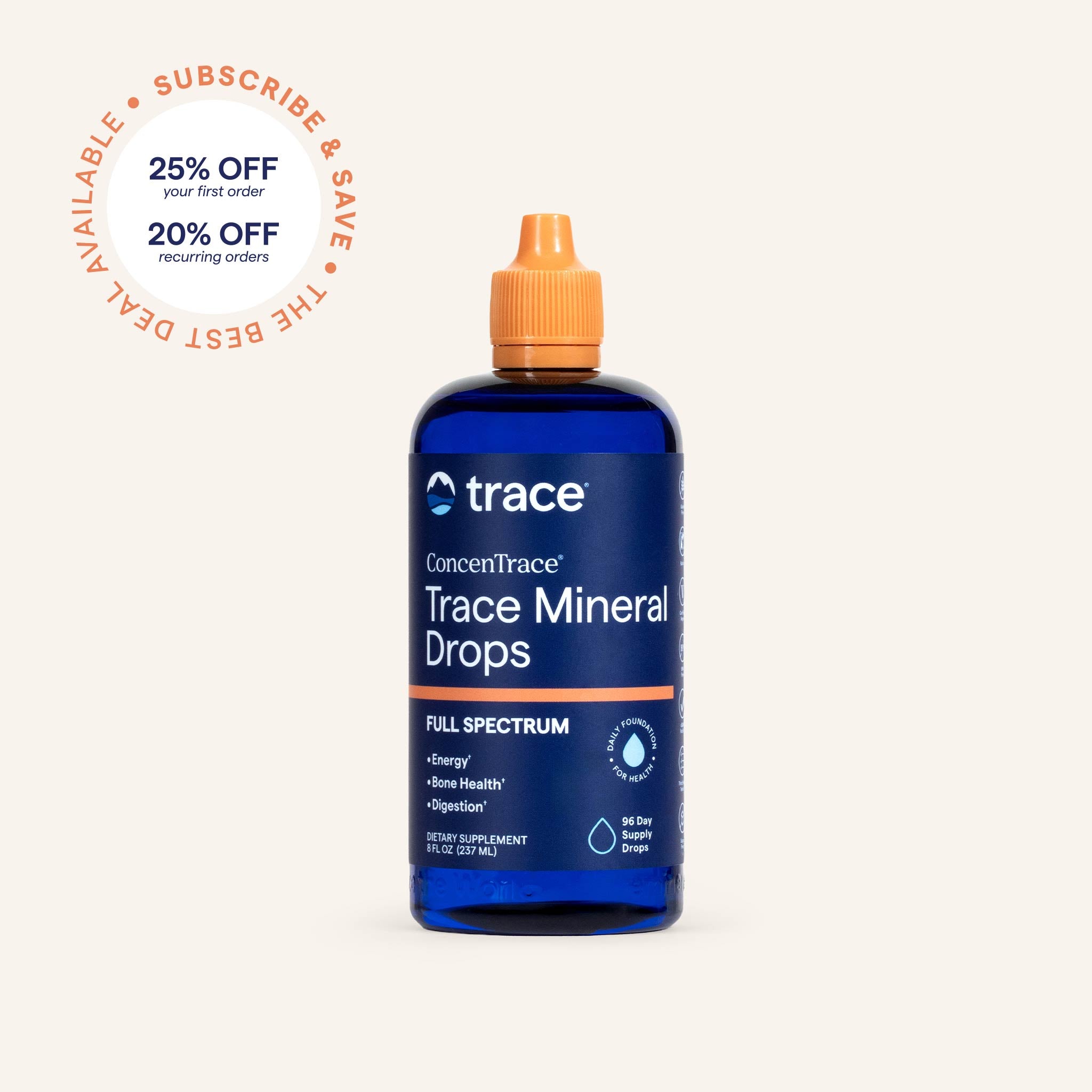
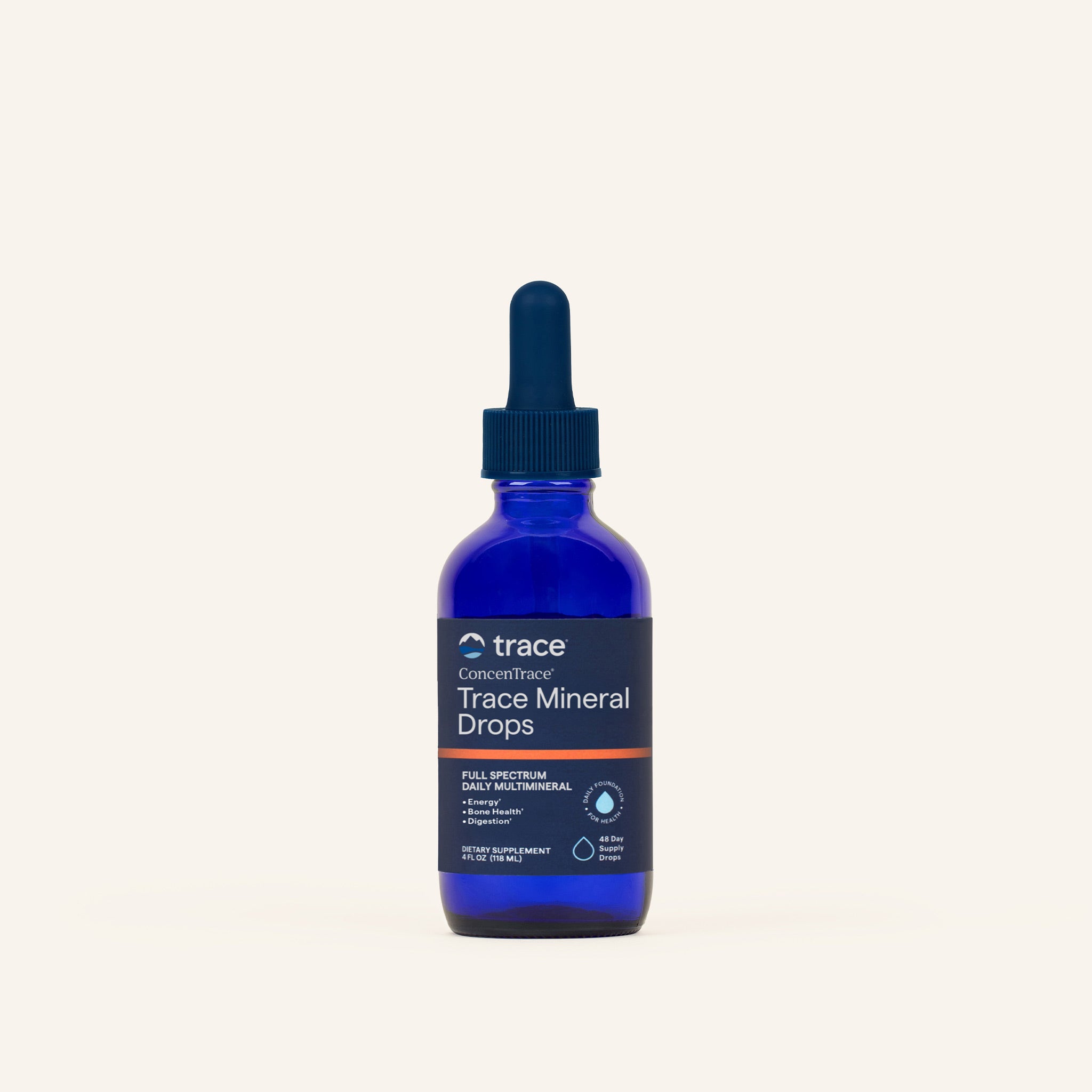

Key Takeaways:
- Supports Joint Repair & Maintenance: Joint health supplements aid in repairing and maintaining joint structures while enhancing nutrient absorption with essential minerals.
- Promotes Flexibility & Well-Being: Key ingredients like glucosamine, chondroitin, and the ConcenTrace® trace mineral complex improve joint flexibility and overall health.
- Personalized Regimens For Maximum Effectiveness: Tailoring supplement routines and addressing potential interactions with other medications ensure safety and optimal results.
Key Ingredients In Joint Health Supplements
Joint health concerns span age groups and lifestyles, highlighting the universal need for supportive care and supplementation. Here are the key ingredients often found in joint supplements that support joint function and contribute to overall mineral balance, which is critical for body wellness and mobility:
1. Glucosamine And Chondroitin
Glucosamine and chondroitin are perhaps the most well-known ingredients in joint health. They are naturally occurring substances in the body and critical in maintaining cartilage health. Glucosamine builds tendons, ligaments, cartilage, and the thick fluid surrounding joints. Chondroitin, on the other hand, helps retain water in the joints, improving elasticity and inhibiting the enzymes that break down cartilage. Together, they offer a synergistic effect that can alleviate pain and improve joint function.
2. MSM (Methylsulfonylmethane)
MSM is a sulfur-containing compound that reduces inflammation, a key factor in joint pain and degradation. By decreasing the inflammatory response, MSM can help maintain the structure of connective tissue, making it a valuable component of joint health supplements. Its presence supports the body's ability to heal and maintain joint flexibility.
3. Hyaluronic Acid
Hyaluronic acid is a naturally present substance in the human body. It is found in the highest concentrations in the fluids of the eyes and joints. Hyaluronic acid is important for lubricating joints and modulating the inflammatory process in joint health supplements. This can enhance mobility and reduce pain for individuals experiencing joint distress.
4. Omega-3 Fatty Acids
Omega-3 fatty acids, sourced from fish oil and flaxseed, offer anti-inflammatory benefits crucial for joint health. These essential fatty acids help reduce the production of molecules and substances linked to inflammation, such as inflammatory eicosanoids and cytokines. Regular intake of omega-3s has been associated with improved joint flexibility and reduced pain and stiffness.
5. ConcenTrace® Trace Mineral Complex
Exclusive to our brand, the ConcenTrace® Trace Mineral Complex sets our joint health supplements apart. Harvested from the minerally rich waters of the Great Salt Lake, this complex delivers a concentrated dose of over 72 naturally occurring trace minerals in an ionic form — the most absorbable form for the body. These minerals are crucial for countless biochemical processes in the body, including those that support optimal joint function.
Ready to reclaim your mobility and support your joints like never before? Try Trace’s mineral-rich joint health supplements. Packed with essential nutrients and our signature ConcenTrace® complex, they’re designed to keep you active and pain-free. Don’t let joint discomfort hold you back — shop now and feel the difference with every step.
Joint Health Supplements vs. Prescription Medications
In the journey toward optimal joint health, individuals often face a crucial decision: turning to joint health supplements or relying on prescription medications. Each approach offers distinct advantages and potential drawbacks, shaped by the unique exigencies of one's health and lifestyle.
Joint Health Supplements
Joint health supplements offer a more natural pathway toward maintaining joint function and comfort. These supplements contain essential minerals and nutrients derived from nature's best sources, like the minerally-rich waters of the Great Salt Lake, which our bodies are adept at processing and utilizing. They synergistically support joint health by enhancing nutrient absorption and ensuring the body receives comprehensive mineral supplementation. For those who value a holistic approach, supplements represent a proactive measure to nourish their body, respecting its intricate balance and ensuring long-term wellness without the common side effects of some prescription drugs.
Prescription Medications
On the other hand, prescription medications prescribed for joint pain and inflammation often offer immediate, targeted effectiveness that some individuals may require. These medications are scientifically formulated to address specific biochemical pathways involved in pain and inflammation, offering swift and significant joint pain relief. However, it's essential to acknowledge the potential downsides, including the risk of side effects and the possibility of developing a dependency on these medications for joint pain relief.
The Debate
One cannot overlook the role of scientific backing in this debate. Both joint supplements and prescription medications are grounded in rigorous scientific research. Supplements like those offered by our company are developed in close collaboration with medical and nutrition experts, ensuring they are effective, safe, and sustainable. Our commitment to scientific excellence from start to finish mirrors that of the pharmaceutical industry. Yet, we prioritize harnessing the power of natural, concentrated minerals to comprehensively support the body’s health.
Natural Sources Of Joint-Supporting Nutrients
Maintaining optimal joint health is crucial for active and aging populations, so understanding the natural sources of joint-supporting nutrients can be transformative. Minerals play a foundational role in supporting the structural integrity of joints, contributing to bone health, and aiding in reducing inflammation.
- Magnesium For Bone Density: Magnesium aids calcium absorption, promotes bone density, and prevents osteoporosis. Sources include nuts (almonds, cashews), leafy greens (spinach, kale), and whole grains.
- Calcium For Strong Joints: Calcium strengthens bones and joints. It is found in dairy products, fortified plant milks, leafy greens, and almonds and is essential for joint integrity.
- Vitamin D For Calcium Absorption: Vitamin D supports calcium absorption and bone growth. Get it from sunlight, fatty fish (salmon, mackerel, sardines), egg yolks, and fortified foods.
- Omega-3 Fatty Acids For Inflammation: Omega-3s reduce inflammation and improve joint mobility. Rich sources include fatty fish (salmon, mackerel) and plant-based options like flaxseeds, chia seeds, and walnuts.
- Manganese For Joint Repair: Manganese supports bone formation and enzyme functions vital for joint repair. You can find this mineral in whole grains, legumes, and nuts.
- Silicon For Connective Tissue Health: Silicon aids in forming bones and connective tissue. Foods like bananas, green beans, and whole grains are excellent sources of silicon to maintain joint flexibility.
Benefits Of Joint Health Supplements For Arthritis
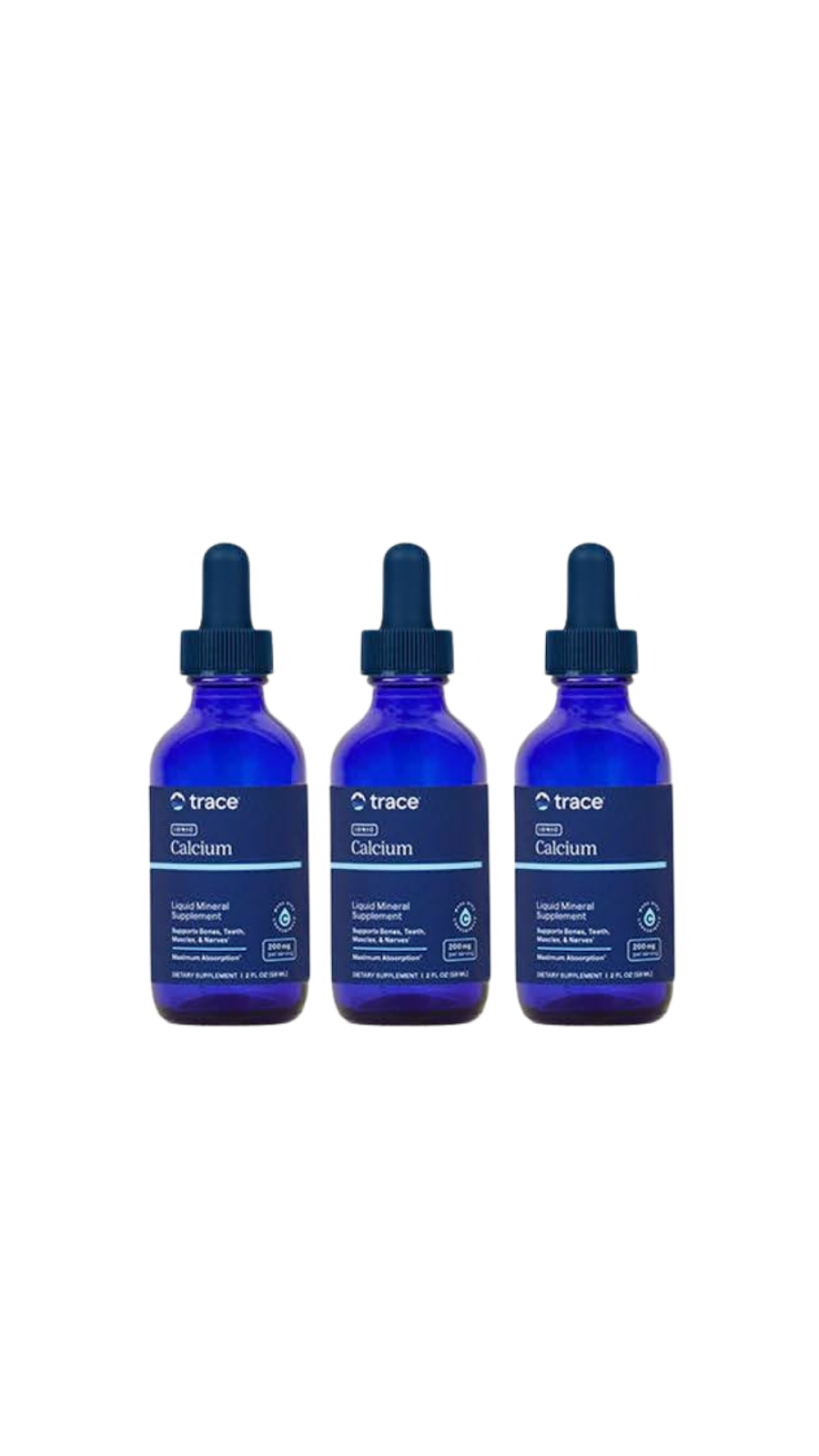
If you're one of the millions living with arthritis, you know how joint pain can affect your daily life. But there’s hope! The right joint health supplements, such as Ionic Calcium, can offer significant benefits, especially those enriched with essential minerals.
Natural Joint Pain Relief
One of the foremost benefits of incorporating joint supplements into your daily regimen is reducing pain and discomfort associated with arthritis. Minerals such as magnesium, found in high concentrations in our ConcenTrace-infused products, play a vital role. Magnesium has been shown to have natural anti-inflammatory properties, making it an excellent ally in combatting arthritis symptoms.
Enhanced Mobility
Arthritis can significantly impair mobility, but the right supplement can manage this. By reducing inflammation and providing the body with the necessary minerals to repair joint tissue, our supplements offer a pathway to improved mobility. With regular use, many individuals report a noticeable enhancement in their ability to move more freely and with less discomfort.
Improved Joint Structure
Over time, arthritis can deteriorate joint structure, leading to more severe issues. Our unique blend of minerals, including those sourced from the Great Salt Lake's minerally rich waters, aids in supporting and maintaining joint structure. This helps slow the progression of arthritis and may also contribute to the rebuilding of joint tissues.
Reduced Inflammation
Chronic inflammation is a hallmark of arthritis, and addressing this underlying issue is key to managing the disease. We formulate our joint flexibility supplements to deliver minerals that naturally combat inflammation. It’s not just about managing symptoms but about targeting one of the root causes of arthritis discomfort.
Supports Overall Well-being
Beyond the direct benefits to joint health, supplements can help support overall well-being. Minerals are crucial in various body functions, from cardiovascular health to immune response. Ensuring your body receives optimal minerals can help manage arthritis and contribute to a healthier, more vibrant life.
Interactions With Other Medications And Supplements
When considering joint health supplements, be informed about how these may interact with other medications and supplements you are currently taking. Their efficacy can be influenced by interactions with other substances, making this an important aspect to consider for achieving the best results and ensuring safety.
Blood-Thinning Medications
One common interaction to be aware of involves blood-thinning medications. Certain joint health supplements, such as those containing omega-3 fatty acids, have natural blood-thinning effects. When taken alongside prescribed blood thinners, these supplements can amplify the medication's effect, potentially leading to an increased risk of bleeding. It's imperative to consult a healthcare professional before combining such supplements with blood-thinning medications.
Calcium And Magnesium Interactions
Joint flexibility supplements containing high levels of minerals like calcium or magnesium may interact with antibiotics and certain heart medications. These interactions can either reduce the medication's absorption or lead to mineral imbalances in the body. It may be necessary to stagger the timing of taking the supplements and medications to avoid these interactions.
Herbal Ingredients And Anti-Inflammatory Properties
Supplements that support joint health also frequently include herbal ingredients, such as turmeric or ginger, known for their anti-inflammatory properties. While beneficial, these ingredients can interact with antiplatelet and anticoagulant drugs, increasing the risk of bleeding.
Effects On Blood Sugar Levels
If you are on diabetic medication, be attentive, as some joint health supplements might lower blood sugar levels, necessitating adjustments to medication dosages under medical guidance.
Monitoring Mineral Intake
It's also worth noting that while our ConcenTrace-based products are carefully formulated to provide essential minerals in optimal concentrations, it's important to pay attention to your total daily intake of these minerals. Overconsumption can lead to adverse effects, particularly if you're taking multiple supplements or medications with overlapping mineral contents.
Read also:
- Why Supporting Your Joints Is So Important
- Can You Take Calcium And Magnesium Together?
- Are Trace Minerals Good For You? Health Benefits Explained
Sources:
1. Paultre, K., Cade, W., Hernandez, D., Reynolds, J., Greif, D., & Best, T. M. (2021). Therapeutic effects of turmeric or curcumin extract on pain and function for individuals with knee osteoarthritis: a systematic review. BMJ open sport & exercise medicine, 7(1), e000935. https://doi.org/10.1136/bmjsem-2020-000935
2. Sunyecz J. A. (2008). The use of calcium and vitamin D in the management of osteoporosis. Therapeutics and clinical risk management, 4(4), 827–836. https://doi.org/10.2147/tcrm.s3552
3. Gupta, R. C., Lall, R., Srivastava, A., & Sinha, A. (2019). Hyaluronic Acid: Molecular Mechanisms and Therapeutic Trajectory. Frontiers in veterinary science, 6, 192. https://doi.org/10.3389/fvets.2019.00192
4. Butawan, M., Benjamin, R. L., & Bloomer, R. J. (2017). Methylsulfonylmethane: Applications and Safety of a Novel Dietary Supplement. Nutrients, 9(3), 290. https://doi.org/10.3390/nu9030290
5. Jerosch J. (2011). Effects of Glucosamine and Chondroitin Sulfate on Cartilage Metabolism in OA: Outlook on Other Nutrient Partners Especially Omega-3 Fatty Acids. International journal of rheumatology, 2011, 969012. https://doi.org/10.1155/2011/969012
Frequently Asked Questions
Cartilage is a smooth, flexible tissue that cushions joints and allows them to move comfortably. Over time, daily activities, aging, and strenuous physical demands can impact how healthy cartilage functions. Understanding why supporting your joints is so important begins with recognizing that cartilage has limited capacity for self-repair due to its lack of direct blood supply, making it uniquely vulnerable to cumulative stress.
Here’s what goes on beneath the surface:
- Cartilage lacks a direct blood supply, so it relies on movement and joint fluid for nourishment. Without consistent mobility, nutrient exchange slows, which in turn affects tissue health.
- Every day wear and tear can lead to gradual cartilage deterioration, especially when microtraumas accumulate over years of repeated motion.
- Intense activity, repetitive motions, and excess weight put additional strain on cartilage, accelerating surface breakdown and reducing joint durability.
- Genetics, nutritional factors, and environment can play a role in cartilage resilience, influencing how well the body maintains structural proteins like collagen.
- The body naturally attempts to renew cartilage, but this process may slow down as we age due to reduced collagen synthesis and changes in the activity of cartilage cells.
Additional factors to understand:
- Hormonal changes, such as decreased estrogen, can reduce cartilage hydration and elasticity.
- Chronic low-grade inflammation can degrade cartilage matrix proteins.
- Prolonged inactivity reduces the circulation of synovial fluid, limiting nutrient delivery to cartilage.
Supporting cartilage health often involves providing the body with process-specific nutrients, engaging in appropriate physical activity, maintaining hydration, and adopting mindful lifestyle habits. These steps help maintain flexibility, mobility, and long-term joint comfort.
Healthy joints rely on more than just cartilage, synovial fluid, and connective tissue. Minerals play several vital roles in the overall structure and function of joints, and many people seek supplements for joint health that deliver these essential nutrients.
Key minerals and their supportive functions include:
- Calcium: Provides structural support for bones and is a crucial component for maintaining joint integrity.
- Magnesium: Assists in muscle relaxation surrounding joints, which can contribute to comfort during movement.
- Zinc: Supports normal cartilage maintenance and participates in the body’s natural repair processes.
- Copper: Plays a role in collagen and elastin synthesis, both of which are essential for flexible, resilient joint tissues.
- Manganese: Involved in the creation of cartilage and bone, which promotes healthy joint development.
- Selenium: Supports the body’s ability to manage oxidative stress, a factor in overall joint wellness.
Additional mineral insights:
- Potassium and sodium help regulate nerve impulses that control muscle contraction, preventing unnecessary strain on joints.
- Balanced mineral intake supports natural lubrication processes, helping maintain smooth movement within the joint capsule.
Even trace levels of these minerals, when balanced, contribute to natural joint lubrication, help maintain tissue structure, and support mobility. Achieving an adequate mineral intake from a diverse diet or through a high-quality supplement may help promote balanced joint health for individuals with active lifestyles or those seeking to support joint function over time.
Support your joint comfort and mobility with Trace. Our mineral-focused formulas are carefully crafted to help your body maintain balance, promote movement, and build everyday resilience. If you're looking for joint health supplements that fit naturally into your routine, Trace Minerals offers clean, reliable options designed to support steady, long-term wellness.
Optimal joint health often relies on the close interaction between bone and cartilage, where minerals like calcium and vitamins like D take center stage. This partnership explains why many people searching for the best supplements for joint health look specifically for products containing both nutrients.
- Calcium is essential for developing and maintaining bone density, giving the skeleton its strength and structure.
- Vitamin D aids in the absorption of calcium, supporting bone mineralization and potentially contributing to the repair of microdamage within joint structures.
- Both nutrients play a foundational role in skeletal integrity, which provides stability to the joint environment.
Research indicates:
- Vitamin D receptors in immune and muscle cells show their broader influence on mobility. Adequate vitamin D supports balanced immune activity that affects long-term joint comfort.
- Calcium works in conjunction with phosphorus to maintain bone rigidity, supporting both everyday movement and high-impact activities.
- Proper vitamin D status can influence muscle strength, supporting joint stability.
- Calcium reinforces the bone-cartilage connection zone, an area vulnerable to stress-related wear.
Consistent, adequate levels of calcium and vitamin D are key for anyone seeking to promote both bone strength and joint comfort through every stage of life.
Healthy joints depend on more than collagen or glucosamine; they require a balanced intake of minerals to support consistent mobility, comfort, and tissue renewal. This is why many individuals exploring the best joint health supplements seek comprehensive mineral support, such as ConcenTrace Trace Minerals.
Expanded benefits include:
- ConcenTrace offers a naturally occurring spectrum of ionic minerals derived from seawater, providing highly bioavailable forms of essential nutrients.
- Ionic minerals are electrically charged, supporting efficient transport across cell membranes and improving nutrient utilization in joint tissues.
- Magnesium and potassium help regulate muscle tone around joints, reducing stiffness and guarding responses that limit movement.
- Boron may influence bone metabolism and the utilization of minerals such as calcium and magnesium, thereby supporting long-term joint resilience.
- Optimal hydration from ionic minerals supports the quality of synovial fluid, supporting lubrication and reduced friction between cartilage surfaces.
- Trace minerals, such as chromium and vanadium, may support metabolic pathways associated with tissue repair and joint comfort.
- Athletes and highly active individuals often lose minerals through sweat; ionic minerals replenish these efficiently.
Combining minerals sourced from nature, ConcenTrace aligns with a holistic approach to joint support, working in harmony with a balanced diet and an active lifestyle.
Maintaining healthy joints requires not only strong bones and cartilage but also proper hydration and a balanced electrolyte intake. Synovial fluid, the gel-like lubricant in joint capsules, depends on both to work effectively.
Important considerations:
- Synovial fluid reduces friction, cushions joints, and supports smooth motion.
- Hyaluronic acid, a major component of synovial fluid, relies heavily on hydration to maintain viscosity.
- Electrolytes regulate osmotic balance, controlling the flow of nutrients and waste in joint tissues.
- Sodium and potassium influence the permeability of the synovial membrane, thereby affecting nutrient exchange.
- Magnesium supports enzymatic processes involved in lubricating the cartilage surface.
- A proper mineral balance helps maintain fluid thickness, which may reduce stiffness during movement.
- Dehydration may cause synovial fluid to become less effective, increasing friction and discomfort.
- Electrolytes help retain water within joint tissues, supporting movement during physical activity.
Adequate hydration and a steady supply of electrolytes provide the environment joints need to absorb impact, maintain mobility, and sustain comfort through daily tasks and exercise. When joints have the right environment, they’re better equipped to withstand the demands of daily movement and exercise.
Adapting to changes in joint health is possible with a combination of intentional lifestyle choices and targeted nutritional support. Consider the following science-informed approaches for maintaining joint comfort and flexibility as the years progress:
- Prioritize regular low-impact movement, such as walking, swimming, or cycling, to help maintain mobility and circulation.
- Incorporate stretching and mobility exercises into your daily routine to help support the range of motion and reduce stiffness.
- Monitor body weight, as maintaining a healthy weight may reduce stress on joints and contribute to more comfortable movement.
- Choose anti-inflammatory foods, such as leafy greens, berries, fatty fish, and nuts, to support overall joint health and wellness.
- Stay hydrated, as adequate water intake helps lubricate cartilage and joints.
- Consider joint health supplements that provide nutrients like collagen, glucosamine, chondroitin, and a full spectrum of trace minerals to help nourish connective tissue.
- Ensure you’re getting enough vitamin D and calcium, as these are fundamental for bone strength and joint structure.
Staying proactive empowers you to support joint comfort better and maintain an active, engaged lifestyle at any age.


