


Energy Supplements
Understanding energy supplements starts with recognizing how energy production relies on more than caffeine or quick fixes. The body relies on minerals, vitamins, and cellular nutrients to maintain a steady metabolism and consistent endurance. These supplements can help support daily vitality, mental clarity, and physical performance. Exploring their role provides a glimpse into how they contribute to sustained, balanced energy without revealing every detail upfront.
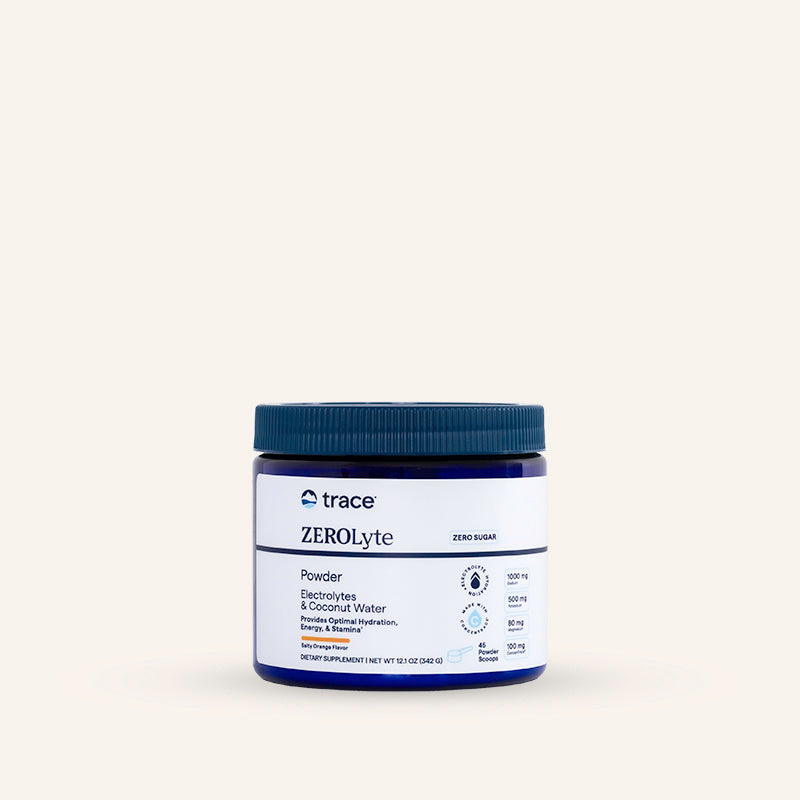
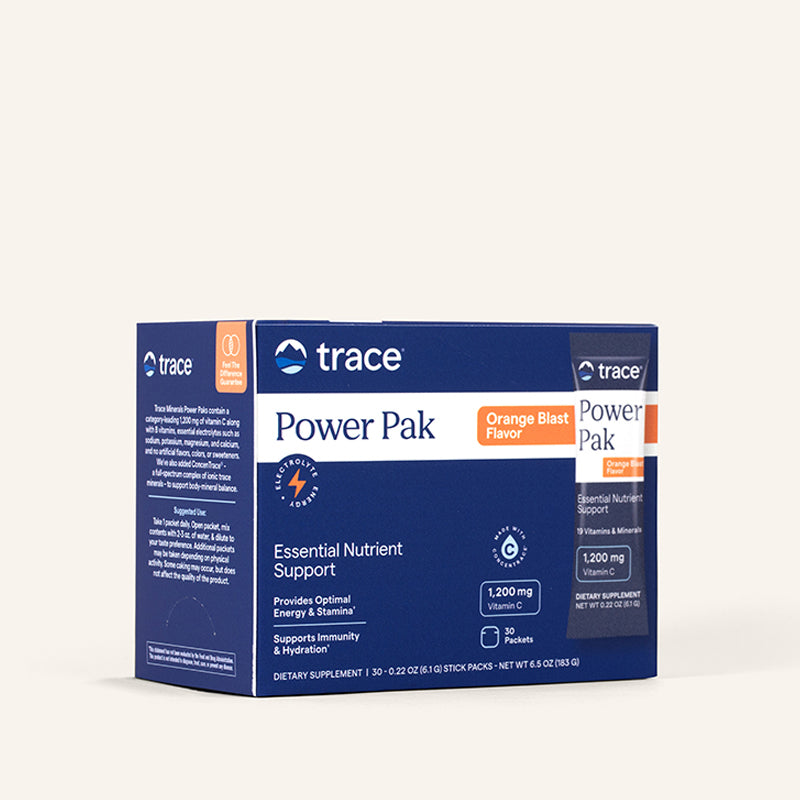
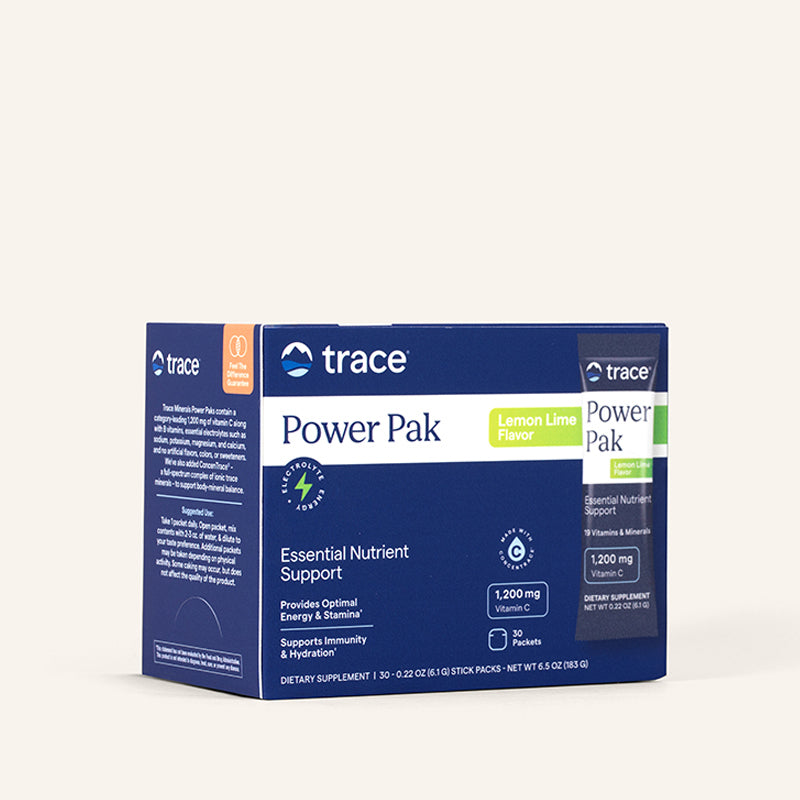
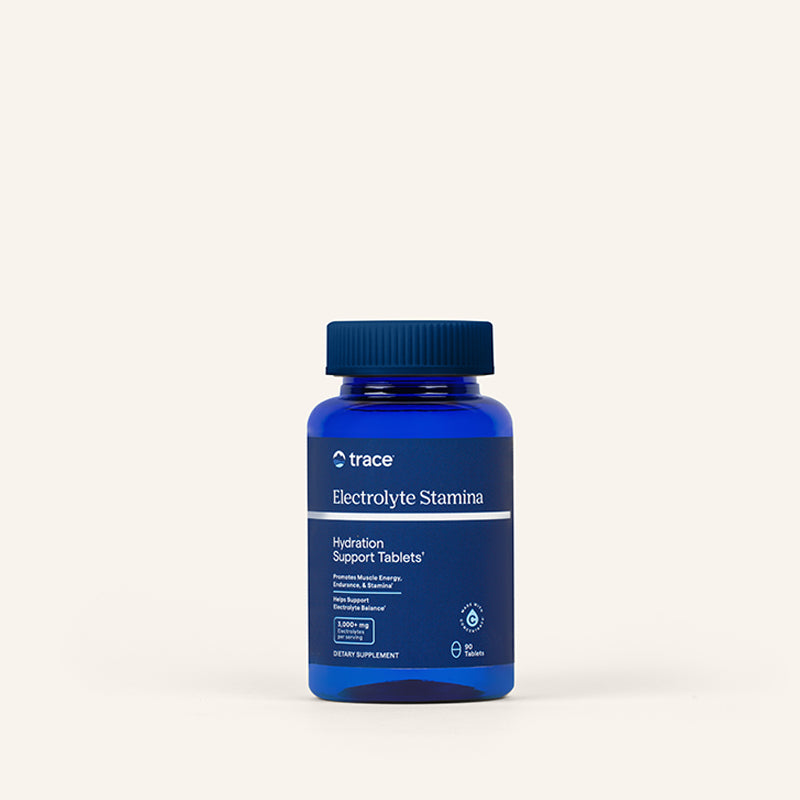
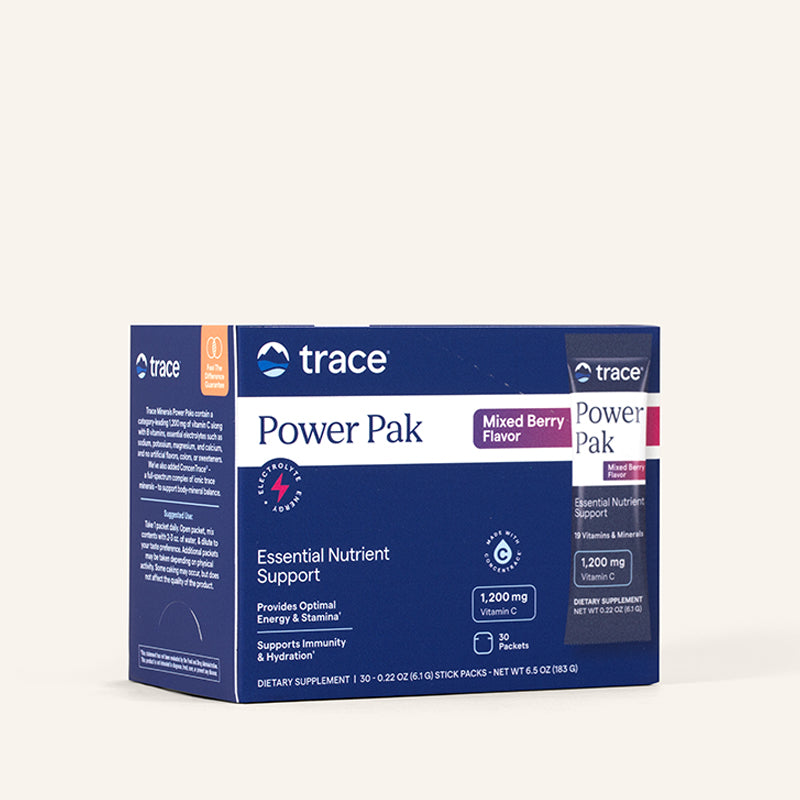
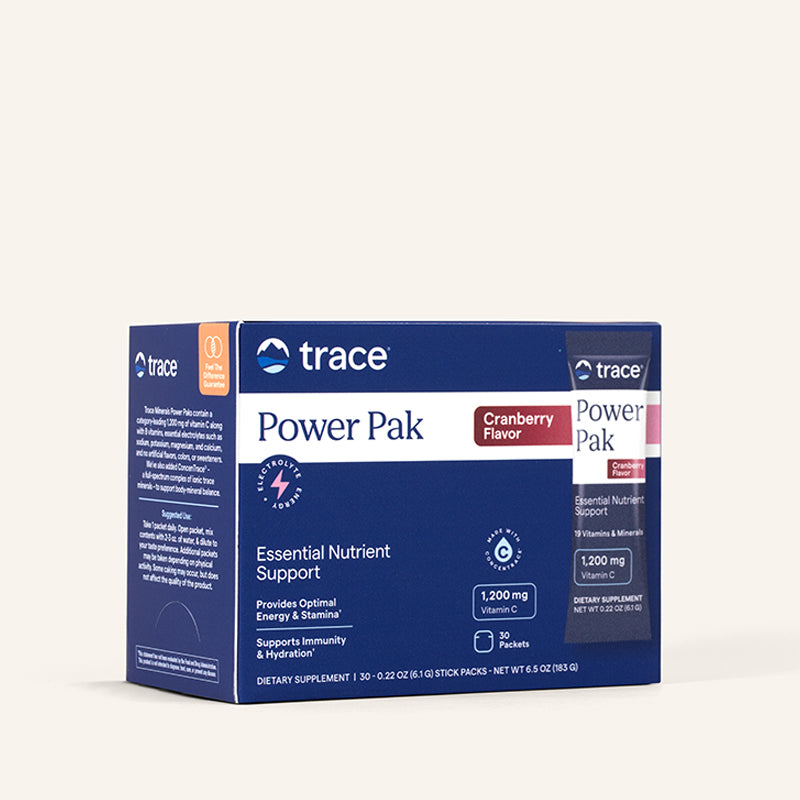
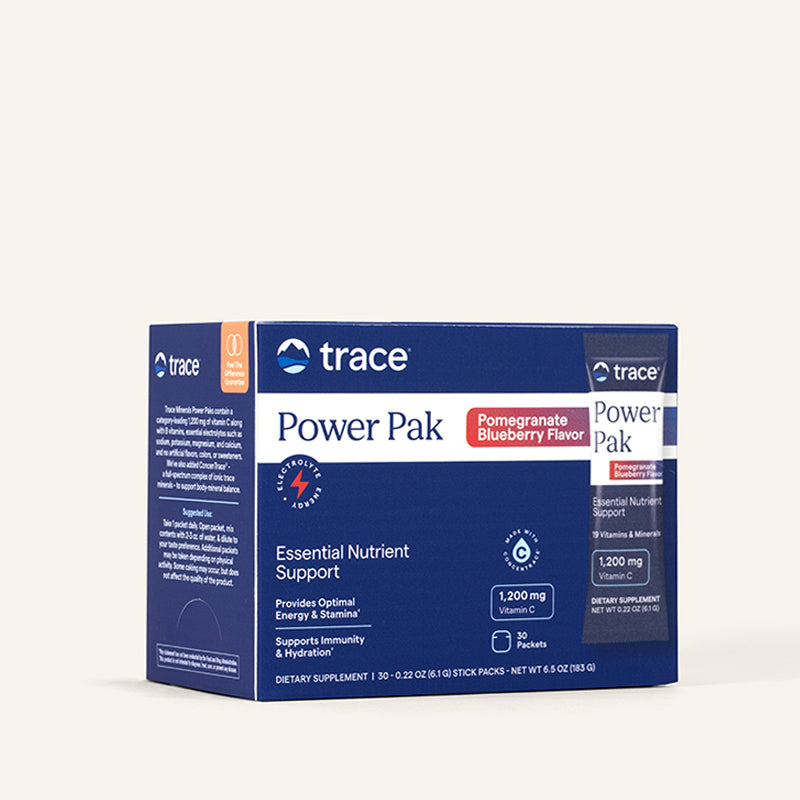
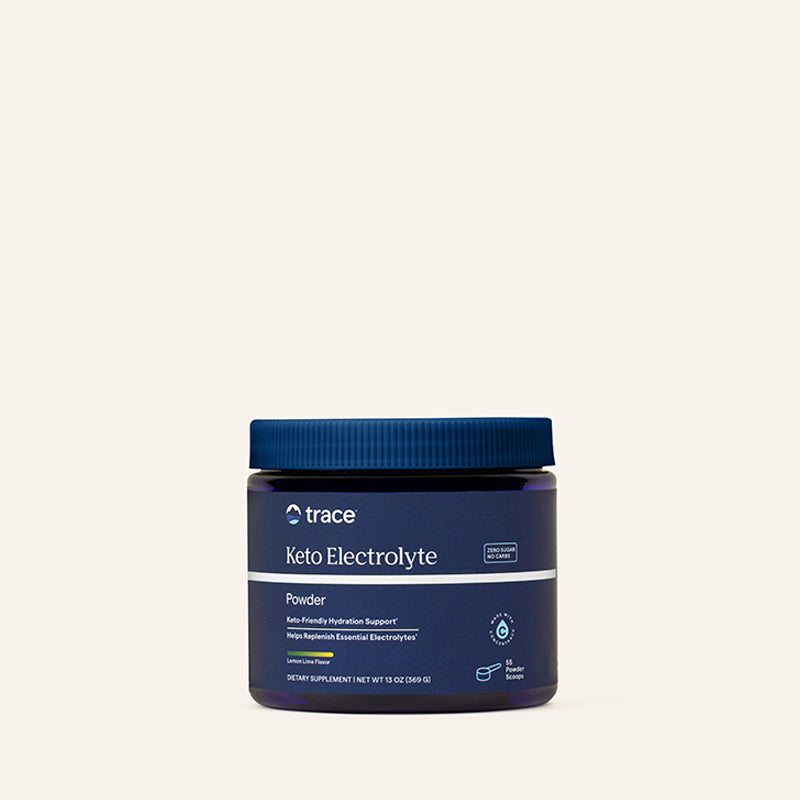
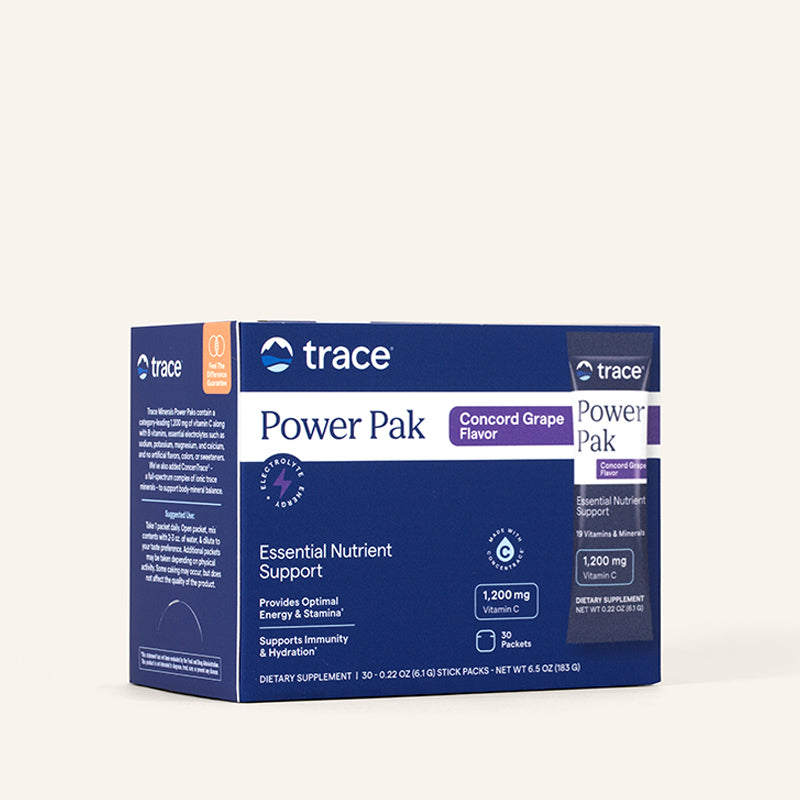
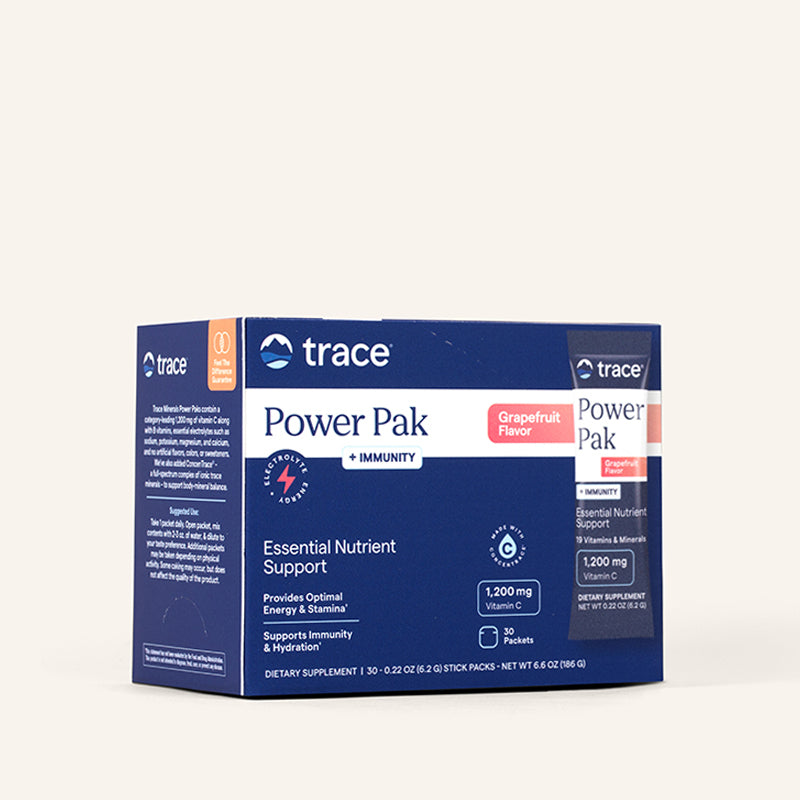
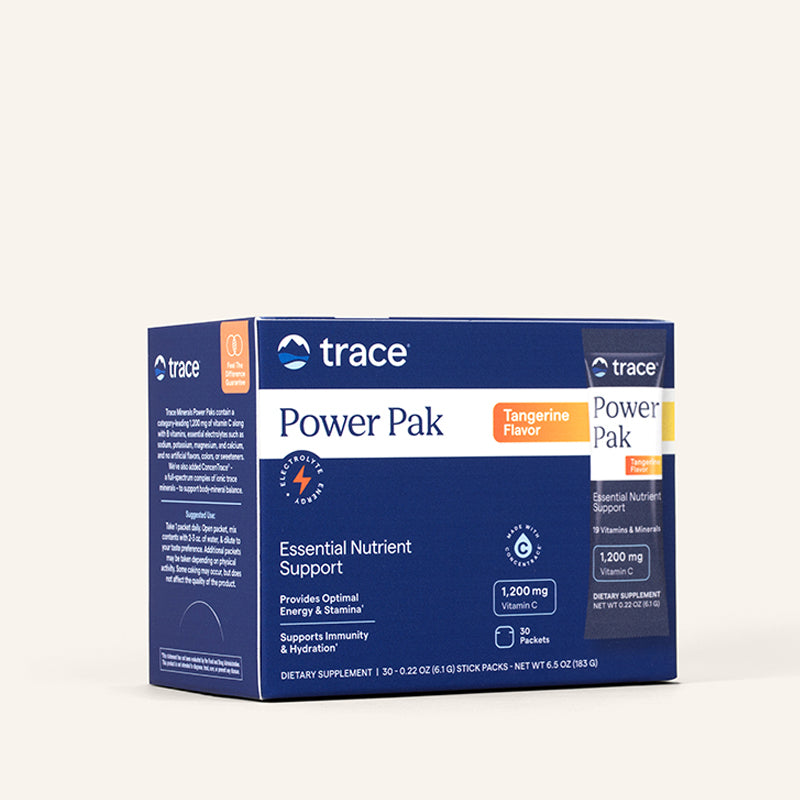
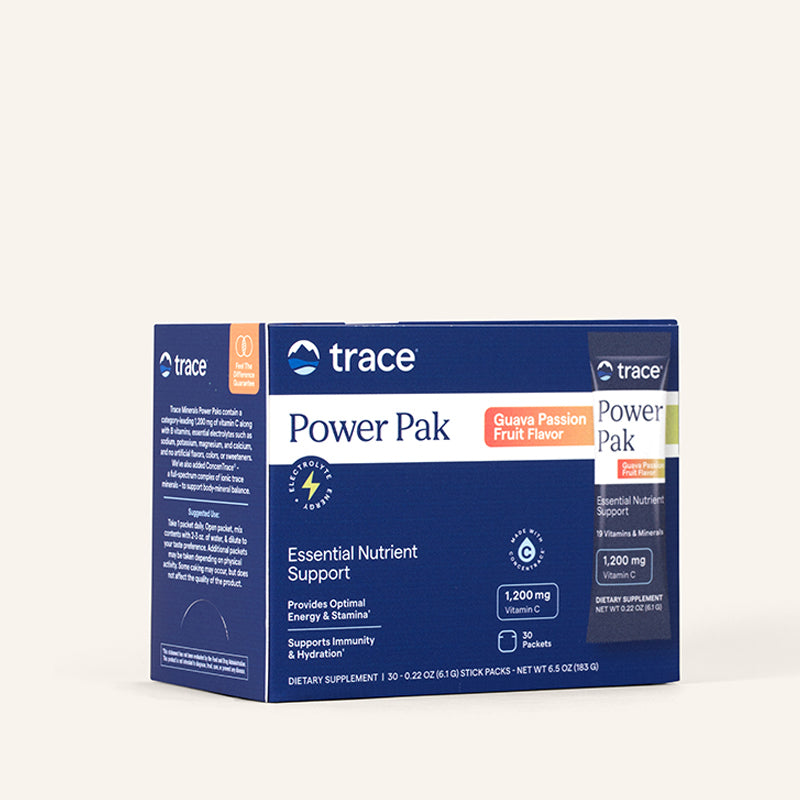
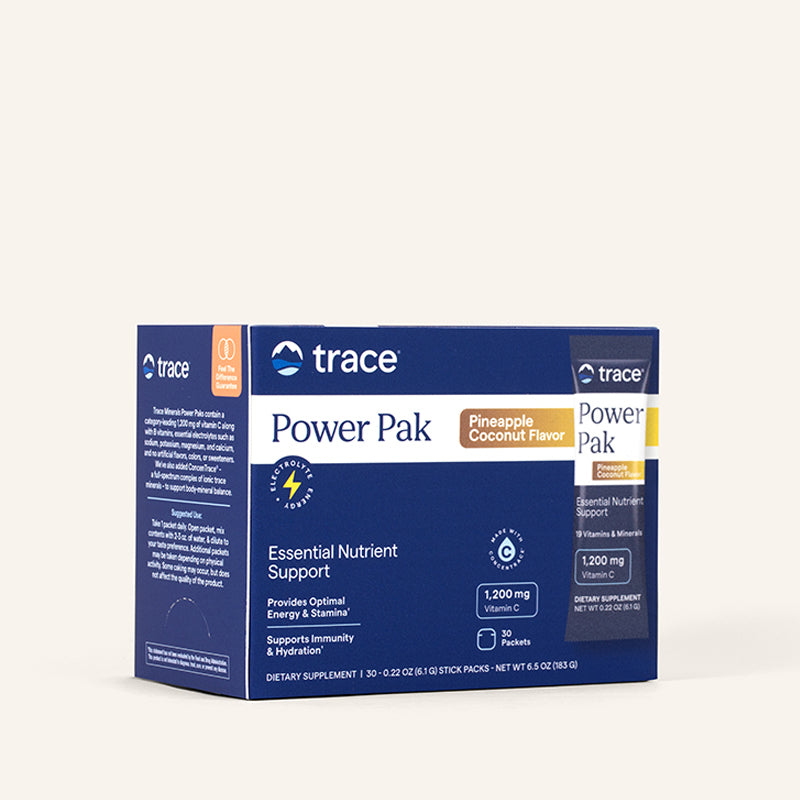
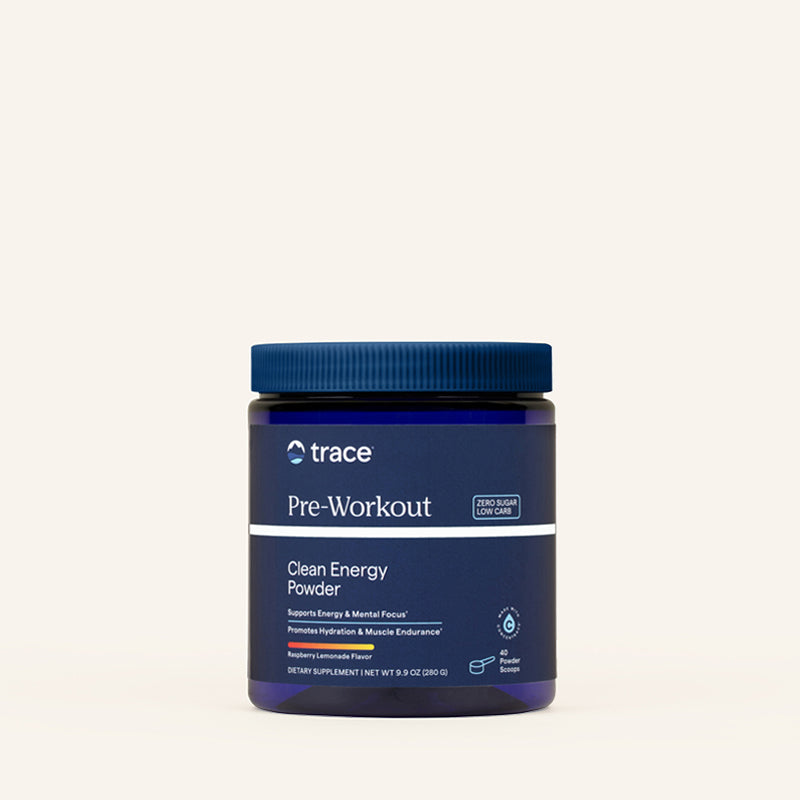
6 delicious flavors
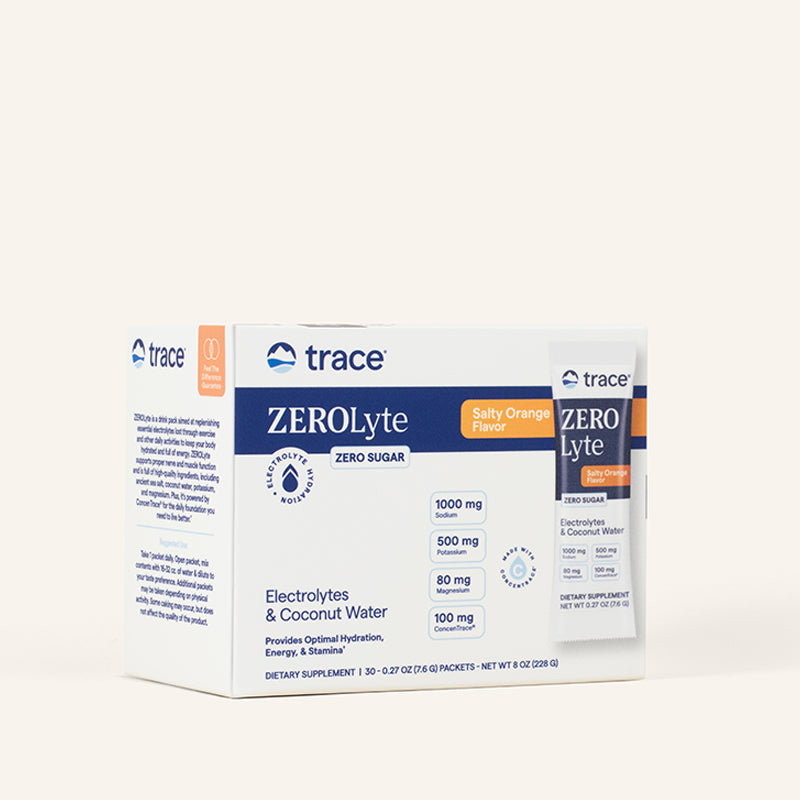
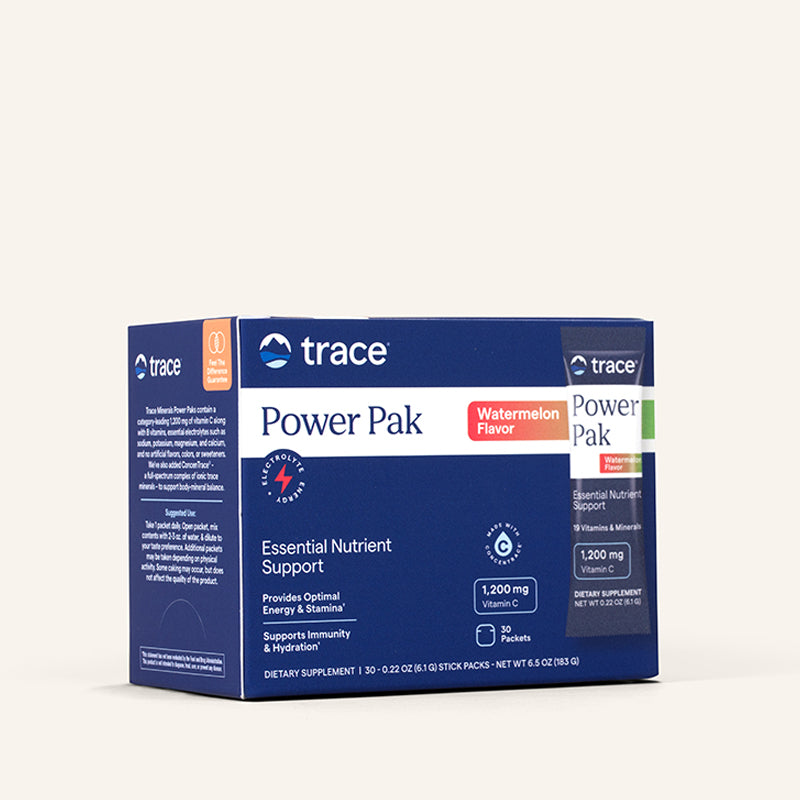
6 delicious flavors
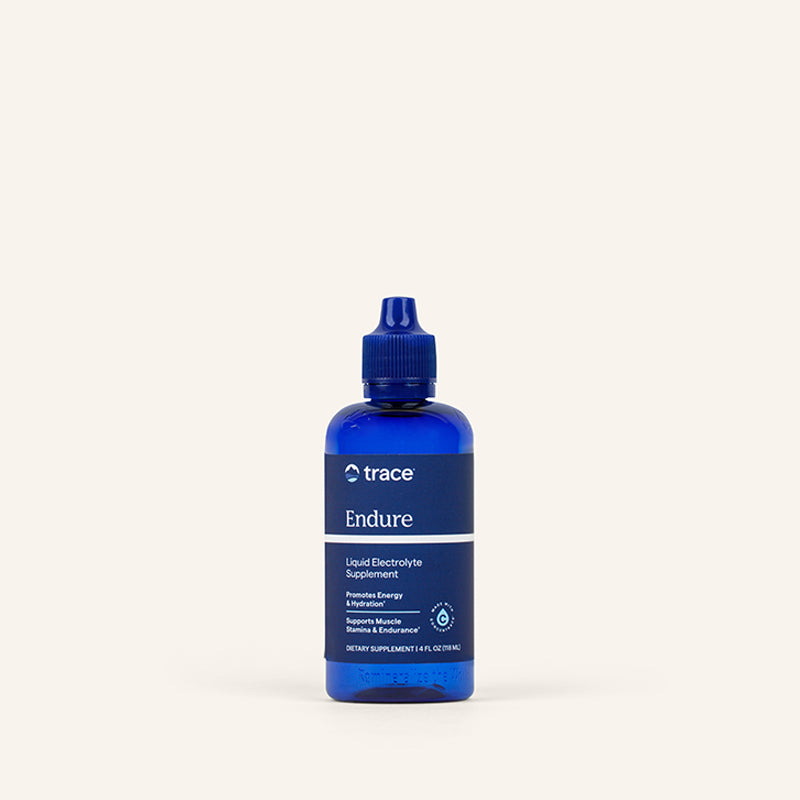
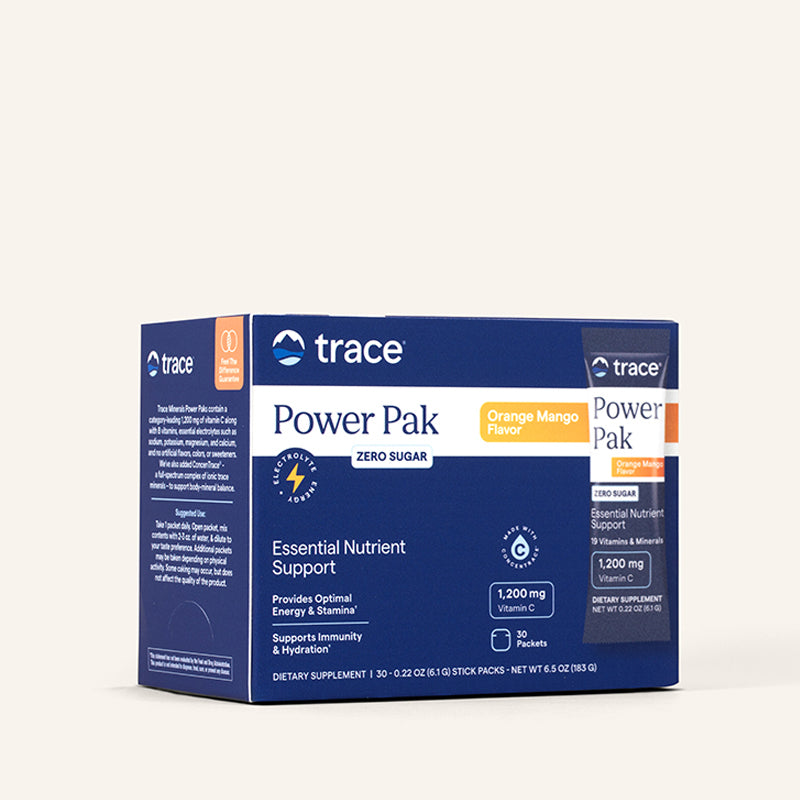
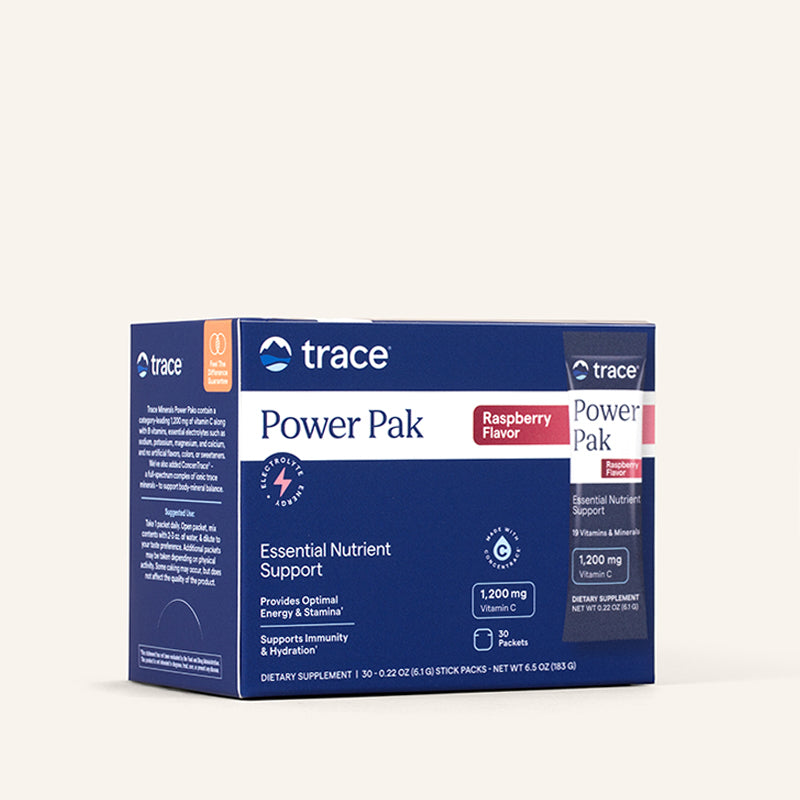
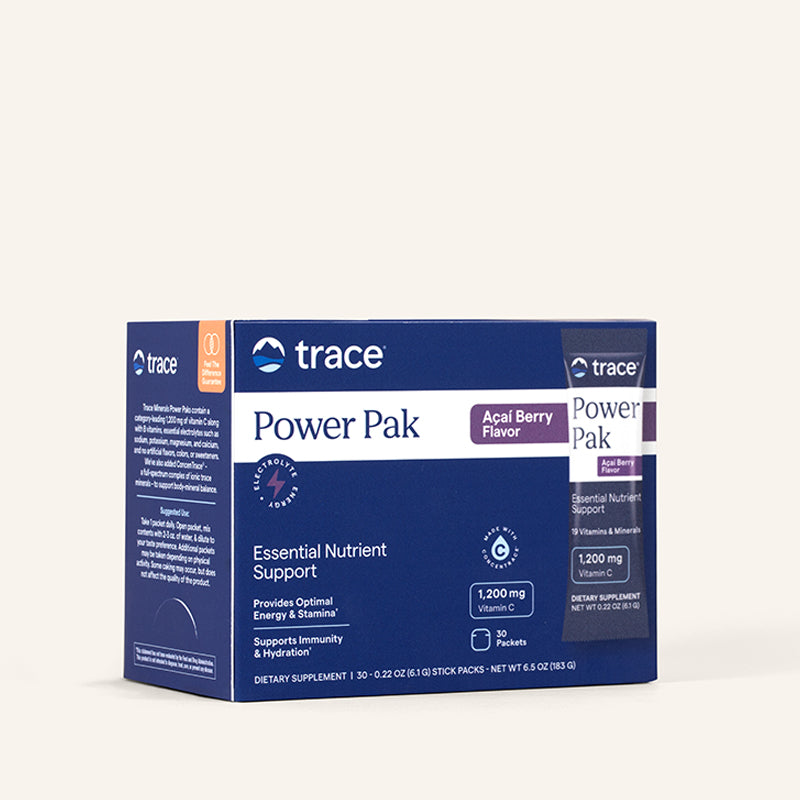
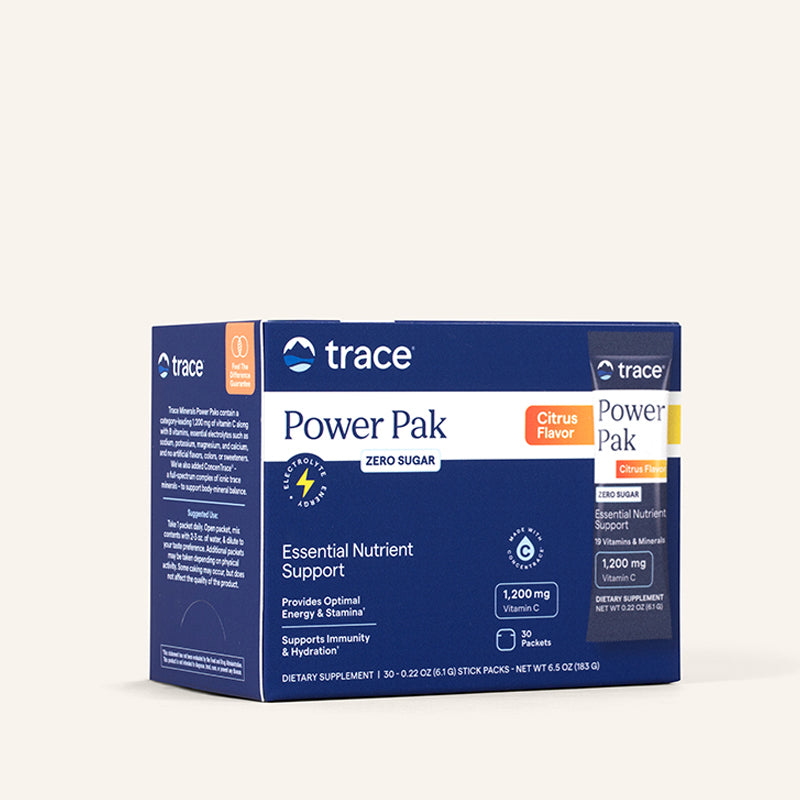
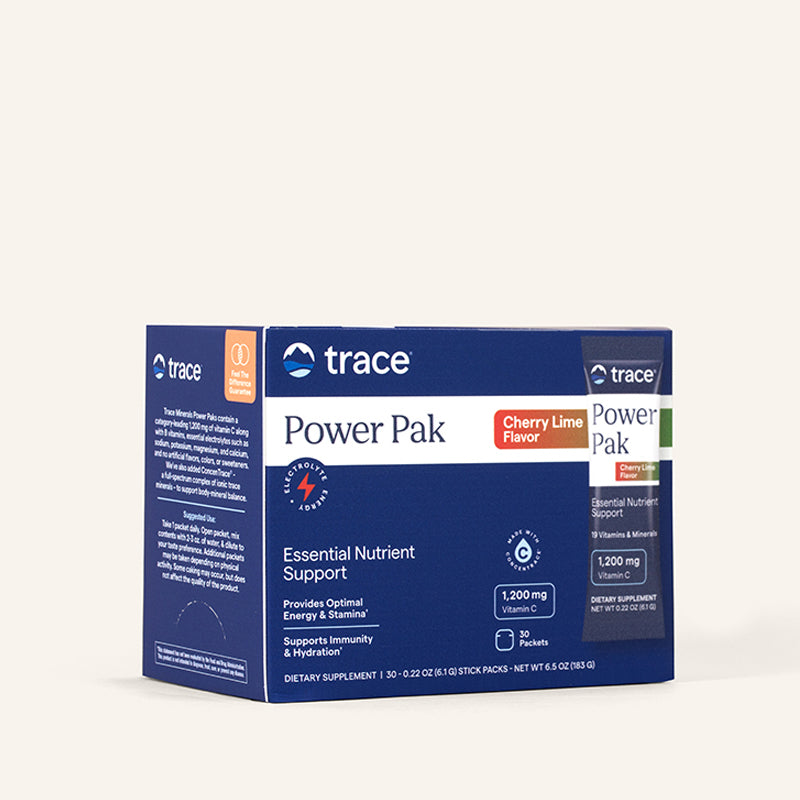

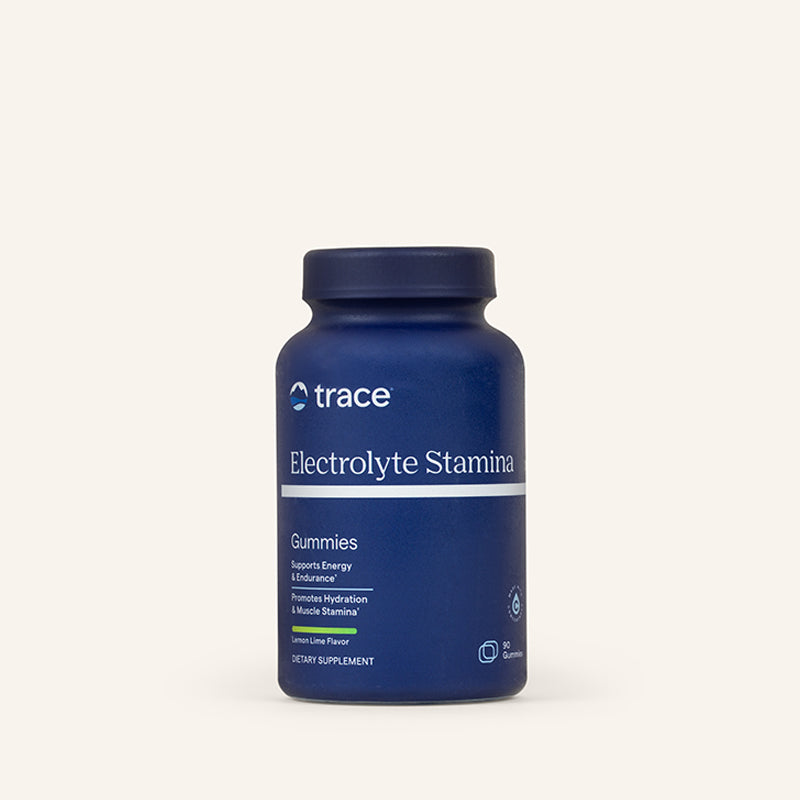
Core Minerals That Support Energy Metabolism
When it comes to maintaining steady and reliable energy levels, essential minerals play a vital role at the cellular level. Understanding how to get more energy often begins with recognizing how these minerals contribute to metabolic processes and daily vitality.
Here are some of the top minerals shown to support energy metabolism, and why they matter:
Magnesium:
- Involved in over 300 enzymatic reactions, including those that help convert food into usable energy
- Helps support muscle function and nervous system health during periods of activity
Potassium:
- Crucial for maintaining electrical balance in cells
- Supports nutrient transport, which helps facilitate energy production and normal muscle movement
Zinc:
- Contributes to cellular metabolism and protein synthesis
- Plays a role in the body’s natural response to stress and in supporting immune health
Chromium:
- Supports the body’s processing of carbohydrates, proteins, and fats
- May help maintain normal blood sugar levels, a key factor in steady energy
Iron:
- Central to transporting oxygen in the blood, which is vital for sustained energy
- Supports focus, stamina, and overall cognitive function
Calcium:
- Involved in the release of enzymes and hormones required for energy conversion
- Important for muscle contraction and efficient cellular signaling
Missing out on these core minerals can contribute to feelings of fatigue and hinder efficient energy production. Eating a balanced diet with a varied selection of foods, and supplementing mindfully, helps provide the nutritional foundation needed for everyday vitality.

How Hydration Influences Energy Levels
Hydration is a core component of how the body maintains steady energy throughout the day. Without adequate fluids, energy levels can drop quickly, leading to decreased focus and increased fatigue. Understanding electrolytes and their role in energy helps highlight why hydration is more than water intake alone.
Here’s how hydration weaves directly into energy support:
- Optimizes Cellular Functions: Water helps transport essential nutrients, including vital minerals, to cells, supporting the conversion of food into energy.
- Regulates Electrolyte Balance: Electrolytes, such as sodium, potassium, and magnesium, are crucial for muscle contraction, nerve signaling, and overall vitality. Dehydration disrupts this balance, making regular activities feel exhausting.
- Maintains Circulation: Good hydration supports healthy blood flow, ensuring that oxygen and nutrients are efficiently distributed to tissues and organs.
- Supports Cognitive Function: Even mild dehydration may impact mood, focus, and mental clarity, all of which influence perceived and actual energy levels.
- Reduces Physical Fatigue: Muscles require adequate fluids and minerals to work effectively during movement and exercise, helping to promote endurance.
Focusing on hydration, as well as replenishing essential minerals, creates the foundation for improved and sustained energy levels throughout the day.
Keep your energy steady with Trace Minerals. Our best supplements for energy are carefully crafted to support stamina, focus, and daily performance by utilizing minerals your body relies on. If you’re aiming for consistent vitality without quick spikes or crashes, Trace offers clean, reliable formulas designed to fit smoothly into your routine and help you stay active and balanced throughout the day.
Recognizing Signs Of Mineral Deficiency
Maintaining balanced levels of essential minerals often goes unnoticed—until the body sends subtle signals that something’s off. Staying aware of these cues can help set the stage for improved vitality and daily performance.
Look out for these common indicators that your body may be deficient in minerals:
- Lingering Fatigue: Low energy levels may indicate deficiencies in essential minerals, such as magnesium or iron, which are crucial for cellular energy metabolism.
- Muscle Cramps Or Weakness: Muscular discomfort, cramping, or twitches may indicate a poor intake of electrolytes, such as potassium, calcium, or magnesium.
- Difficulty Concentrating: Trouble focusing or maintaining mental clarity could be a result of inadequate zinc, magnesium, or other trace elements that play a role in cognitive health.
- Restless Sleep: Difficulty falling or staying asleep may indicate a suboptimal magnesium status, which is known for its role in supporting restful sleep routines.
- Changes In Immune Function: Frequent colds or slow recovery times are sometimes linked to low zinc or selenium intake, both of which participate in immune system support.
- Unexplained Bone Or Joint Discomfort: Stiffness or discomfort in joints and bones can be a subtle clue to low calcium, magnesium, or other mineral levels.
Being mindful of these signs can be a step toward recognizing what the body may need to function optimally. Addressing these shortfalls often begins with evaluating mineral intake and considering supportive nutritional options.
Athletes: Managing Energy During Training
Training puts both the body and mind to the test, and energy levels can fluctuate throughout every workout, game, or event. To support sustained performance, athletes are increasingly focusing on foundational nutrition, with essential minerals being key among these.
Why Minerals Matter For Athletes:
- Electrolyte Balance: Sodium, potassium, magnesium, and calcium help regulate hydration and nerve signals, which are crucial for muscle contraction and recovery.
- Muscle Function: Magnesium and potassium support healthy muscle function, while calcium plays a crucial role in contraction and signal transmission.
- Energy Metabolism: Trace minerals such as iron, chromium, and manganese assist in the processes that convert food into usable energy for cells.
- Stress Response: Physical exertion triggers stress responses in the body; minerals such as zinc and magnesium may help manage these effects.
Supporting Energy And Endurance During Training:
Paying attention to mineral intake is a simple, research-backed strategy to help optimize energy levels and support performance objectives. For athletes, the right balance of minerals can be a crucial part of the journey toward achieving improved training results.
Timing And Dosage Tips For Energy-Focused Supplements
Getting the most out of supplements that give you energy depends on when and how you take them.
Here’s how timing and dosage may help maximize potential benefits while keeping things safe and straightforward:
- Start Small & Listen To Your Body: Begin with the lowest recommended dosage to gauge how your body responds. Adjust gradually as needed.
- Read Labels Carefully: Always follow the dosing instructions listed by the manufacturer to stay within safe intake amounts.
- Take With Or Without Food: Some mineral-based supplements can be taken with meals, which may help ease digestion, while others can be absorbed on an empty stomach. Check product guidelines for best practices.
- Morning Or Pre-Activity Use: Taking energy-supporting supplements in the morning or before activity may help complement your body’s natural energy cycles and avoid sleep disruption at night.
- Stay Consistent: Set a routine time daily for supplementation to promote attendance to your plan and to support steady mineral intake.
- Hydrate Well: Minerals play a key role in hydration and electrolyte balance, so pair supplement intake with plenty of water.
- Consider Timing Around Exercise: For individuals using supplements to support exercise performance or recovery, taking minerals approximately 30 to 60 minutes before physical activity may help achieve the desired effects.
If unsure about combining supplements or when tailoring dosages to individual needs, consulting with a qualified health professional is strongly recommended.
Selecting The Right Energy Formula For Your Lifestyle
Choosing an energy supplement isn’t a one-size-fits-all decision. The best option depends on your unique needs, habits, and activities.
Consider the following when deciding what’s right for you:
Level Of Activity
- Active Lifestyles: Look for formulas that support electrolyte balance and hydration, especially if you exercise regularly or sweat a lot.
- Sedentary Routines: A moderate approach may be preferable, focusing on minerals that help with daily metabolism.
Focus Areas
- Cognitive Support: Seek ingredients known to help maintain mental clarity and focus, such as magnesium or B vitamins.
- Physical Energy: Formulas containing elements that support muscle function, such as potassium and calcium, can be beneficial for individuals with physically demanding schedules.
Dietary Patterns
- Plant-based Or Specialized Diets: Some supplements help fill common mineral gaps, supporting overall vitality.
- Processed Food Intake: If your diet lacks whole foods, consider options that replenish minerals less commonly found in packaged or processed meals.
Lifestyle Goals
- General Wellness: Multi-mineral complexes may provide foundational support for systems that contribute to energy.
- Targeted Needs: Single-mineral formulas or blends for hydration, stress management, or sleep can be tailored to specific challenges.
Bioavailability
Highly absorbable (ionic) minerals may provide more effective support, depending on your digestive health and absorption needs.
When selecting a formula, always verify the quality of ingredients, the transparency of sources, and the results of third-party testing. This helps ensure that what you choose fits both your lifestyle and wellness goals.
Sources:
- Tardy, A. L., Pouteau, E., Marquez, D., Yilmaz, C., & Scholey, A. (2020). Vitamins and Minerals for Energy, Fatigue and Cognition: A Narrative Review of the Biochemical and Clinical Evidence. Nutrients, 12(1), 228. https://doi.org/10.3390/nu12010228
- Popkin, B. M., D'Anci, K. E., & Rosenberg, I. H. (2010). Water, hydration, and health. Nutrition reviews, 68(8), 439–458. https://doi.org/10.1111/j.1753-4887.2010.00304.x
- Yu-Yahiro J. A. (1994). Electrolytes and their relationship to normal and abnormal muscle function. Orthopedic nursing, 13(5), 38–40. https://doi.org/10.1097/00006416-199409000-00008
Disclaimer:
This article is for informational and educational purposes only and should not be taken as medical advice. Nutritional needs and supplement use can vary widely from person to person. Always consult with a qualified healthcare professional before making changes to your diet, lifestyle, or supplement routine, especially if you have an existing health condition or take medications. Working with your provider helps ensure safe and effective choices for your individual needs.
Frequently Asked Questions
Energy supplements help support the body’s natural energy metabolism by providing essential nutrients, including minerals, that aid cellular processes. Products from Trace Minerals include ionic trace minerals that play a role in supporting muscle movement, nerve function, and energy production.
Most energy supplements, including those from Trace Minerals, are formulated with safety in mind and undergo rigorous quality checks. However, safety can vary based on individual health conditions, sensitivities, and any existing medications. Consulting a healthcare provider before beginning any new supplement is recommended.
Not all energy supplements contain caffeine. Many of Trace Minerals’ energy-supporting offerings rely on ionic minerals and natural botanical ingredients instead of stimulants, such as caffeine. Always review product labels to determine if the product contains caffeine.
Energy supplements formulated without stimulants, such as those made by Trace Minerals, generally do not carry addictive properties. Ingredients like minerals and natural botanicals are not associated with dependence, unlike certain stimulant-based products.
Energy supplements have the potential to support the body’s response to fatigue by providing nutrients that help maintain natural energy metabolism. Trace Minerals’ products are formulated to help replenish essential minerals, which may be depleted due to stress, diet, or physical activity.
Many athletes choose energy supplements that support hydration, electrolyte balance, and energy metabolism. Trace Minerals offers formulations with ionic trace minerals designed to help meet the specific recovery and hydration needs of active individuals.


