


Creatine For Women
Creatine for women can support muscle activity, strength training, and everyday movement. At Trace Minerals, we formulate creatine for women with mineral support that fits into balanced wellness routines. Creatine participates in energy production used during short bursts of activity such as workouts, lifting, and active daily movement.
Filters
Filters


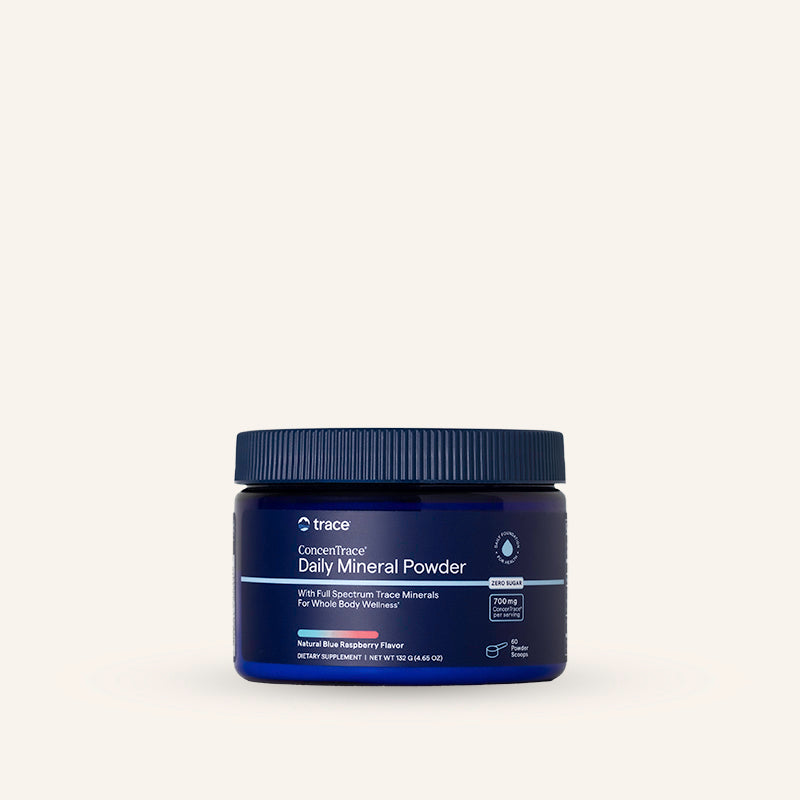
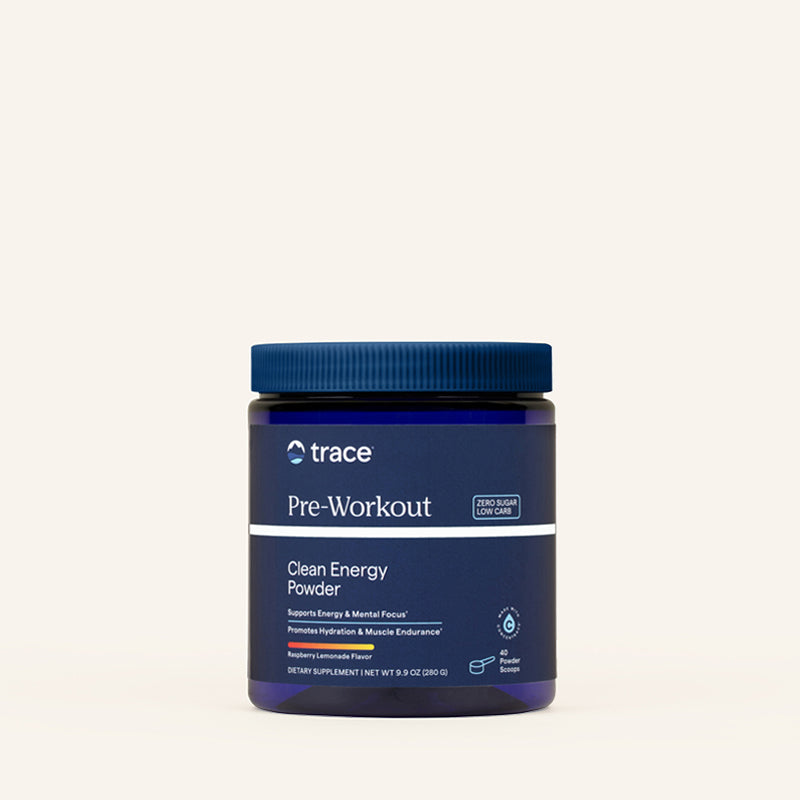
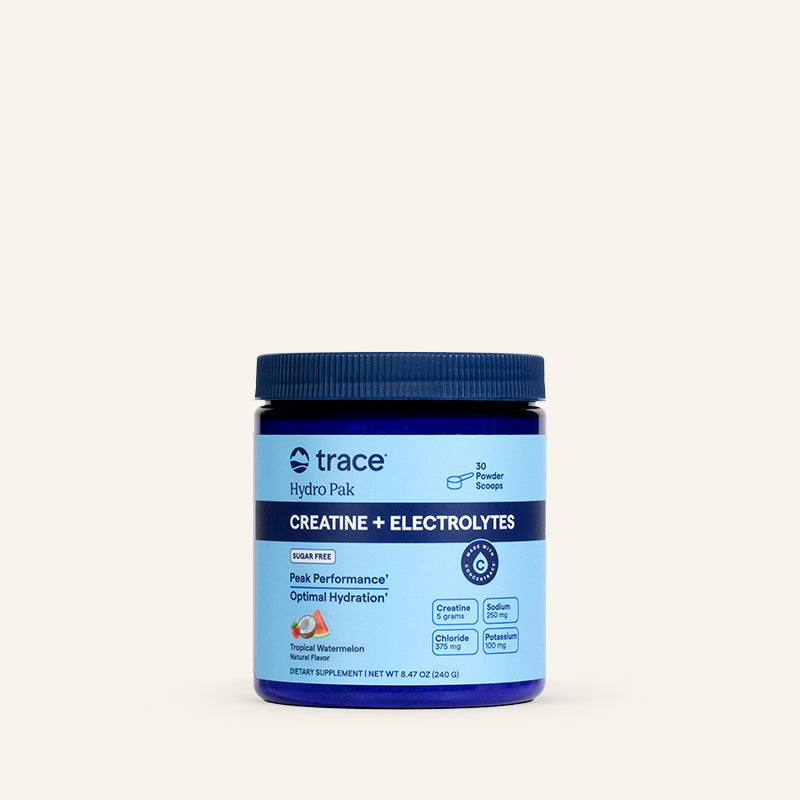

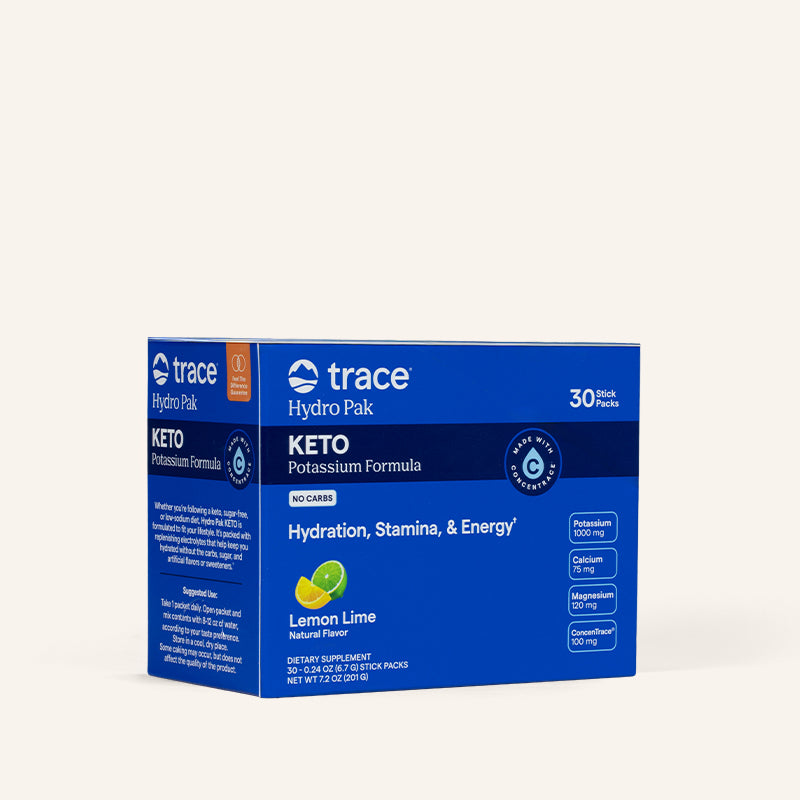
Why Women May Benefit From Creatine
Women face unique physiological considerations that make creatine supplementation potentially valuable across different life stages and activity levels. Understanding what does creatine do for women helps clarify why many active women include it in their training and wellness routines.
Hormonal Changes And Energy Support During The Menstrual Cycle
Hormonal fluctuations throughout the menstrual cycle affect energy availability, recovery capacity, and muscle protein synthesis. During the luteal phase, for example, metabolic demands increase slightly, and some research suggests women may benefit from additional support for muscle recovery during this time. Creatine provides an accessible way to help maintain consistent energy production throughout the cycling phases.
Muscle Maintenance And Aging In Women
Aging presents another consideration. After age 30, women naturally begin losing muscle mass at a rate of approximately 3% to 5% per decade, a process that accelerates after menopause (Journal of Applied Physiology, 2000). This loss affects strength, metabolic health, bone density, and functional independence. Creatine has been studied for its potential role in supporting muscle maintenance and may help offset age-related muscle decline when combined with resistance training, particularly for creatine for women over 40 seeking to maintain muscle and strength.
Lower Creatine Stores In Plant-Based Diets
Dietary patterns also matter. Women who consume little to no animal products have lower creatine stores by default. While the body can produce some creatine internally, dietary intake accounts for roughly half of daily needs in omnivores (Physiological Reviews, 2000). Vegetarian and vegan women may see greater benefits from supplementation simply because baseline stores are lower.
Beyond these scenarios, creatine supports general physical function aligned with common wellness goals such as maintaining strength, supporting recovery, and preserving lean muscle tissue. These outcomes represent some of the crucial benefits of creatine for women involved in regular physical activity, and pair well with the Best Pre-Workout for Women as recognized by Forbes.

Key Benefits Of Creatine For Strength, Performance, And Muscle Support
Creatine plays a central role in supporting energy availability during high-intensity activity and resistance training. For women and active individuals, consistent creatine intake helps support strength development, training performance, recovery, and lean muscle maintenance as part of structured fitness routines.
- Supports Strength & Power Output: Creatine helps regenerate ATP, the primary energy source used during short bursts of intense activity. With optimal energy availability, muscles are supported in performing additional repetition, managing heavy loads, and supporting strength gains and power during resistance training sessions.
- Supports Performance During High-Intensity Exercise: Creatine benefits activities that involve quick, explosive movements such as squats, deadlifts, sprinting, plyometric training, and Olympic lifts. These exercises rely heavily on rapid ATP regeneration, making creatine especially valuable during short, high-intensity training efforts.
- Helps Maintain Training Volume: By supporting cellular energy availability, creatine helps maintain performance quality throughout demanding workouts. Individuals may feel supported in completing repetitions, maintaining intensity across sets, or sustaining high workloads, thereby providing strong training stimulus and long-term adaptation.
- Supports Repeated Effort Activities: During interval training, circuit workouts, or sports involving repeated bursts of effort, creatine helps sustain performance across multiple rounds. This becomes particularly helpful for training styles that involve short rest periods and frequent high-intensity movements.
- Supports Recovery Between Training Sessions: Creatine may help maintain cellular energy balance after intense exercise and works well alongside targeted Muscle Recovery Supplements for a more complete approach. Some research suggests it may support recovery after demanding training sessions, helping individuals maintain consistent training schedules and physical performance.
- Supports Lean Muscle Development: Creatine supports training quality, helping lean muscle growth over time. Resistance training combined with creatine supplementation has been associated with increases in lean tissue mass compared to training without creatine supplementation.
- Supports Muscle Repair & Adaptation: Research suggests creatine may influence cellular signaling involved in muscle repair. It may support satellite cell activity, which plays a role in muscle recovery and adaptation following exercise-related muscle stress.
- Supports Healthy Body Composition: Lean muscle tissue requires energy even at rest. Supporting muscle maintenance through resistance training and creatine supplementation may help sustain metabolic activity and a balanced body composition over time.
- Supports Muscle Maintenance During Life Transitions: Maintaining muscle mass becomes increasingly important as hormonal changes occur. Strength training, adequate nutrition, and creatine intake may help support muscle preservation and overall physical function during these stages.
Creatine Safety For Women
Decades of research support the safety profile of creatine supplementation. Studies involving women specifically have not identified unique safety concerns or adverse effects that differ from those observed in men.
Kidney Health And Creatine Use
Common myths about creatine persist despite contrary evidence. Creatine does not damage the kidneys in healthy individuals. Multiple long-term studies have examined kidney function markers in people taking creatine for extended periods and found no negative impact. Individuals with pre-existing kidney conditions should consult healthcare providers before supplementation, but this precaution applies broadly to many supplements and medications.
Hydration And Muscle Cramping Myths
Creatine does not cause dehydration or cramping. Early anecdotal reports suggested these concerns, but controlled research has not supported them. In fact, because creatine increases intracellular water retention, it may support cellular hydration status. Athletes should still maintain adequate fluid intake based on activity level and environmental conditions, but creatine does not inherently increase the risk of dehydration. Our Creatine + Electrolytes formula supports both in a single daily serving.
Dosing And Duration
Standard creatine supplementation protocols typically involve either a loading phase followed by maintenance, or a consistent daily dose without loading.
- Loading Phase For Rapid Muscle Saturation: The loading protocol uses 20 grams per day, split into four 5-gram doses, for 5–7 days. This approach rapidly saturates muscle creatine stores. After loading, a maintenance dose of 3–5 grams daily keeps stores elevated.
- Consistent Daily Dose Without Loading: The non-loading approach uses 3–5 grams daily from the start. This method takes approximately 3–4 weeks to fully saturate muscle creatine stores but eliminates the higher-dose loading period. Both approaches ultimately reach the same outcome.
- Creatine Dosing Considerations For Women: Women often weigh less than men and may question whether dosing should vary by body weight. Some research suggests weight-based dosing, but a simple 3–5 gram daily maintenance dose generally works effectively for most women.
- Consistency Matters More Than Exact Timing: The timing of creatine intake appears less important than its consistency. Some research suggests post-workout intake with carbohydrates and protein may slightly support uptake, but maintaining a consistent daily routine remains the most practical strategy.
Practical Ways To Incorporate Creatine
Starting creatine supplementation requires minimal adjustment to existing routines. Creatine monohydrate remains the most studied and cost-effective form and is commonly used in many creatine supplements for women designed for daily performance and recovery support.
- Mix Creatine Easily Into Daily Beverages: Mix creatine powder with water, juice, or add it to protein shakes or smoothies. Creatine dissolves better in warm liquids, though it works at any temperature. Thorough mixing or the use of micronized creatine may reduce the gritty texture.
- Taking Creatine With Meals May Improve Comfort: If you are also wondering about Electrolytes Before or After Workout, timing considerations apply similarly here. Taking creatine with meals may reduce minor gastrointestinal discomfort in some individuals, though this is uncommon at standard doses. Combining creatine with carbohydrates may slightly enhance muscle uptake, but this effect remains modest.
- Daily Consistency Supports Stable Creatine Stores: Consistency matters more than perfection. Missing an occasional dose will not significantly affect muscle creatine stores, but regular daily intake helps maintain saturation levels that support ongoing training and performance benefits.
- Creatine Should Complement Core Wellness Habits: Pairing creatine with Workout Supplements That Work supports a complete approach, and women should continue focusing on foundational practices such as adequate protein intake, progressive resistance training, sufficient sleep, and appropriate calorie intake. Creatine supplementation supports these habits but does not replace them.
- Track Performance To Evaluate Results: Tracking progress helps determine whether creatine supplementation provides noticeable benefits. Record training performance such as weight lifted, repetitions completed, or workout quality.
- Individual Response To Creatine Can Vary: Individual responses to creatine differ. Approximately 20% to 30% of people may experience a little increase in muscle creatine stores with supplementation, often because baseline stores from diet are already high (American Journal of Physiology, 1994). This simply means additional benefits may be limited.
For many active women evaluating supplementation options, creatine monohydrate remains widely recognized as the best creatine for women, thanks to extensive research support and consistent effectiveness.
Disclaimer: This article is for informational and educational purposes only and should not be taken as medical advice. Nutritional needs and supplement use can vary widely from person to person. Always consult with a qualified healthcare professional before making changes to your diet, lifestyle, or supplement routine, especially if you have an existing health condition or take medications. Working with your provider helps ensure safe and effective choices for your individual needs.
Sources:
- Janssen, I., Heymsfield, S. B., Wang, Z., & Ross, R. (2000). Skeletal muscle mass and distribution in 468 men and women aged 18–88 yr. Journal of Applied Physiology, 89(1), 81–88. https://journals.physiology.org/doi/10.1152/jappl.2000.89.1.81
- Wyss, M., & Kaddurah-Daouk, R. (2000). Creatine and creatinine metabolism. Physiological Reviews, 80(3), 1107–1213. https://journals.physiology.org/doi/10.1152/physrev.2000.80.3.1107
- Greenhaff, P. L., Bodin, K., Söderlund, K., & Hultman, E. (1994). Effect of oral creatine supplementation on skeletal muscle phosphocreatine resynthesis. American Journal of Physiology, 266(5), E725–E730. https://journals.physiology.org/doi/10.1152/ajpendo.1994.266.5.E725
Frequently Asked Questions
Creatine is a compound made from three amino acids and stored mainly in skeletal muscle. It helps regenerate ATP, the body’s primary energy molecule, supporting quick energy production during high-intensity activities such as strength training and sprinting.
Yes. Extensive research supports the safety of creatine supplementation for women when used at recommended doses. Long-term studies show no gender-specific safety concerns. Women with existing health conditions should consult a healthcare professional before taking any supplements.
No. Creatine does not cause excessive muscle growth in women. Any early weight change usually reflects increased water stored inside muscle cells rather than fat gain or unwanted muscle bulk.
Women typically take either a loading phase of 20 grams daily for 5–7 days, followed by 3–5 grams daily, or simply 3–5 grams daily without loading. Both approaches effectively increase muscle creatine stores.
Research shows creatine supplementation supports strength, power output, and training performance in women. Benefits often include optimal training volume and performance during high-intensity activities when combined with structured exercise programs.
Creatine may support recovery by helping maintain cellular energy levels and supporting muscle repair processes. Some research indicates reduced muscle damage markers after intense exercise, complementing proper nutrition, rest, and training strategies.


