


Creatine and Electrolytes
Creatine + Electrolytes brings two foundational performance supports into one daily routine. At Trace, we combine creatine and electrolytes to help maintain hydration balance while supporting muscle function during training, activity, and recovery. Minerals and electrolytes help fluid balance, while creatine supports short bursts of energy during strength and power movements.
Filters
Filters


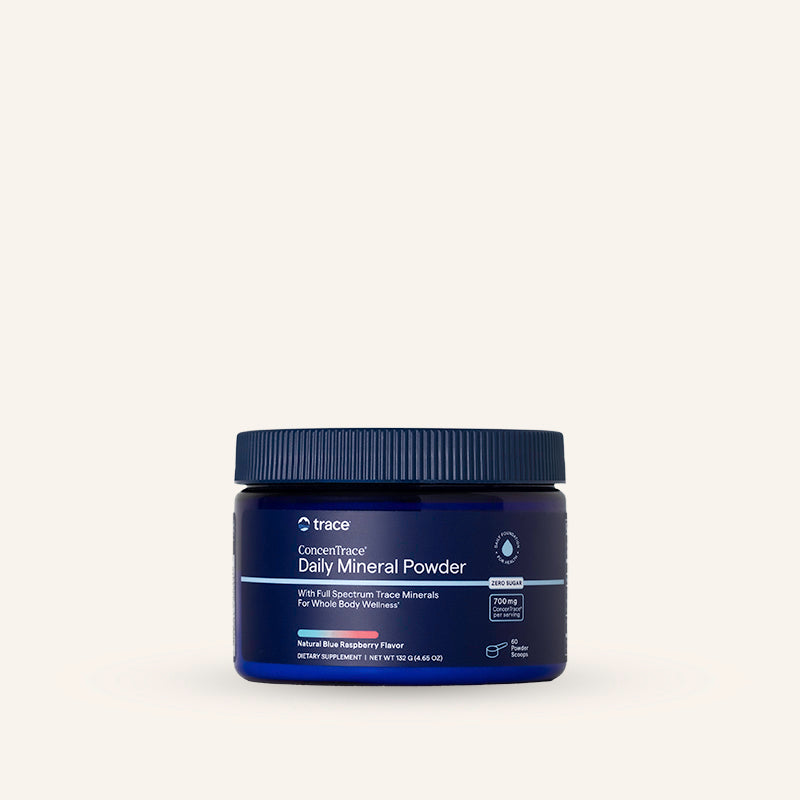

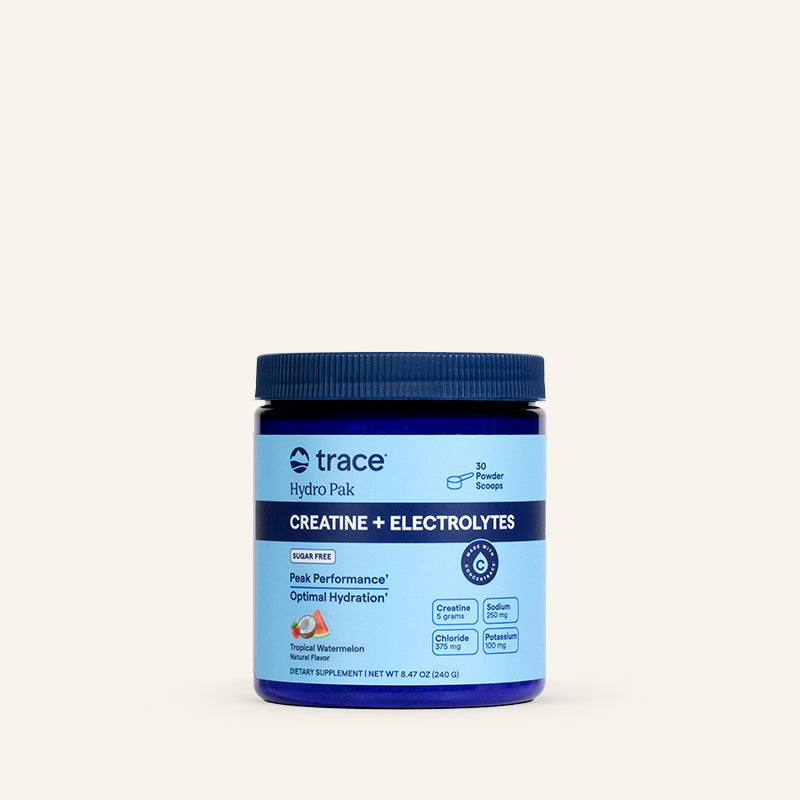

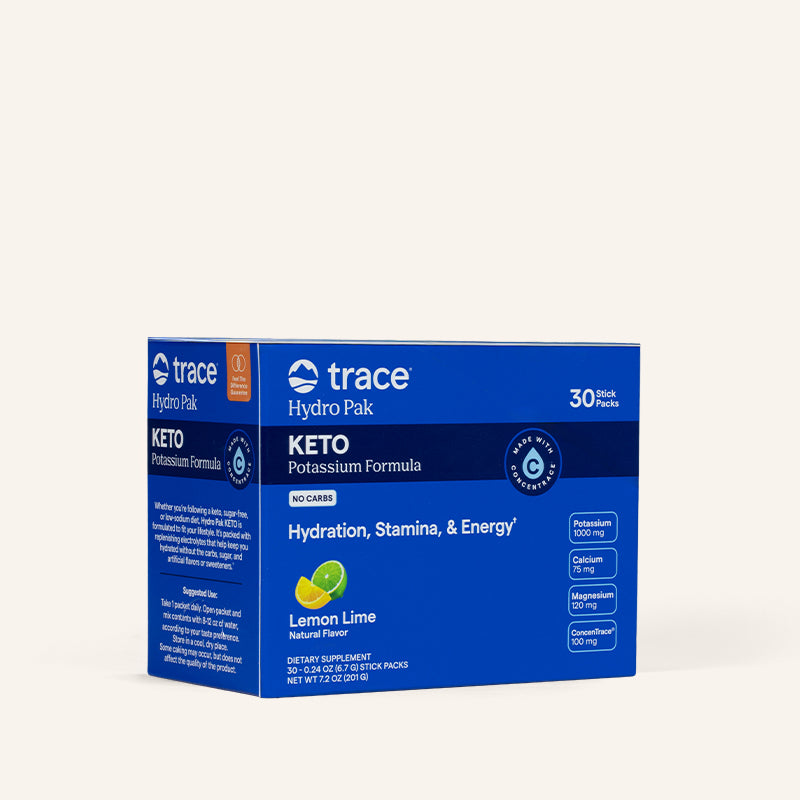
Electrolytes And Creatine: Understanding Two Essential Nutrients
Creatine and electrolytes serve distinct roles in the body, but both support aspects of physical activity and overall function.
What Creatine Is And How It Supports Energy Production
Creatine is a naturally occurring compound made from amino acids. The body produces some creatine internally and obtains the rest from animal-based foods such as red meat and fish. It is stored primarily in muscle tissue, where it helps regenerate adenosine triphosphate (ATP), the molecule that provides energy for cellular processes during short bursts of intense activity.
What Electrolytes Are And Why The Body Needs Them
Electrolytes are minerals that carry electrical charges when dissolved in water. They include sodium, potassium, magnesium, calcium, and chloride, among others. These minerals help maintain fluid balance inside and outside cells, support nerve impulses, and enable muscle contractions. The body loses electrolytes through sweat, urine, and other processes, making consistent intake necessary.
How Creatine And Electrolytes Work Together In The Body
While creatine supports energy production at the cellular level, electrolytes help maintain the conditions that allow muscles and nerves to function properly. Neither replaces the other. Both contribute to different aspects of physical performance and recovery. Our Creatine + Electrolytes product brings both into a single, straightforward formula.

How Creatine Supports Energy Production
Creatine functions primarily as an energy buffer during high-intensity, short-duration activities. When muscles contract rapidly, such as during sprinting, jumping, or lifting, they rely on ATP for immediate energy. ATP stores deplete quickly, often within seconds.
Creatine Phosphate Helps Regenerate ATP
Creatine phosphate stored in muscle cells helps regenerate ATP by donating a phosphate group to adenosine diphosphate (ADP), converting it back to ATP. This process allows for continued energy output during brief periods of maximal effort.
Research On Creatine And Performance Support
Research has examined creatine supplementation extensively. Studies suggest it may support muscle creatine stores, particularly in individuals with lower baseline levels. This can translate to supported performance in activities that require repeated bursts of intense effort.
Creatine Supports Energy, But Not Hydration Balance
Creatine does not directly affect hydration or electrolyte balance. Its role is specific to cellular energy metabolism. This is why pairing creatine with adequate electrolyte intake can support more complete performance and recovery strategies. For those wondering, does creatine have electrolytes? The answer is no. Creatine differs from minerals in that it focuses specifically on energy metabolism.
The Role Of Electrolytes In Hydration And Performance
Electrolytes help the movement of water into and out of cells, maintain blood volume, and support the electrical signals that control muscle contractions and nerve function.
Key Electrolytes And Their Functions In The Body
- Sodium & Fluid Balance Support: Sodium helps retain fluid in the bloodstream and supports nerve signaling, playing an important role in maintaining proper hydration levels and supporting fluid distribution during daily activity and physical exertion.
- Potassium & Cellular Balance: Potassium works inside cells to balance sodium's effects and supports muscle function, contributing to proper nerve communication and helping maintain the electrical gradients required for normal muscle contractions.
- Magnesium & Enzymatic Activity: Magnesium is involved in hundreds of enzymatic reactions, including those related to energy production and muscle relaxation, making it an important mineral for maintaining metabolic processes and supporting normal muscular activity.
- Calcium & Muscle Contraction: Calcium supports muscle contraction and bone structure, playing a key role in signaling pathways that trigger muscle movement and in skeletal strength and structural stability.
- Chloride & Fluid Regulation: Chloride helps maintain fluid balance and supports digestion. It works alongside sodium to support fluid movement throughout the body and to help produce digestive acids in the stomach.
Sweat Loss And Electrolyte Balance During Exercise
During physical activity, sweat loss increases. Sweat contains sodium, chloride, potassium, and smaller amounts of other minerals. If electrolyte losses exceed intake over time, the body may experience imbalances that affect performance, recovery, and overall function. It’s critical to understand what happens when you're low on electrolytes, as it’s more than simple fatigue.
Why Electrolyte Intake Matters For Active Individuals
Electrolyte needs vary based on activity level, sweat rate, climate, and individual factors. Athletes engaged in prolonged or intense exercise typically need higher electrolyte intake than sedentary individuals. However, even moderate activity increases mineral loss, underscoring the importance of consistent replenishment for active routines.
Full-Spectrum Minerals vs. Single-Nutrient Supplements
Many electrolyte products focus on sodium, potassium, and magnesium. These are the primary electrolytes lost in sweat and the ones most directly tied to hydration and muscle function. However, the body relies on dozens of trace minerals to support enzyme function, antioxidant activity, and cellular processes.
- Difference Between Single Nutrient & Full-Spectrum Mineral Support: Single-nutrient supplements provide targeted support but may not address broader mineral balance. Full-spectrum mineral supplementation, such as ionic trace minerals from the Great Salt Lake, provides over 70 naturally occurring minerals in ratios that reflect the body's needs.
- Trace Minerals Support Multiple Physiological Functions: Trace minerals include zinc, selenium, copper, manganese, chromium, molybdenum, and others. While required in smaller amounts than primary electrolytes, they play essential roles in immune function, antioxidant defenses, blood sugar support, and protein synthesis.
- Combining Creatine With Full-Spectrum Minerals For Nutritional Balance: For active individuals, combining creatine with full-spectrum minerals rather than isolated electrolytes may support more complete nutritional balance. This approach helps ensure the body receives minerals lost through sweat, along with trace elements needed for broader metabolic support.
Many athletes ask, "Can you mix creatine with electrolytes?" Using a balanced mineral source alongside creatine can support a well-rounded routine.
Why Trace Minerals Matter Alongside Creatine
- Minerals Support Energy Production Pathways: Creatine supports energy production, but energy metabolism depends on multiple mineral-dependent enzymes. Magnesium is required for ATP synthesis and creatine kinase activity. Zinc supports protein synthesis and recovery. Selenium functions as an antioxidant, helping protect cells from oxidative stress during intense exercise.
- Mineral Balance Supports Overall Performance Nutrition: When individuals supplement with creatine but neglect broader mineral intake, they may address one aspect of performance while leaving others unsupported. Trace minerals help create the conditions that allow creatine and other nutrients to function optimally.
- ConcenTrace Trace Mineral Drops Provide Ionic Trace Mineral Support: ConcenTrace Trace Mineral Drops provide a concentrated source of trace elements in ionic form. This means the minerals are dissolved in water and carry electrical charges, which may support efficient absorption and utilization by the body.
Absorption And Bioavailability Considerations
Not all mineral supplements are absorbed equally. Factors that affect absorption include the mineral form, the presence of cofactors, gut health, and the timing of intake.
- Ionic Minerals & Natural Mineral Sources: Ionic minerals are already dissolved and carry electrical charges, which may facilitate movement across cell membranes. This form is found naturally in ocean water and the Great Salt Lake, where minerals have been concentrated over time through evaporation.
- Different Mineral Forms Used In Supplements: Some mineral supplements use chelated forms, in which minerals are bound to amino acids or other organic acids to improve absorption. Others use oxide or carbonate forms, which may have lower bioavailability.
- ConcenTrace Trace Mineral Drops Provides Minerals In Ionic Form: ConcenTrace provides minerals in the ionic form they naturally occur in the Great Salt Lake. This approach supports the body's ability to recognize and utilize the minerals without requiring extensive breakdown or conversion.
- Combining Creatine With Full-Spectrum Ionic Minerals: When combining creatine with electrolytes, choosing a full-spectrum ionic mineral source may offer broader support than isolated electrolyte products.
This approach reflects how many athletes integrate electrolytes with creatine to support hydration, energy metabolism, and mineral balance during demanding training routines.
Daily Remineralization For Active Individuals
Active individuals lose minerals through sweat, urine, and metabolic processes. Replacing these minerals consistently helps maintain the foundation for energy production, muscle function, and recovery.
- Daily Remineralization Supports Consistent Mineral Intake: Daily remineralization does not require complex protocols. It involves incorporating mineral-rich foods, adequate water intake, and supplementation when needed.
- Whole Foods Contribute To Mineral Intake: Whole foods provide minerals in balanced ratios. Leafy greens, nuts, seeds, fish, and dairy products all contribute to mineral intake. However, modern farming practices, food processing, and water filtration may reduce mineral content in many diets.
- Full-Spectrum Trace Mineral Supplementation Helps Fill Dietary Gaps: Understanding how to replenish electrolytes through both food and supplementation is a practical starting point. ConcenTrace, a full-spectrum trace mineral supplement, helps fill dietary gaps. Because ConcenTrace is available in multiple formats, drops, powders, tablets, and capsules, it integrates easily into existing routines.
Building A Sustainable Routine
Sustainability in supplementation means creating habits that fit naturally into daily life without requiring constant adjustment or excessive effort. Knowing workout supplements that work for your goals is a useful first step before building that routine.
- Assess Current Mineral Intake & Lifestyle Factors: Start by assessing current mineral intake. Consider dietary sources, water quality, and activity level. If mineral intake from food and water is limited, supplementation becomes more important.
- Choose Supplement Formats That Fit Daily Preferences: Choose formats that align with personal preferences. Some individuals prefer adding mineral drops to water throughout the day. Others prefer taking tablets or capsules with meals. Powders can be mixed into beverages or smoothies.
- Consistency Supports Long-Term Mineral Intake: Consistency matters more than timing for most minerals. Unlike some nutrients that require specific timing for optimal absorption, trace minerals support ongoing processes throughout the day. Taking them at the same time each day helps build a reliable habit.
Timing And Integration Strategies
While precise timing may not be critical for most minerals, certain considerations can help optimize a routine.
- Taking Minerals With Meals May Support Absorption: For some individuals, taking minerals with meals may support absorption, particularly those with sensitive digestion. The presence of food can slow absorption and reduce the likelihood of digestive discomfort.
- Creatine Intake & Post-Workout Nutrition: For creatine, some evidence suggests that combining it with carbohydrates and protein post-workout may support muscle uptake. If you're also wondering about electrolytes before or after a workout, timing can shift depending on activity type and sweat rate. However, consistent daily intake regardless of timing also supports muscle creatine stores over time.
- Creatine And Minerals Can Be Taken Together: If taking both creatine and full-spectrum minerals, they can be consumed together without issue. Creatine does not interfere with mineral absorption, and minerals do not affect creatine uptake.
- Hydration & Mineral Intake Support Fluid Balance: Hydration should remain a priority throughout the day, particularly when using creatine, which increases intracellular water retention. Adding ionic trace minerals to water helps support hydration by providing electrolytes needed to maintain fluid balance.
Sustainable Sourcing And Clean-Label Standards
Trace Minerals sources ionic trace minerals from the Great Salt Lake, which has concentrated minerals over thousands of years through natural evaporation. This sourcing method uses a renewable resource and follows sustainable harvesting practices.
The Great Salt Lake contains over 70 naturally occurring trace minerals in ionic form. These minerals are extracted through solar evaporation, which requires no synthetic processing or chemical alteration.
Clean-label standards are important for individuals seeking transparency in supplementation. ConcenTrace Trace Mineral Drops are non-GMO, kosher, gluten-free, vegan, and halal certified. These certifications reflect a commitment to quality and transparency.
Disclaimer: This article is for informational and educational purposes only and should not be taken as medical advice. Nutritional needs and supplement use can vary widely from person to person. Always consult with a qualified healthcare professional before making changes to your diet, lifestyle, or supplement routine, especially if you have an existing health condition or take medications. Working with your provider helps ensure safe and effective choices for your individual needs.
Frequently Asked Questions
Creatine is a compound derived from amino acids and stored mainly in muscle tissue. It supports energy production by helping regenerate ATP, the body’s immediate energy source, allowing muscles to continue producing force during short, high-intensity physical efforts.
Creatine supports ATP regeneration for short bursts of energy, while electrolytes help maintain hydration, nerve signaling, and muscle contraction. Together, they support both energy output and fluid balance, helping the body perform efficiently during demanding physical activity.
Active individuals lose minerals through sweating while increasing energy demands. Creatine supports ATP regeneration for high-intensity efforts, while electrolytes help maintain hydration, nerve signaling, and muscle function needed for sustained performance and recovery.
Creatine provides targeted support for energy production during intense activity. Full-spectrum trace minerals supply over 70 naturally occurring minerals that support enzyme activity, metabolic balance, and overall physiological function, helping create a broader nutritional foundation alongside targeted supplements.
Ionic minerals are dissolved in water and carry electrical charges, which may help support movement across cell membranes. Because they are already in a dissolved form, they may require less digestive breakdown than oxide or carbonate mineral forms.
Total daily creatine intake is generally more important than exact timing. Many people take it after workouts, while others use it daily. Electrolytes can be consumed before, during, or after activity to support hydration and muscle function.


