


Calcium and Magnesium Supplement
Most people reach for calcium alone, but without magnesium, much of it never gets to work the way your body intends. A calcium and magnesium supplement supports the relationship between these two minerals, helping your body use both more effectively for bones, muscles, and everyday function.
Filters
Filters
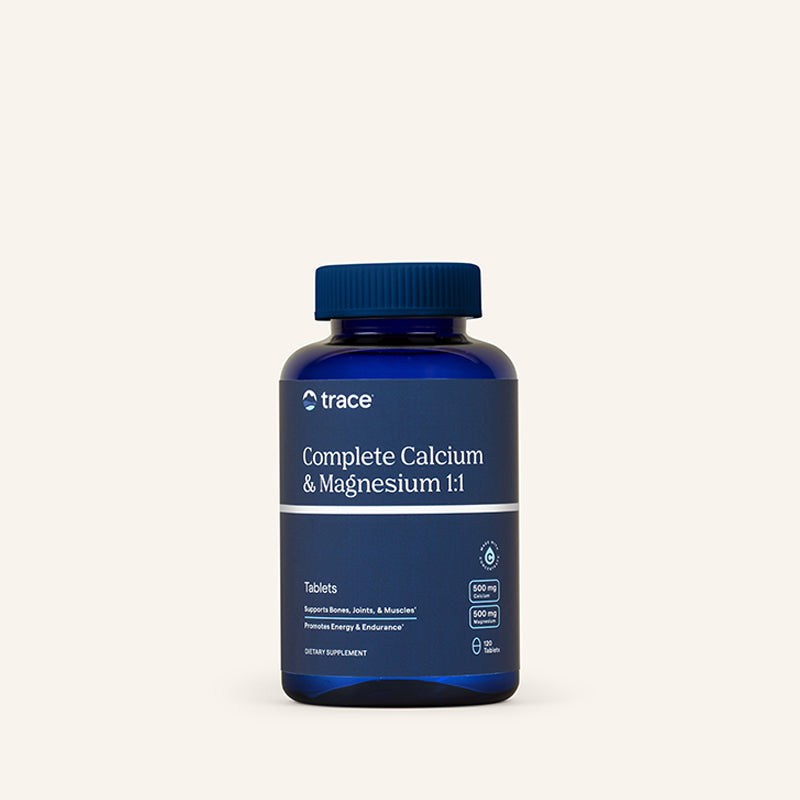
Why Calcium And Magnesium Work Better Together
Calcium and magnesium are both essential minerals, each playing distinct roles in supporting the body's everyday processes. As a calcium and magnesium supplement pairing, their relationship goes deeper than simply fulfilling independent functions. They interact in ways that help maintain long-term mineral balance and promote wellness.
- Calcium supports the structure and strength of bones and teeth and plays a role in muscle contraction and nerve signaling.
- Magnesium is involved in hundreds of enzyme reactions (NIH Office of Dietary Supplements, 2026), helps muscles relax after contraction, and supports energy production.
Consuming these minerals together can help the body maintain a healthy equilibrium.
Here’s why:
- Magnesium helps regulate calcium movement in and out of cells (NIH Office of Dietary Supplements, 2026), supporting balanced muscle function and nerve response.
- Proper magnesium levels support the body’s ability to absorb and utilize calcium efficiently, reducing the likelihood of calcium deposits where they’re not needed.
- A balanced calcium-to-magnesium intake is linked to promoting strong, steady muscle rhythms and supporting everyday movement.
The modern diet, focused on convenience and often low in whole foods, may not supply consistent amounts of both minerals. This dynamic can make mindful supplementation with both calcium and magnesium a practical way to support balance, hydration, and the daily functions the body relies on most.
Types Of Calcium And Magnesium Used In Supplements
When it comes to calcium and magnesium supplements, not all forms are created equal. The type of mineral used can impact how well the body absorbs and utilizes these essential nutrients. Here’s a clear look at the most common forms of calcium and magnesium found in supplements, and how they support everyday wellness:
Common Types Of Calcium In Supplements
- Calcium Carbonate: A widely used form, calcium carbonate typically contains the highest percentage of elemental calcium. It is best absorbed when taken with food, as stomach acid helps break it down.
- Calcium Citrate: Known for its high bioavailability, this form doesn’t require stomach acid for absorption, making it a practical choice for individuals with lower stomach acid levels or those who prefer flexibility with meals.
- Calcium Lactate & Calcium Gluconate: These forms are absorbed efficiently but contain less elemental calcium per dose, so servings may need to be larger to match the mineral content of other types.
Common Types Of Magnesium In Supplements
- Magnesium Oxide: Popular for its high magnesium content but known for lower bioavailability compared to other forms. Some people use this form to help promote regularity.
- Magnesium Citrate: Well-absorbed and frequently recommended for daily support. Recognized for promoting gentle hydration and balance in the body.
- Magnesium Glycinate: Known for being gentle on the digestive system and suitable for people who prefer a form less likely to cause digestive discomfort.
- Magnesium Chloride: Absorbs efficiently and is often found in ionic or liquid mineral blends. Magnesium chloride supports hydration and a range of essential body functions.
Each type of calcium and magnesium comes with its own characteristics and potential advantages. Selecting the right form depends on individual preferences, dietary patterns, and wellness goals. Reading supplement labels and understanding these differences can help support a balanced and informed daily routine.

What To Look For In A Quality Calcium and Magnesium Supplement
Choosing the best calcium and magnesium supplement goes beyond just grabbing any bottle off the shelf.
Here are practical considerations to help find a supplement that works with your body's needs and your wellness goals:
- Bioavailability: Look for forms of calcium and magnesium that the body can recognize and absorb efficiently, such as ionic or chelated minerals.
- Balanced Ratios: A healthy supplement should provide calcium and magnesium in a ratio aligned with nutritional research, typically 2:1 to 1:1, supporting both muscle function and bone structure.
- Full Spectrum Support: Supplements formulated with additional trace minerals can help mimic the mineral profile found in whole foods, supporting comprehensive body functions.
- Source Transparency: Information about how and where minerals are sourced signals quality and responsibility. Sustainably harvested, clearly labeled ingredients support long-term wellness.
- Fewer Additives: Clean labels matter. Look for supplements with minimal fillers, binders, artificial colors, or unnecessary additives.
- Third-party Testing: Certifications such as Non-GMO, Kosher, Gluten-Free, Vegan, or Halal and evidence of third-party testing for purity and potency provide reassurance about product standards.
- Digestibility: Consider the supplement form (liquid, powder, capsule, or tablet) and how it fits with your daily routine. Some people find liquids or powders easier to absorb than tablets.
- Serving Size & Flexibility: Options that offer adjustable dosing or a range of serving sizes can accommodate changing needs over time.
Focusing on these elements helps ensure your magnesium supplement supports daily body functions, movement, and wellness as part of a balanced lifestyle.
When To Consider Adding A Calcium And Magnesium Supplement
Daily routines, age, and shifting nutrition habits can all challenge the body’s mineral balance. While food and water are natural sources of calcium and magnesium, several factors may affect whether you’re actually getting enough for reliable everyday support.
Here's when it may make sense to consider a magnesium and calcium supplement:
- Modern Diets: Highly processed foods, plant-based eating patterns, and reduced intake of mineral-rich ingredients may contribute to lower calcium and magnesium intake.
- Intensive Exercise Or Active Lifestyles: Sweating and muscle contraction can increase the body’s need for both minerals, which support muscle function, recovery, and physical movement.
- Aging: Natural aging can affect mineral absorption and bone density, which may raise the need for reliable dietary sources of calcium and magnesium.
- Strict Dietary Restrictions: Vegan, dairy-free, or low-oxalate diets can sometimes limit consistent access to calcium or magnesium-rich foods.
- Water Filtration: Home water systems and bottled waters often remove naturally occurring minerals, leading to less intake from hydration sources.
- Signs Of Imbalance: Feeling fatigued, experiencing muscle discomfort, or noticing irregularities in movement or sleep patterns can be signals that your routine is worth reassessing.
Adding a supplement can help provide support you’re not getting consistently elsewhere, helping to maintain the steady mineral intake that supports long-term wellness.
Common Forms: Tablets, Capsules, Powders, And Drops
Choosing a calcium magnesium supplement often comes down to selecting the right form for your daily routine.
Each form has practical benefits and considerations for everyday use:
- Tablets: A familiar choice, easy to incorporate into a daily regimen. They often contain additional minerals and ingredients that can support a broader remineralization approach. Some people find them a little larger, so they may not be ideal for those who struggle with swallowing pills.
- Capsules: Capsules tend to be smoother and sometimes smaller than tablets, making them easier to swallow. They typically use fewer binding agents or fillers, and they open quickly in the stomach, supporting mineral bioavailability.
- Powders: Powders dissolve into water or other liquids, making them a flexible option, especially if you prefer to avoid pills altogether. This form is useful for adjusting the dosage and can be mixed into smoothies, shakes, or even plain water. Taste may vary depending on the mineral composition.
- Drops: Liquid drops are among the most customizable options, allowing precise dosing tailored to your needs. Drops work particularly well for those who want to blend minerals into beverages or for anyone who prefers a supplement format without swallowing pills.
Each form provides a unique way to fit calcium and magnesium into a balanced wellness routine. Consider what’s practical for your lifestyle and preferences as you look for consistent, everyday support.
How Much Calcium And Magnesium Do You Need Daily
Getting the right amount of calcium and magnesium each day is crucial to keep core body functions operating smoothly. Both minerals play key roles in muscle movement, nerve signaling, and bone structure, but the specifics matter when aiming for long-term wellness.
Here’s a snapshot of daily needs for most adults:
- Calcium: General recommendations for adults fall between 1,000 and 1,200 mg per day (NIH Office of Dietary Supplements, 2024). Individuals with higher activity levels or older adults may need to be on the upper end of this range.
- Magnesium: Most adults benefit from 310 to 420 mg of magnesium per day (NIH Office of Dietary Supplements, 2026), with men typically requiring a bit more than women.
Actual requirements can depend on factors like age, sex, activity level, and overall health status. Diet, lifestyle, and certain life stages, such as pregnancy or aging, can also impact individual needs.
Calcium and magnesium should be balanced rather than taken in isolation. High intake of one can affect absorption of the other, so a well-rounded approach is best. For those looking to cover even more ground, a calcium, magnesium, and zinc supplement adds zinc to the mix, supporting immune function and enzyme activity alongside bone and muscle health. Whole foods such as leafy greens, nuts, seeds, whole grains, and dairy provide both minerals, but many find supplements helpful for meeting targets.
How Multiminerals Fit Into A Daily Wellness Routine
Incorporating multiminerals into everyday habits helps support the body's natural balance and long-term wellness. Calcium and magnesium, in particular, play distinct roles across a wide range of daily functions, from movement and muscle activity to maintaining hydration. For those with higher activity demands or dietary gaps, a calcium, magnesium, and potassium supplement can further support fluid balance and muscle function by adding potassium, a key electrolyte the body relies on daily.
Here’s how these minerals commonly fit into routine wellness practices:
- Morning Hydration: Adding a calcium-magnesium supplement to your morning water or smoothie can help replenish minerals occasionally lost during sleep and overnight hydration.
- Meal Support: Taking multiminerals alongside meals may provide nutritional balance, as these minerals can work together with food-based nutrients to support absorption and utilization.
- Active Lifestyles: Those engaged in regular exercise often use calcium and magnesium to help support muscle function and efficient recovery, particularly after sweat-driven activities that may contribute to mineral loss.
- Evening Rituals: Including multiminerals in an evening routine may support relaxation and balanced rest cycles, as magnesium is known to help the body wind down.
- Ongoing Hydration: Modern water filtration, while effective at removing impurities, can also reduce the natural mineral content in water. Multimineral supplementation is one way people help restore what contemporary lifestyles may filter out.
Multiminerals are not a substitute for a varied, nutrient-rich diet, but they do provide practical daily support for those looking to maintain wellness and balance through the benefits of essential minerals.
Disclaimer: This article is for informational and educational purposes only and should not be taken as medical advice. Nutritional needs and supplement use can vary widely from person to person. Always consult with a qualified healthcare professional before making changes to your diet, lifestyle, or supplement routine, especially if you have an existing health condition or take medications. Working with your provider helps ensure safe and effective choices for your individual needs.
Frequently Asked Questions
Calcium and magnesium supplements may support adults seeking to replenish essential minerals that are not always available in modern diets. They can also help those interested in promoting bone, muscle, and nerve function. Individuals with increased mineral needs, such as active adults, aging populations, or people consuming processed foods, may consider adding a supplement. Consulting a health professional is recommended for personalized guidance.
Dosage can depend on age, diet, and individual needs. Most guidelines suggest adults require about 1,000 mg of calcium and 310–420 mg of magnesium daily from all sources. Check the supplement label for specific instructions and consult a nutritionist or healthcare provider for recommendations that fit your routine.
Some people may experience digestive changes, such as mild stomach upset or changes in bowel regularity, especially at higher doses. Taking supplements with food or in divided doses can help minimize discomfort. If concerns or persistent effects arise, consult with your healthcare professional.
Calcium and magnesium play important roles in pregnancy, supporting the development of bones, teeth, and muscle function. If you are pregnant or planning a pregnancy, consult your healthcare provider to determine the appropriate mineral intake for your situation.
Calcium and magnesium can be taken together. Both minerals support muscle contraction and relaxation, bone health, and energy production. Many find that combining them in a balanced ratio, as in Trace Minerals supplements, helps support daily wellness and balance.
These minerals may be taken with meals for optimal absorption and to minimize digestive discomfort. Some people find splitting the daily dose between morning and evening is most convenient, especially if taking higher amounts.


