


Bone Health Supplements
For optimal wellness, the foundation of strong bones cannot be overstated. With the modern diet often falling short in providing all the necessary nutrients for robust bone health, supplements have emerged as a critical ally in filling these nutritional gaps.
Filters
Filters
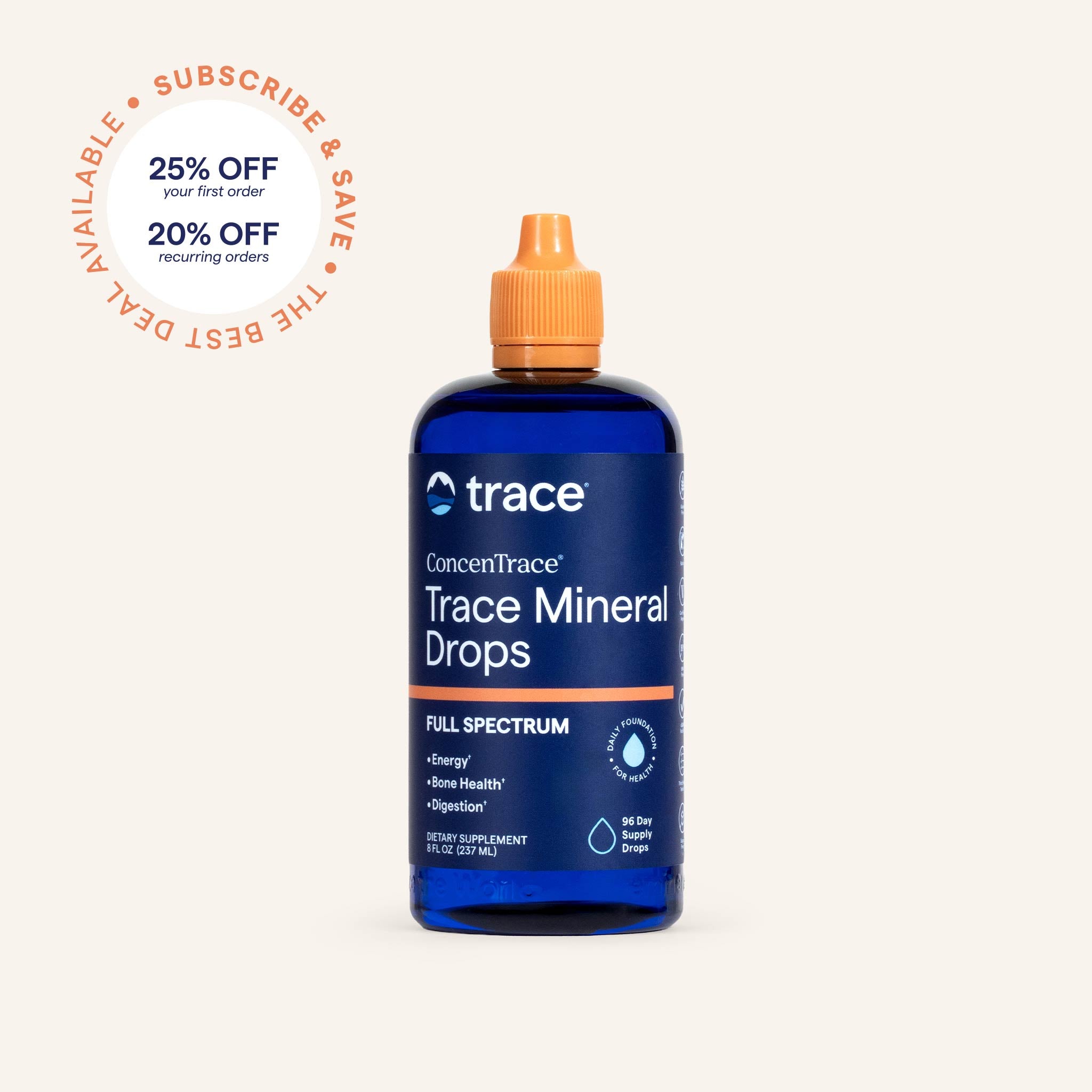
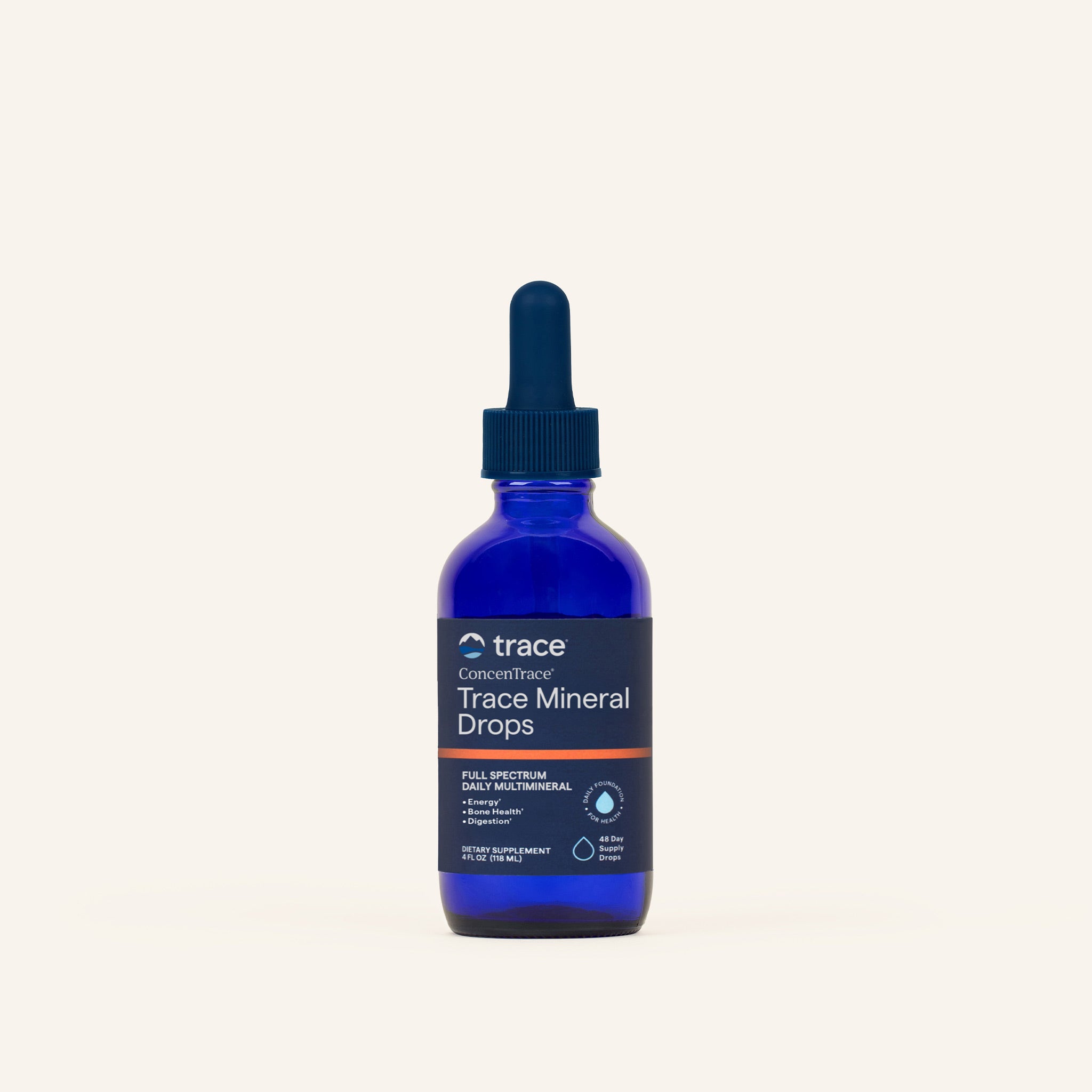
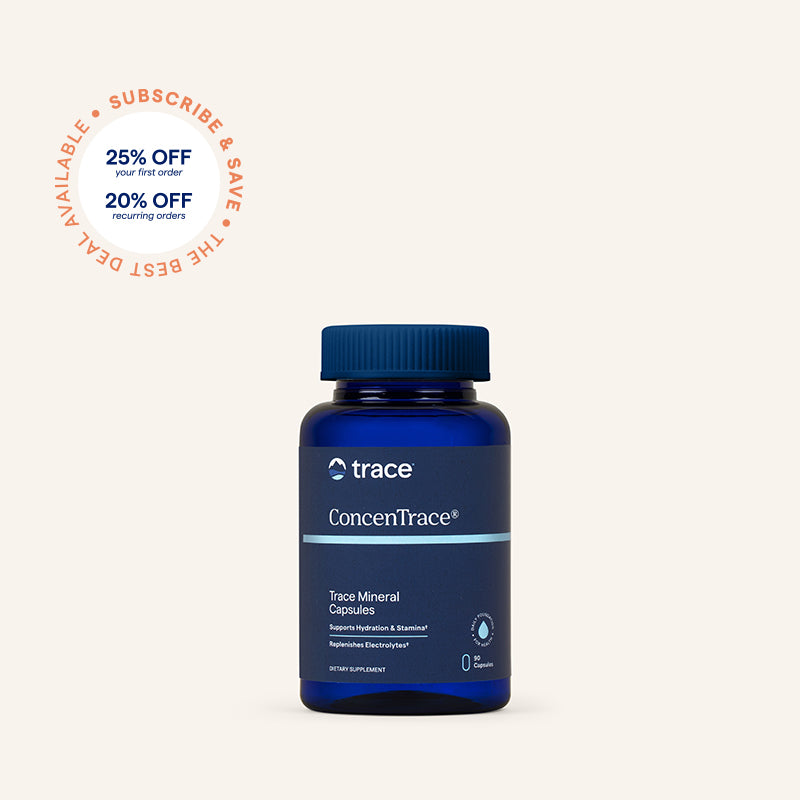
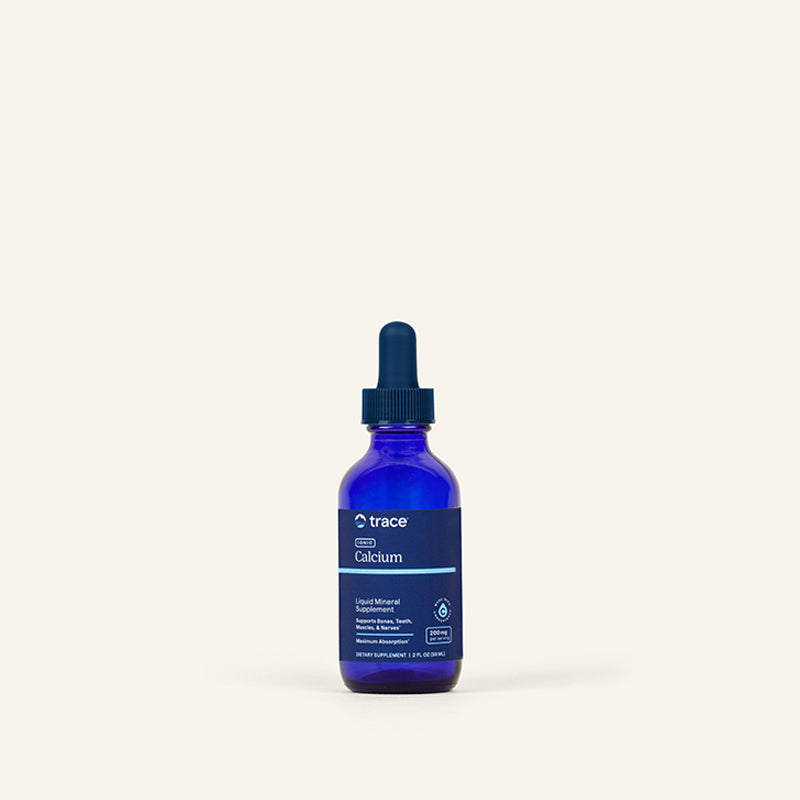
Key Takeaways:
- Essential Minerals For Optimal Bone Health: Trace supplements provide essential minerals from the Great Salt Lake to address common mineral insufficiency and enhance bone health.
- Vital Nutrients For Bone Strength: Key nutrients like calcium, vitamin D, magnesium, and phosphorus are vital for bone strength and are effectively delivered through Trace Minerals products.
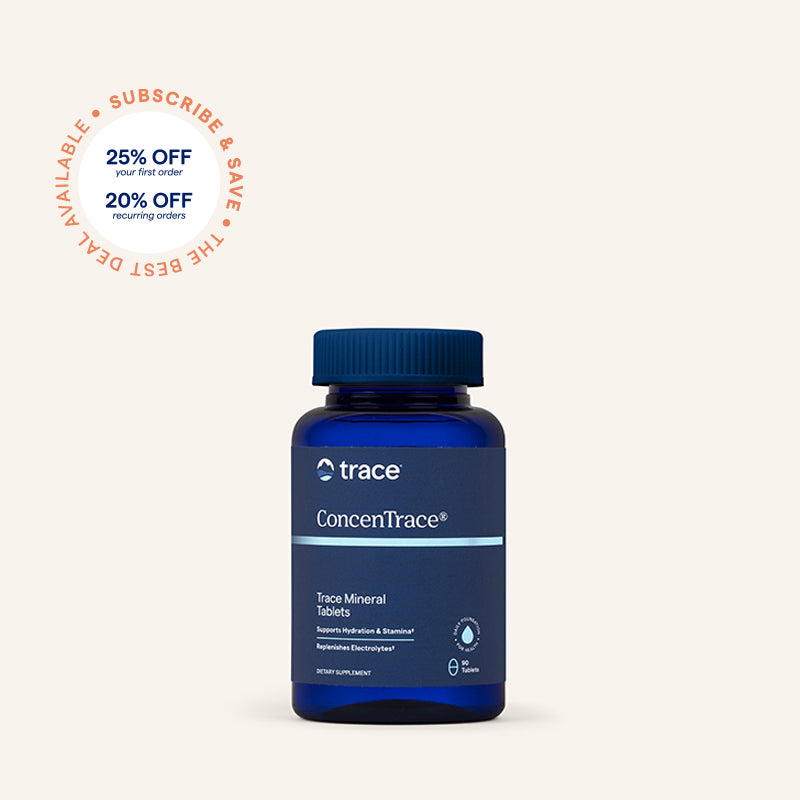
- Comprehensive Support For Bone Density: Bone health supplements fortified with ConcenTrace support bone density, prevent mineral deficiencies, and promote overall well-being. They are particularly beneficial for those with dietary insufficiencies, older adults, and athletes.
What Are Bone Health Supplements?
Bone health supplements are specially formulated to bolster bone density, strength, and overall skeletal health. These supplements are a critical component of preventive health care for individuals at risk of bone density loss, such as those experiencing age-related decrease, post-menopausal women, or individuals with dietary insufficiencies that impact mineral intake. The primary goal of bone health supplements is to supply the body with essential nutrients, primarily calcium and vitamin D, which are vital for forming and maintaining healthy bones.
Bone health supplements come in various forms, including tablets, capsules, powders, and liquids, to cater to different preferences and absorption capabilities. Choosing a supplement that aligns with scientific research and contains high-quality, sustainably sourced ingredients is pivotal.
Take charge of your bone health with Trace Minerals Bone Health Supplements, enriched with ConcenTrace®, for unparalleled mineral support. Strengthen your bones, enhance density, and prevent deficiencies with our scientifically crafted formula. Don’t let a lack of nutrients hold you back—experience the difference in your overall well-being today. Shop now and build a stronger you.
Essential Nutrients For Strong Bones
For robust bone health, it's crucial to focus on the specific nutrients foundational to maintaining and enhancing the structural integrity of our skeletons. Key among these are calcium, vitamin D, magnesium, and phosphorus—all integral components that work synergistically to ensure our bones are strong and resilient against the challenges of time and lifestyle.
Calcium
Calcium is the cornerstone of bone health, acting as the primary building block for your skeletal structure. However, calcium's effectiveness is significantly amplified when combined with Vitamin D, which is critical in calcium absorption and bone growth. Without sufficient vitamin D, our bodies cannot absorb calcium effectively, making it essential to ensure both nutrients are adequately sourced in our diets or through high-quality bone health supplements.
Magnesium
Magnesium is another vital nutrient that deserves attention. It aids in converting vitamin D to its active form, further facilitating calcium absorption. Moreover, magnesium supports the health of the bone matrix, providing a framework that enhances durability and strength. A magnesium deficiency can lead to weakened bones and an increased risk of fractures.
Phosphorus
Phosphorus works closely with calcium to build strong bones and teeth. Approximately 85% of the body's phosphorus is found in bones and teeth, illustrating its critical role in bone health. Balancing calcium with phosphorus ensures the body can properly mineralize bone tissue, which is essential for maintaining bone density and overall skeletal integrity.
Supplements must be comprehensive to support bone health, providing these essential nutrients in forms the body can easily absorb and utilize. That's where products enhanced with ConcenTrace come into play. Our unique blend of minerals, derived from the concentrated waters of the Great Salt Lake, ensures that you're getting these foundational nutrients and a spectrum of trace minerals essential for optimal bone health.

Benefits Of Taking Bone Health Supplements
Bone health should never be overlooked when maintaining a robust and active lifestyle. Bone health supplements, enriched with essential minerals like those found in ConcenTrace, ensure your skeletal system remains strong and resilient. Understanding the benefits of incorporating these supplements into your daily regimen can illuminate how they are the fundamental building blocks for a healthier body and a more vibrant life.
- Enhanced Bone Density: Our bones naturally lose density as we age, making them more susceptible to fractures and osteoporosis. Bone health supplements are rich in calcium, magnesium, and other pivotal minerals essential for bone formation and maintenance, helping combat the natural decline in bone density.
- Improved Joint Health: Beyond the bones, bone health mineral supplements support joint health and mobility. Magnesium, for example, regulates muscle and nerve function, both of which are vital for maintaining joint elasticity and movement.
- Optimal Nutrient Absorption: Our proprietary ConcenTrace formula acts as a catalyst for nutrient absorption. These supplements enhance the body’s ability to absorb and effectively use calcium, magnesium, and other required nutrients.
- Supports Overall Well-being: The benefits of taking bone health supplements extend beyond the skeletal system. The minerals they provide are significant in various body functions, including hormonal balance, nerve transmission, and muscle function. This holistic approach to health supports the bones and the entire body.
- Prevention Of Mineral Deficiencies: Given our modern diets and the depletion of minerals in the soil, achieving the optimal intake of essential nutrients through food alone can be challenging. Bone health supplements ensure you meet your daily mineral requirements, preventing deficiencies that can compromise bone integrity and general health.
Who Should Consider Bone Health Supplements?
Bone health is fundamental to our overall well-being, impacting our mobility and quality of life as we age. Given minerals' critical role in bone density and strength, bone health supplements enriched with essential minerals can be a cornerstone of maintaining and enhancing bone health.
But who exactly should consider integrating these supplements into their daily routine?
Individuals With Mineral Insufficient Diets
Maintaining a diet that sufficiently covers all essential minerals can be challenging in our modern world. Processed foods, soil depletion, and lifestyle choices can all contribute to a mineral-insufficient diet. People who struggle to meet their daily mineral needs through food alone should consider bone health supplements a reliable source of essential minerals for robust bone structure.
Postmenopausal Women
The drop in estrogen levels during menopause can lead to a decrease in bone density, making postmenopausal women particularly susceptible to osteoporosis. Bone health supplements, especially those containing minerals like calcium, magnesium, and ConcenTrace—a powerful mineral complex—can support bone density and reduce the risk of fractures.
Older Adults
Our bones naturally lose density and strength as we age, increasing the risk of fractures. Older adults, specifically those over 50, can significantly benefit from bone health supplements. These supplements can help slow down the rate of bone density loss, ensuring stronger bones for a longer period.
Individuals With Bone Health Disorders
People diagnosed with bone health disorders, such as osteoporosis and osteopenia, or those with a family history of these conditions should consider bone health supplements as part of their management strategy. By supplying the body with essential minerals, these supplements can play a critical role in maintaining bone health and preventing further deterioration.
Athletes And Physically Active Individuals
High-impact sports and rigorous training can significantly stress the bones, increasing the need for supportive nutrients to ensure bone resilience and recovery. Athletes and physically active individuals can benefit from bone health supplements to support their skeletal system, potentially enhancing performance and reducing the risk of injuries.
Understanding Supplement Labels And Dosage
Understanding supplement labels and recommended dosages is critical when navigating the world of bone health supplements. The information on these labels offers a transparent overview of what you're consuming and ensures that you take the supplement safely and effectively.
Here, we'll break down key components of supplement labels and discuss dosages, empowering you to make informed decisions for your bone health:
Active Ingredients
The label on your bone health supplement will list all active ingredients, including essential minerals like calcium, magnesium, and vitamin D, which are crucial for bone density and health. Pay attention to the form of these minerals (e.g., calcium carbonate vs. calcium citrate), as different forms have different absorption rates and effects.
Servings Size And Servings Per Container
The "Serving Size" section informs you about the quantity of a single dose, while "Servings Per Container" tells you how many doses are in the entire package. Adhering to the recommended serving size is important to avoid overconsumption of certain minerals, which can lead to adverse effects.
Percent Daily Values (%DV)
Percent Daily Values (%DV) indicate how much each nutrient in a supplement serving contributes to a daily diet. These values are based on a 2,000-calorie diet, which may not apply to everyone. For bone health minerals, ensure that the %DV aligns with your dietary needs and the advice of healthcare professionals.
Additional Ingredients
Supplement labels also list ingredients such as fillers, binders, and flavorings. If you have allergies or sensitivities, paying attention to these components is crucial for avoiding adverse reactions.
Quality And Certification Seals
Look for seals from third-party organizations (such as USP, NSF, or Non-GMO Project Verified) that indicate the supplement has been tested for quality, purity, and potency. These certifications can provide an added layer of trust in the supplement's safety.
Dosage Recommendations
Adhering to dosage recommendations is pivotal for the effectiveness of any bone health supplement. Dosages can vary based on individual health needs, age, and gender. It's always advisable to consult with a healthcare provider to determine the optimal dosage for your specific needs and to ensure it aligns with other aspects of your health regimen.
Read also:
- Electrolytes For Endurance: How Do They Help?
- Why Women Should Prioritize Calcium in Their Diets
- 18 Reasons Why You Should Take A Zinc Supplement
Sources:
1. Khazai, N., Judd, S. E., & Tangpricha, V. (2008). Calcium and vitamin D: skeletal and extraskeletal health. Current rheumatology reports, 10(2), 110–117. https://doi.org/10.1007/s11926-008-0020-y
2. Kunutsor, S. K., Whitehouse, M. R., Blom, A. W., & Laukkanen, J. A. (2017). Low serum magnesium levels are associated with increased risk of fractures: a long-term prospective cohort study. European journal of epidemiology, 32(7), 593–603. https://doi.org/10.1007/s10654-017-0242-2
3. Goretti Penido, M., & Alon, U. S. (2012). Phosphate homeostasis and its role in bone health. Pediatric nephrology (Berlin, Germany), 27(11), 2039–2048. https://doi.org/10.1007/s00467-012-2175-z
Frequently Asked Questions
Foundational minerals, such as calcium, magnesium, zinc, and phosphorus, support bone structure, density, and strength. These nutrients work together to maintain resilience, support regeneration, and keep the skeletal system functioning properly throughout all stages of life. Understanding approaches like how to strengthen bones naturally can also help guide long-term bone wellness through balanced nutrient intake.
- Calcium is often regarded as the cornerstone of bone strength, as it is essential for maintaining bone density and structural integrity. Most adult bone mass is composed of calcium, but the body does not produce this mineral internally, so dietary intake is vital.
- Magnesium: Magnesium works in conjunction with calcium to help regulate bone formation and development. It facilitates the conversion of vitamin D into its active form, which is crucial for calcium absorption. Adequate levels may support bone flexibility and density.
- Phosphorus: Present in every cell in the body, phosphorus pairs with calcium to create hydroxyapatite, the mineral structure that imparts bones with their rigidity and strength. Balanced phosphorus intake is crucial; excessive or inadequate intake can disrupt overall bone health.
- Zinc: Zinc plays a role in the activity of bone-forming cells (osteoblasts) and is necessary for the synthesis of collagen, a protein that forms the bone matrix scaffold. It may help facilitate the repair and renewal of bone tissue.
- Trace minerals, including boron, manganese, and copper, collectively support enzymatic processes involved in bone mineralization. Even in small amounts, these micronutrients contribute to bone resilience and long-term wellness.
- Vitamin D & K: While not minerals, vitamins D and K are critical cofactors. Vitamin D helps the body absorb calcium, while vitamin K supports proper binding of calcium in the bone.
Strong bones are the result of a delicate nutrient balance, not just a high intake of a single mineral. A well-rounded approach provides the building blocks bone tissue needs to stay strong, flexible, and resilient over time.
Support your long-term strength with Trace. Our best bone health supplements are crafted to provide essential multiminerals the body relies on for structure, stability, and daily resilience. If you're looking for steady support for bones, joints, and overall mobility, Trace Minerals offers clean, well-balanced formulas designed to fit easily into your wellness routine and keep you moving comfortably.
Calcium supports bone formation, while vitamin D helps the body absorb and use it effectively. Together, they contribute to maintaining bone density, supporting structural strength, and promoting long-term skeletal health.
Understanding how calcium and vitamin D work together is key to supporting bone health:
- Calcium’s Role: Calcium is a fundamental mineral for bone structure, helping to maintain strength and density over time.
- Vitamin D’s Contribution: Vitamin D aids the body’s ability to absorb calcium effectively. Without enough vitamin D, even higher calcium intake might not translate into ideal bone support.
- How The Two Interact: Vitamin D plays a crucial role in increasing calcium absorption from the digestive tract, ensuring the body can utilize calcium efficiently and minimize loss from the bones. Together, they help maintain bone strength and support long-term skeletal health by enhancing the body's ability to process and retain essential minerals.
- Nature & Sustainability: Both nutrients are accessible through natural sources such as leafy greens, fortified plant milks, sunlight exposure, and sustainably sourced fish. For individuals with dietary restrictions, naturally derived or trace-based supplements can help complement daily intake and support consistent bone health.
Prioritizing the synergy between calcium and vitamin D can provide an optimized approach to supporting lifelong skeletal health.
Bone health depends on more than just calcium and vitamin D. A range of trace minerals, naturally present in soil, water, and plant life, play crucial roles in maintaining strong, resilient bones. Research suggests that optimal intake of these multiminerals helps support the body’s natural processes for bone formation and maintenance.
Consider incorporating a variety of trace minerals to nurture skeletal health:
Boron
- Supports the body’s capacity to utilize calcium and magnesium
- Plays a role in bone mineralization and the metabolism of vitamin D
- May help maintain bone density as part of a balanced mineral profile
Zinc
- Contributes to the normal growth and development of bone tissue
- Plays a role in collagen production, an essential part of the bone matrix
- Supports healthy immune function, indirectly benefiting bone health
Manganese
- Acts as a cofactor for enzymes responsible for forming bone, cartilage, and collagen
- Helps support standard bone structure through antioxidant activity
- Involved in synthesizing connective tissue and bone metabolism
Including trace minerals like boron, zinc, and manganese may support overall bone integrity, especially when combined with a nutrient-dense diet and a healthy lifestyle. These micronutrients serve as critical building blocks for skeletal health, working in harmony with other essential nutrients to promote optimal bone structure throughout life.
Different stages of life come with unique demands for bone-supporting nutrients. Throughout these transitions, keeping an eye on mineral intake can play a role in maintaining bone strength and resilience.
Childhood And Adolescence
During childhood and adolescence, bones grow rapidly, increasing the need for calcium, magnesium, phosphorus, and vitamin D. Adequate intake during these developmental years supports strong bone formation and helps establish optimal density before peak bone mass is achieved in early adulthood.
Adulthood
Throughout adulthood, bones continually remodel, requiring a steady intake of key minerals to maintain strength and structure. Factors such as regular physical activity, balanced nutrition, and hormonal changes all influence ongoing bone health and determine how effectively the body preserves its mineral stores.
Pregnancy And Lactation
Nutrient demands increase significantly during pregnancy and breastfeeding, particularly for calcium and magnesium, due to fetal bone development and maternal nutrient transfer. A balanced intake of essential minerals supports both the mother’s skeletal health and the infant’s developing bones.
Older Adults
As adults age, natural decreases in bone mass make minerals like calcium, magnesium, and supportive trace elements even more critical. Since nutrient absorption may decline, choosing highly bioavailable mineral sources becomes beneficial for maintaining bone strength and overall mobility.
Other Crucial Factors Influencing Bone Nutrient Needs
Bone nutrient needs are influenced by activity levels, particularly weight-bearing exercise, as well as dietary habits such as low dairy intake or a plant-forward approach. Chronic stress, inconsistent sleep, and certain medications can also influence how effectively the body absorbs and uses essential minerals.
Supporting bone health across all life stages means paying attention to evolving nutrient demands and making adjustments as needs change.
The body’s ability to take up and use minerals isn’t solely determined by diet. A range of lifestyle habits and environmental factors can influence mineral absorption, retention, and overall balance, which in turn support functions like bone health.
Crucial factors include:
- Diet Composition: A diet high in processed foods or excessive sugar may hinder the body's ability to absorb essential minerals. In contrast, adequate dietary fiber and healthy fats support more efficient nutrient utilization and overall mineral balance.
- Hydration Levels: Proper hydration allows minerals to dissolve, transport, and function effectively within the body. When dehydration occurs, mineral uptake may decrease, disrupting overall balance and reducing the efficiency of essential bodily processes.
- Physical Activity: Weight-bearing exercise supports strong bones by encouraging effective mineralization. However, intense or excessive training without proper recovery can lead to mineral depletion through sweat, making replenishment particularly important for active individuals.
- Gut Health: Healthy gut flora support digestion by breaking down food and releasing minerals for absorption. Microbiome imbalances, however, may interfere with nutrient uptake and limit the body's ability to utilize key minerals effectively.
- Age & Life Stage: Mineral needs vary across life stages, with children, pregnant individuals, and older adults requiring different levels of minerals. Absorption naturally declines with age, making it increasingly necessary to choose highly bioavailable mineral sources.
- Stress Levels: Chronic stress can disrupt hormone balance and impact how the body absorbs and utilizes minerals. Stress-related habits, such as irregular meal patterns or inadequate nutrition, can further compromise overall mineral status and wellness.
- Environmental Exposures: Exposure to pollution or certain chemicals may disrupt the body’s mineral equilibrium. Additionally, excessive intake of specific nutrients, such as high calcium without balancing cofactors, can lead to mineral imbalances and negatively impact overall health.
Tuning in to these factors provides a holistic approach to maintaining mineral harmony, laying the groundwork for stronger bones and overall well-being.
Choosing the best supplements for bone health means decoding what’s on the bottle. Labels and certifications provide a transparent look at what you’re actually getting.
Here’s what to keep an eye on:
- Ingredients List: Scan for recognizable compounds like calcium, magnesium, or vitamin D3. Minimal fillers and preservatives suggest a more natural approach.
- Elemental Mineral Amounts: Labels may list the mineral’s total or “elemental” quantity. Elemental numbers reflect the actual, active mineral content.
- Serving Size vs. Daily Value: Check how much of the recommended daily intake is met per serving, and if more than one dose is needed per day.
- Ingredient Form: Sourcing matters; minerals in chelated or ionic forms tend to have higher bioavailability than those in other forms.
- Certifications: Look for markings from third-party organizations. Certifications like NSF, USP, or Non-GMO Project Verified can indicate independent safety and potency testing.
- Country Of Origin: Sourcing information reveals details about environmental practices and traceability.
Deciphering these details helps ensure the products you select align with goals for purity, sustainability, and practical support for bone health.


