


Best Multivitamin For Women Over 50
Finding the best multivitamin for women over 50 often starts with recognizing how nutrient needs shift over time. Many women seek support for bone health, energy levels, cognitive function, and overall balance. Multivitamins, combined with multiminerals, help address gaps that may develop due to changes in absorption. Understanding how vitamins and minerals work together provides a useful perspective when considering long-term daily wellness support.
Filters
Filters
How Multivitamin Requirements Shift After Menopause
After menopause, a woman’s nutritional needs change in distinct ways, driven by natural hormonal shifts and age-related factors. Understanding these evolving requirements helps support day-to-day wellness, energy, and resilience.
Critical Nutritional Shifts
- Calcium & Vitamin D: After menopause, bone density naturally declines due to lower estrogen levels. Calcium becomes increasingly essential for maintaining bone strength, while vitamin D supports absorption and contributes to overall immune function.
- Magnesium: This mineral aids in bone health, muscle function, sleep support, and plays a role in hydration and the electrolytes and energy role within the body.
- Vitamin B12: The absorption of B12 can decrease with age, potentially impacting neurological function, mood, and energy levels.
- Vitamin K: Vitamin K supports bone health and collaborates with calcium and vitamin D for optimal skeletal strength.
- Zinc & Selenium: These trace minerals play essential roles in immune system function and cellular metabolism, which become more vital during the aging process.
- Iron (In Moderation): Most women need less iron after menopause, as menstruation ends. Multivitamin formulations often reduce or omit iron for women in this age group.
Mineral Balance Over Excess
Rather than focusing on high doses of individual nutrients, a steady intake of a broad spectrum of minerals supports hydration, muscle maintenance, cognitive function, and energy metabolism. This balanced approach aligns with strategies often discussed when evaluating energy during later life stages.

Understanding Serving Sizes And Dosage Convenience
Serving size plays a crucial role in determining the effectiveness and ease of use of any multivitamin, particularly for women over 50 who require consistent nutrient support. Evaluating the serving size goes beyond the pill count; it’s about practical daily use, the form that best fits your lifestyle, and ensuring you’re actually meeting your nutritional goals.
Here’s what to look for:
- Daily Value Alignment: Check whether the serving size aligns with the recommended amount for your age; some multivitamins require taking multiple capsules or teaspoons to reach the full listed dose.
- Flexible Forms: Multivitamins are now available in various forms, including tablets, capsules, powders, and liquids. This flexibility allows you to choose a mode that feels manageable, whether you prefer to swallow capsules, mix powder into a drink, or use drops.
- Consistency Over Time: Servings should be easy to incorporate into daily routines, so you don’t skip out due to inconvenience. A complex dosing schedule can lead to missed days and diminished support.
- Absorbability: Certain forms, such as ionic liquids and powders, are specifically formulated for easy absorption and may offer dosing convenience by allowing you to adjust intake according to your individual needs.
- Read The Label: Always verify how many pieces or scoops equal one serving and how that aligns with your nutritional targets. This helps prevent under- or over-consuming specific nutrients.
Serving size and convenience influence how well energy supplements integrate into daily routines, particularly when hydration and mineral balance are priorities.
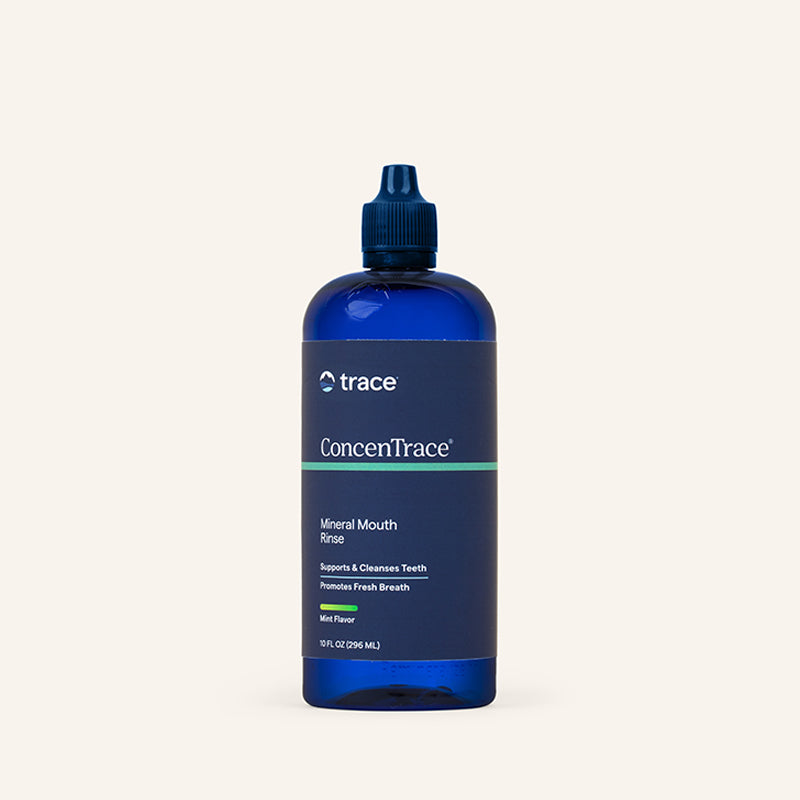
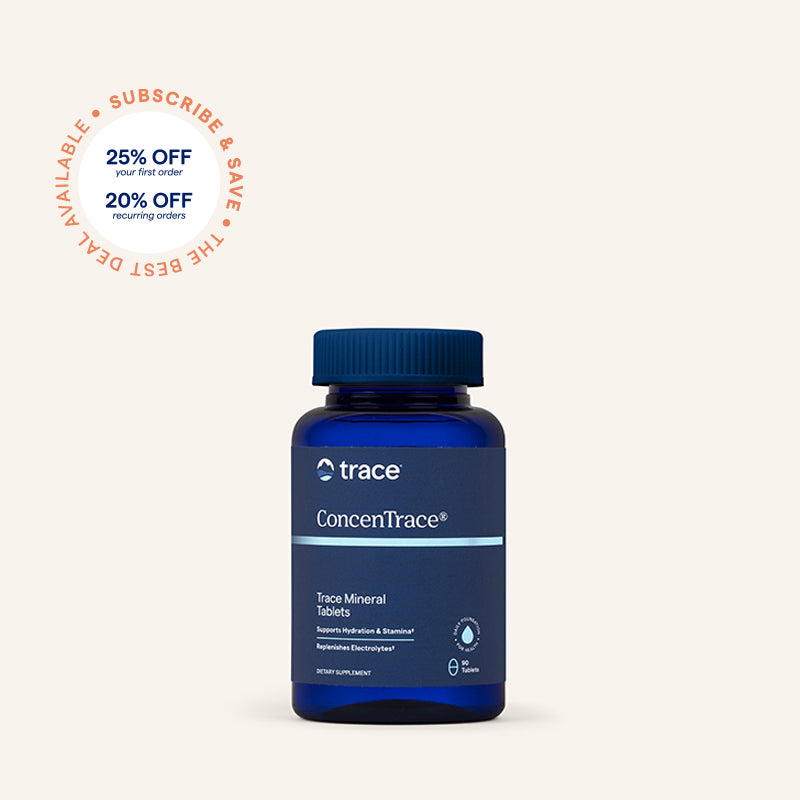
Support changing nutritional needs with a routine built for consistency and balance using Trace Minerals. If you are looking for the best multivitamin for women over 50, focus on multiminerals that support hydration, movement, and everyday energy. Trace combines thoughtfully formulated vitamins and minerals to help maintain daily wellness with clean sourcing, reliable absorption, and a practical approach to long-term support.
Assessing Bioavailability And Absorption Claims
Choosing the best multivitamin for women over 50 involves an honest look at how well nutrients are actually absorbed by the body, not just delivered in a supplement form. Bioavailability refers to the proportion of nutrients that enter the circulation and can be used for physiological functions. Not all vitamins and minerals are equally absorbed, and age-related changes often reduce absorption efficiency, making this factor especially relevant for women over 50.
Many multivitamin labels claim “maximum absorption” or “enhanced bioavailability.” But what does this mean in practical terms?
Here’s what to look for:
- Ionic & Chelated Minerals: Ionic forms and chelates (minerals bound to amino acids) are generally more readily recognized and absorbed by the body.
- Natural vs. Synthetic Forms: Some vitamins, such as vitamin E (d-alpha-tocopherol vs. dl-alpha-tocopherol), are available in both natural and synthetic forms. Natural types often have better bioavailability.
- Presence Of Absorption Aids: Nutrients like vitamin D, vitamin C, and certain botanicals can enhance the absorption of minerals such as calcium and iron.
- Formulation Synergy: Balanced multimineral formulas help prevent competitive absorption issues, where too much of one mineral can block another (e.g., excessive zinc interfering with copper uptake).
- Delivery Formats: Liquids, drops, and powders can support rapid absorption, especially for those with changes in digestive health.
True bioavailability supports hydration and energy metabolism, and is often a deciding factor when comparing the best supplements for energy.
Reading Supplement Facts Panels With Confidence
Navigating supplement facts panels can feel overwhelming, especially when searching for the best multivitamin for women over 50. Prioritizing the proper nutrients and the forms in which they're delivered can make a meaningful difference in your daily routine.
Here’s what to look for when reading labels, with clarity and confidence:
- Comprehensive Mineral Profile: Minerals like magnesium, calcium, potassium, and zinc should be present alongside vitamins. Minerals support hydration, metabolism, bone maintenance, and immune defense, and are especially important as nutrient needs shift with age.
- Ionic Or Chelated Forms: The body absorbs minerals more efficiently when they are in ionic or chelated forms. Check the panel for terms like “magnesium citrate” or “zinc gluconate” – these forms are easier for the body to recognize and utilize.
- Full-Spectrum Trace Minerals: Beyond the headline nutrients, look for a range of trace minerals such as selenium, boron, and chromium. They play supporting roles in energy metabolism and cognitive maintenance, and may help fill nutritional gaps in modern diets.
- Balanced Dosages: Be cautious of megadoses or excessively high percentages of the recommended daily value, unless advised by a healthcare provider. Consistent, balanced nutrient intake better aligns with daily needs and supports long-term wellness.
- Supporting Ingredients: Botanical extracts, amino acids, or healthy fats may be included to complement the vitamin and mineral content. These can support absorption and the body’s natural rhythms, but should not overshadow the foundational doses of minerals and vitamins.
- Transparency & Simplicity: Short, clear ingredient lists often signal a focus on essentials. Fewer fillers, artificial colors, or preservatives can indicate a cleaner formulation.
Well-balanced panels help distinguish supplements that prioritize minerals alongside vitamins, including supplements that support energy without relying on excess.
Potential Interactions With Common Medications
When choosing the best multivitamin for women over 50, it’s essential to consider how certain nutrients may interact with common medications. Vitamins and minerals can influence how these medications are absorbed or metabolized, sometimes affecting their effectiveness.
Always review the supplement facts of any multivitamin and discuss with your healthcare provider or pharmacist how it may interact with your prescribed medications. This ensures your daily supplement routine supports your health goals.
When A Multivitamin Alone Is Not Enough
For women over 50, nutritional needs shift in ways that a multivitamin alone may not fully address. While multivitamins can provide a convenient dose of essential vitamins, they often do not supply the comprehensive spectrum of minerals the body needs as it ages. Minerals are integral for foundational wellness, supporting hydration, bone health, cognitive function, metabolism, and efficient nerve signaling. Yet many daily multivitamins offer limited mineral content, often focusing more on vitamins, with minerals such as magnesium, potassium, and trace elements present in only small amounts.
Key considerations:
- Bone & Joint Health: With age, maintaining bone density and joint integrity becomes a priority. Calcium is just one element in this equation; other minerals, such as magnesium, zinc, boron, and manganese, also play supporting roles in bone metabolism and joint comfort.
- Energy & Metabolism: Minerals are crucial for energy production at the cellular level. Magnesium and chromium, for example, support efficient glucose metabolism and sustained energy levels, while iron and copper are essential for healthy blood flow and oxygen transport.
- Hydration & Electrolyte Balance: As the body ages, it often becomes less efficient at retaining water and electrolytes. Potassium, sodium, and chloride, key electrolytes, help support hydration, muscle function, and a healthy heart rhythm.
- Immune Support: Minerals such as zinc and selenium are essential for supporting a responsive immune system, especially when paired with a balanced vitamin profile.
Sources:
- Aggarwal, S., & Nityanand (2013). Calcium and vitamin D in post menopausal women. Indian journal of endocrinology and metabolism, 17(Suppl 3), S618–S620. https://doi.org/10.4103/2230-8210.123549
- Capozzi, A., Scambia, G., & Lello, S. (2020). Calcium, vitamin D, vitamin K2, and magnesium supplementation and skeletal health. Maturitas, 140, 55–63. https://doi.org/10.1016/j.maturitas.2020.05.020
- Wang, S. M., Yin, L. Y., Zhang, Y., Fan, J. H., Chang, I. J., Dawsey, S. M., Taylor, P. R., Abnet, C. C., & Qiao, Y. L. (2015). Multivitamin and mineral supplementation is associated with the reduction of fracture risk and hospitalization rate in Chinese adult males: a randomized controlled study. Journal of bone and mineral metabolism, 33(3), 294–302. https://doi.org/10.1007/s00774-014-0589-3
Disclaimer:
This article is for informational and educational purposes only and should not be taken as medical advice. Nutritional needs and supplement use can vary widely from person to person. Always consult with a qualified healthcare professional before making changes to your diet, lifestyle, or supplement routine, especially if you have an existing health condition or take medications. Working with your provider helps ensure safe and effective choices for your individual needs.
Frequently Asked Questions
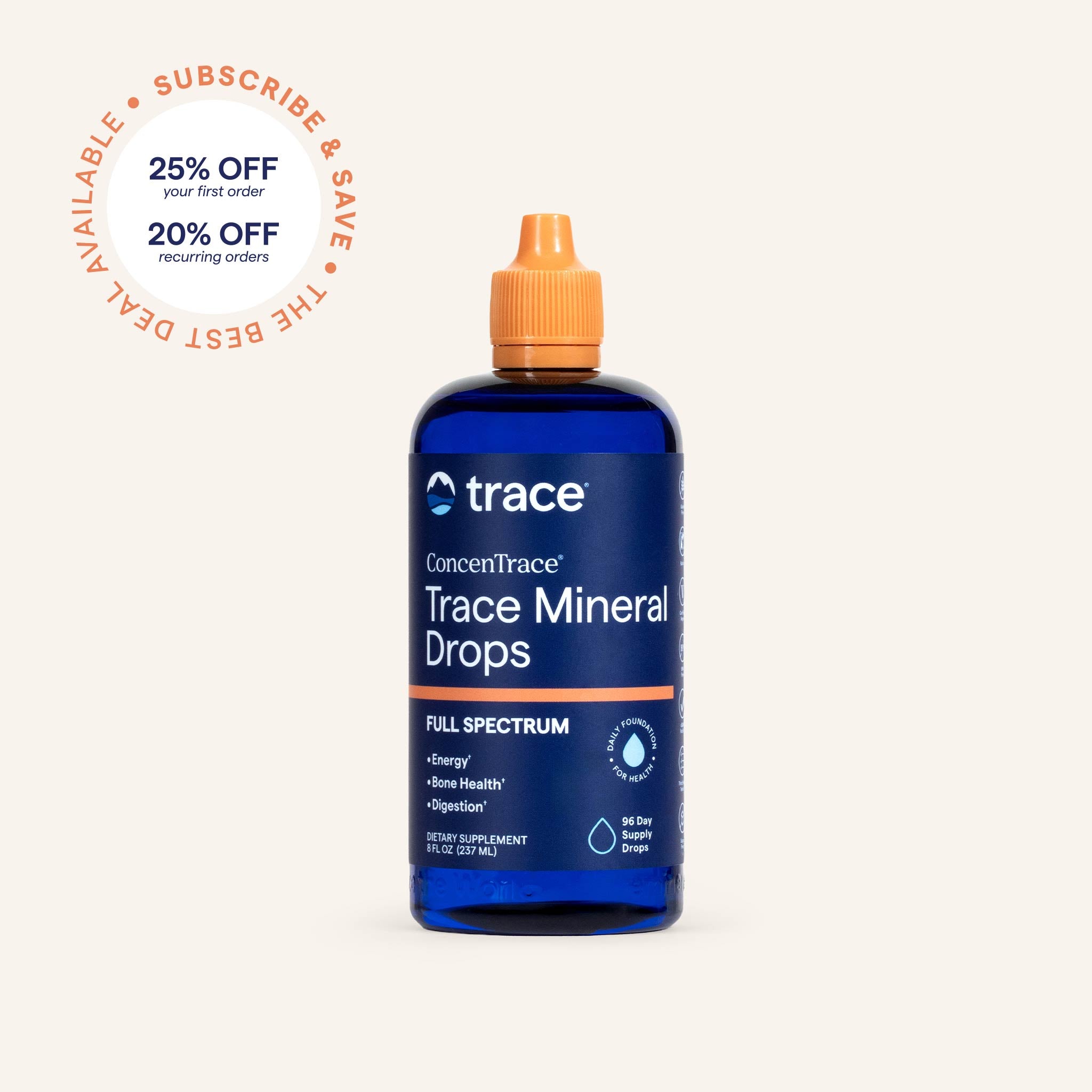
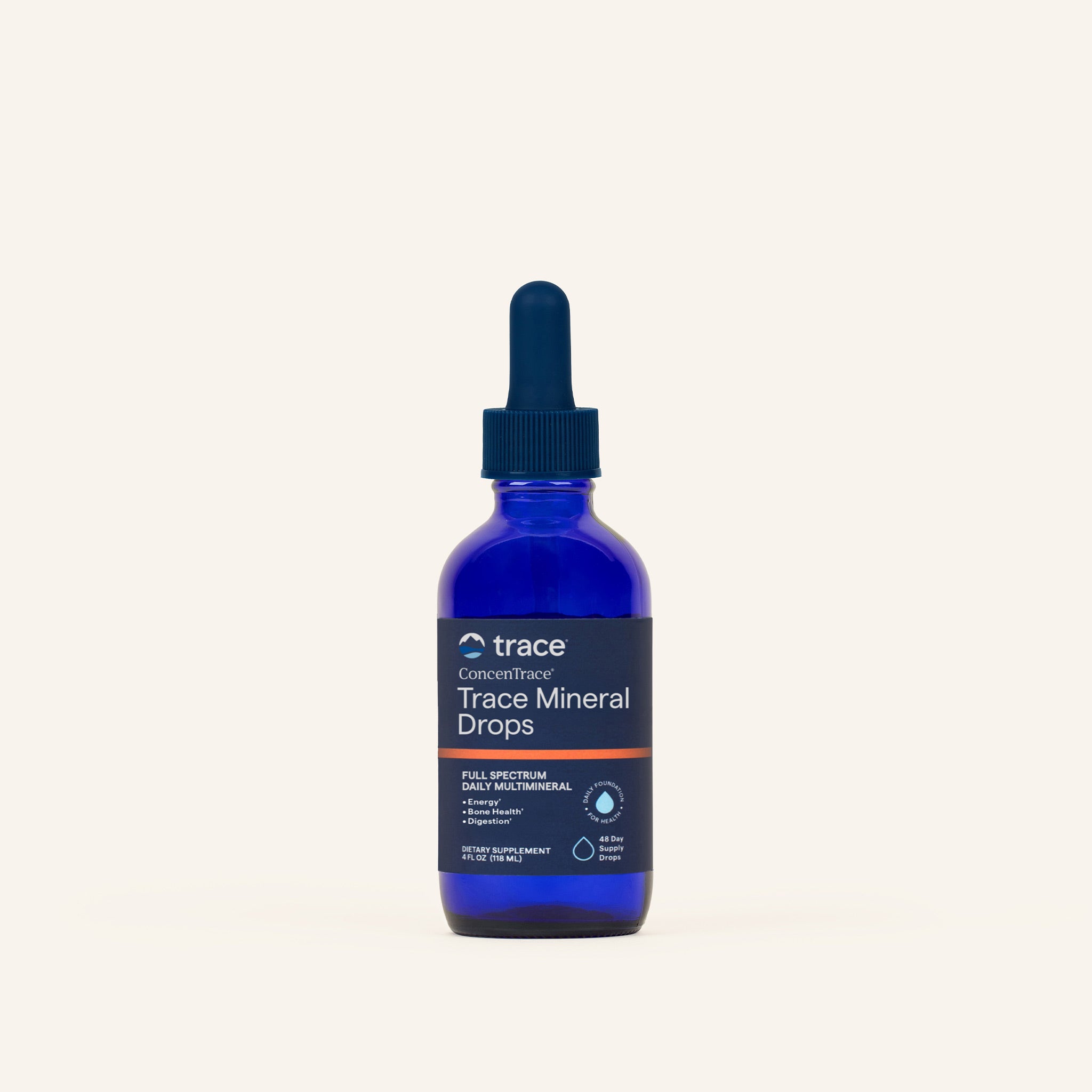
In addition to core vitamins, look for a mineral-rich profile that includes magnesium, calcium, zinc, and potassium. Ionic minerals, such as those in ConcenTrace Trace Mineral Drops, promote effective absorption and daily balance. Botanical blends and supportive nutrients, such as antioxidants or vitamin B12, can further enhance support.
Yes. Vitamin D plays a crucial role in calcium absorption and in maintaining bone health. As the body’s ability to synthesize vitamin D declines with age, a quality multivitamin for women over 50 should include adequate vitamin D, especially for those who get limited sun exposure.
Generally, women’s iron needs decrease after menopause. Multivitamins formulated for women over 50 typically contain lower iron levels, unless a healthcare professional recommends otherwise for specific health reasons.
Multivitamins can support overall wellness, helping address nutritional gaps that can arise during menopause. Minerals like magnesium and botanicals such as ashwagandha or rhodiola may help support mood, sleep, and energy. However, multivitamins are not intended to treat or prevent menopause-related symptoms directly.
Women over 50 typically require about 1,200 mg of calcium per day from all sources. Multivitamins may provide a portion of this amount; the rest should come from diet. Pairing calcium with magnesium and vitamin D can help with optimal mineral balance and absorption.
Top-rated options often include those with a strong multimineral base, a full spectrum of trace elements, and enhanced bioavailability, such as ConcenTrace Trace Mineral Drops. Look for formulations that provide balanced daily support without excessive megadoses.


