


Best Creatine Supplement
The best creatine supplement supports the energy your muscles rely on during strength training and high-intensity activity. At Trace Minerals, we focus on delivering the best creatine supplement with mineral support that fits into daily performance and recovery routines. Creatine plays a role in rapid energy production used during short bursts of movement such as lifting, sprinting, and training sessions.

What Is Creatine And How Does It Work?
Creatine is a compound naturally produced in the body from three amino acids: glycine, arginine, and methionine. The liver, kidneys, and pancreas synthesize approximately one gram of creatine daily (Physiological Reviews, 2000). Dietary sources include meat and fish, which provide additional creatine for individuals who consume animal products.
About 95 percent of creatine in the body is stored in skeletal muscle tissue as phosphocreatine (Physiological Reviews, 2000). The remaining five percent is distributed throughout the brain, liver, and kidneys. This storage system allows muscles to access creatine quickly during periods of high energy demand.
Creatine supplementation increases these stores beyond what diet and natural production typically provide. Research indicates that vegetarians and individuals who consume limited animal products often have lower baseline creatine stores, potentially seeing more noticeable changes when beginning supplementation.
The compound itself does not directly provide energy. Instead, it functions as part of the phosphocreatine system, one of three energy systems the body uses depending on the intensity and duration of activity.
Understanding these mechanisms helps individuals evaluate the best creatine supplements available today.

Types Of Creatine Supplements
Several creatine forms exist in the supplement market, each with distinct chemical structures and purported benefits. Understanding these differences helps when selecting the best creatine supplement for specific needs.
- Creatine Monohydrate: Creatine monohydrate consists of creatine bound to a water molecule. This form has been used in the majority of clinical research and remains the most common option. It typically appears as a white, flavorless powder that dissolves in water or other beverages. Many experts consider it the best creatine monohydrate supplement due to its extensive research and cost-effectiveness.
- Creatine Hydrochloride: Creatine hydrochloride bonds creatine with hydrochloric acid molecules. Manufacturers suggest this form offers enhanced water solubility, potentially requiring lower doses. Research comparing its effectiveness to monohydrate remains limited.
- Buffered Creatine: Buffered creatine combines creatine with alkaline compounds. The theory suggests this buffering may help the compound survive stomach acid more effectively, though research has not consistently demonstrated advantages over standard monohydrate.
- Creatine Ethyl Ester: Creatine ethyl ester attaches an ester group to the creatine molecule. Initial claims suggested improved absorption, but subsequent research has not supported superior effectiveness compared to monohydrate.
- Micronized Creatine: Micronized creatine refers to creatine monohydrate processed into smaller particles. This mechanical change may improve mixability in liquids but does not alter the chemical structure of creatine itself.
How Trace Minerals Support Creatine Effectiveness
Creatine does not work in isolation. Muscle function, energy production, and nutrient absorption depend on a complex network of processes that require adequate mineral status. Understanding these connections helps optimize supplementation practices.
Minerals Support Enzymatic Reactions And Energy Metabolism
Minerals function as cofactors for hundreds of enzymatic reactions throughout the body. These reactions include those involved in protein synthesis, energy metabolism, and cellular repair processes that occur alongside the mechanisms through which creatine supports performance.
Mineral Balance Supports Training And Recovery
When considering the Best Pre-Workout for Men or evaluating options for different training needs, it is important to consider the broader nutritional foundation supporting training and recovery. Mineral deficiencies or imbalances may limit the body's ability to respond optimally to training stimuli, regardless of creatine supplementation. Find the best creatine supplement for men with Trace.
The Role Of Electrolytes In Muscle Function
Electrolytes, including sodium, potassium, calcium, and magnesium, play direct roles in muscle contraction and relaxation. These minerals carry electrical charges that enable nerve signals to trigger muscle fibers and coordinate movement.
- Sodium & Potassium Maintain Electrical Gradients: Sodium and potassium work together to maintain the electrical gradient across the membrane of a muscle cell. This gradient is essential for the action potentials that stimulate muscle contraction and influence overall muscle performance capacity.
- Calcium Initiates Muscle Contraction: Calcium is the signal that initiates muscle contraction. When a nerve impulse reaches a muscle fiber, calcium ions enter the cell, activating the proteins responsible for contraction, allowing the fiber to shorten and generate movement.
- Magnesium Supports Energy & Muscle Relaxation: Magnesium supports more than 300 enzymatic reactions in the body, including those involved in ATP production and protein synthesis. It also helps calcium movement and supports the relaxation phase that follows muscle contraction.
- Electrolyte Balance Supports Hydration & Performance: Knowing whether to time Electrolytes Before or After Workout matters here, as adequate electrolyte balance supports hydration, allowing muscles to function efficiently. Creatine supplementation can increase water retention in muscle tissue, making hydration and mineral balance especially relevant for individuals who regularly use creatine.
Mineral Balance For Optimal Absorption
Nutrient absorption and utilization involve complex interactions between different minerals and compounds. Some minerals compete for absorption sites, while others work synergistically to support body functions.
- Zinc Supports Protein Synthesis & Immune Function: Zinc plays roles in protein synthesis and immune function. Adequate zinc status may support muscle adaptation to training. However, excessive supplementation with individual minerals can create imbalances that affect the absorption of other essential nutrients.
- Trace Minerals Support Metabolic Processes: Trace minerals, including selenium, copper, and chromium, participate in various metabolic processes. While required in smaller amounts than major minerals, these elements contribute to overall metabolic health and cellular function.
- Full-Spectrum Minerals Help Maintain Nutrient Balance: Full-spectrum mineral supplementation helps maintain balance rather than creating excesses or deficiencies of individual minerals. This approach supports the body's complex nutrient interactions rather than focusing narrowly on single elements.
- Ionic Minerals May Support Absorption Efficiency: The ionic form of minerals may support absorption efficiency. Ionic minerals carry electrical charges, allowing them to dissolve readily in water and interact with cellular transport mechanisms. This property may support their availability for body functions.
Choosing The Right Creatine Supplement For Your Needs
Understanding Workout Supplements That Work is a useful foundation before selecting the best creatine supplement, as it involves evaluating several factors beyond the type of creatine used. Quality standards, additional ingredients, and practical considerations all influence which product works best for individual situations.
Considering Your Fitness Goals
Different training approaches may influence how you use creatine supplementation.
- Creatine Use For Strength & Power Training: Individuals focused on strength and power development typically see the most consistent benefits from creatine. This includes powerlifters, Olympic weightlifters, and athletes in sports requiring explosive movements.
- Creatine In Muscle Development Programs: Bodybuilders and individuals training for muscle development often include creatine as part of their supplementation strategy. The combination of increased training capacity and potential support for recovery with the best creatine supplement for women aligns with muscle-building goals.
- Creatine Considerations For Endurance Athletes: Endurance athletes may experience less dramatic benefits, but they can still find value in creatine supplementation, particularly if training includes high-intensity intervals or strength work. Some endurance athletes use creatine during periods emphasizing strength development.
- Creatine Use For Healthy Aging & Muscle Maintenance: Older adults interested in maintaining muscle mass and functional capacity may consider creatine as part of a comprehensive approach that includes resistance training and adequate protein intake. Research in this population shows promise for supporting long-term muscle health.
- Creatine & General Wellness Goals: If general wellness and daily function are primary goals, the best creatine for women may align with those priorities. In cases where they don’t, foundational nutrition and mineral intake may take priority over specialized supplements such as the Best Pre-Workout for Women or performance-focused formulas.
Quality And Sourcing Standards
- Third-party Testing Verifies Supplement Quality: Third-party testing verifies that supplements contain what their labels claim, free of harmful contaminants. Organizations like NSF International, Informed Choice, and USP test supplements and certify products that meet specific quality and safety standards.
- Creatine Purity Levels Indicate Product Quality: For creatine specifically, look for products that specify purity levels. High-quality creatine monohydrate should be at least 99.9 percent pure. Contamination with creatinine, a breakdown product, or other impurities may indicate lower product quality.
- Additional Ingredients In Some Creatine Formulas: Some creatine supplements include additional ingredients such as carbohydrates, amino acids, or other compounds. While these combinations may offer convenience, they also increase cost and introduce variables that may not align with individual preferences.
- Powder & Capsule Format Differences: Unflavored creatine monohydrate powder offers flexibility. It mixes easily into different beverages and allows precise control over intake. Capsules and tablets provide convenience for individuals who prefer not to measure or mix powdered supplements.
- Comparing Cost Per Gram Of Creatine: Price per serving varies significantly between products. Calculating the actual cost per gram of creatine provides a more accurate comparison than container price alone, since higher-priced products do not always provide better quality or effectiveness.
Creatine Safety And Efficacy
Research on creatine safety spans decades, with studies examining both short-term and long-term use. Current evidence indicates that creatine monohydrate is safe for healthy individuals when used at recommended doses.
Creatine And Hydration Status
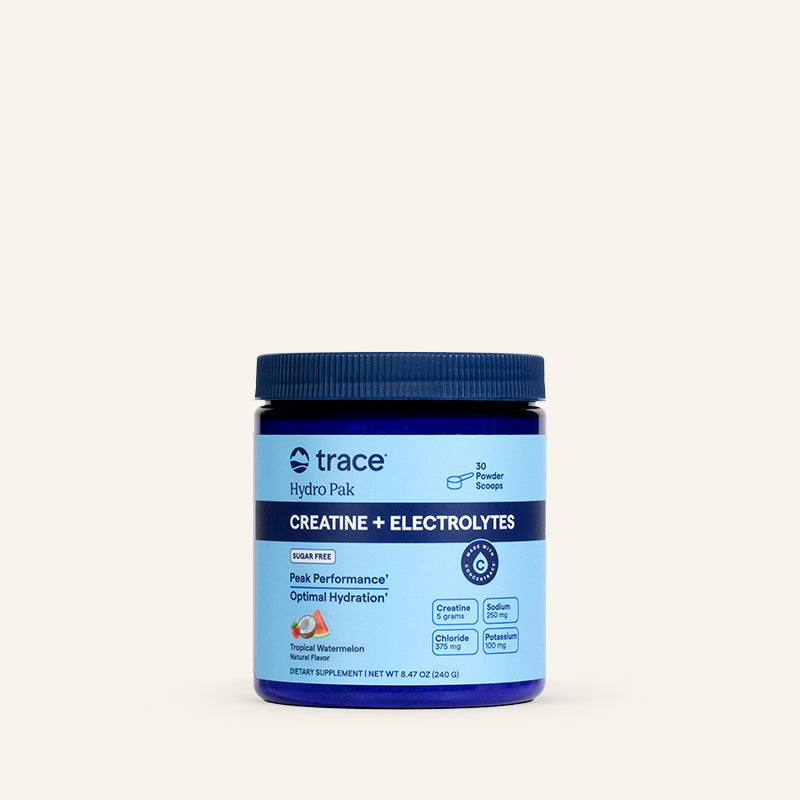
Creatine does not cause dehydration despite early misconceptions. The water retention associated with creatine occurs primarily within muscle cells, without affecting overall hydration status. Maintaining adequate fluid intake remains important for anyone engaged in regular physical activity, which is why our Creatine + Electrolytes formula pairs both in a single product.
Why Individuals Respond Differently To Creatine
Some individuals respond more strongly to creatine supplementation than others. Genetic factors, dietary patterns, and baseline muscle creatine stores influence response. Individuals with lower initial stores, such as vegetarians, often experience more noticeable effects.
Creatine Cycling And Long-Term Use
Cycling creatine by taking breaks from supplementation is not necessary, according to current research. The body continues producing creatine naturally even during supplementation, and stores return to baseline levels after stopping use.
Disclaimer: This article is for informational and educational purposes only and should not be taken as medical advice. Nutritional needs and supplement use can vary widely from person to person. Always consult with a qualified healthcare professional before making changes to your diet, lifestyle, or supplement routine, especially if you have an existing health condition or take medications. Working with your provider helps ensure safe and effective choices for your individual needs.
Sources:
- Wyss, M., & Kaddurah-Daouk, R. (2000). Creatine and creatinine metabolism. Physiological Reviews, 80(3), 1107–1213. https://journals.physiology.org/doi/10.1152/physrev.2000.80.3.1107
- Kreider, R. B., Kalman, D. S., Antonio, J., Ziegenfuss, T. N., Wildman, R., Collins, R., Candow, D. G., Kleiner, S. M., Almada, A. L., & Lopez, H. L. (2017). International Society of Sports Nutrition position stand: Safety and efficacy of creatine supplementation in exercise, sport, and medicine. Journal of the International Society of Sports Nutrition, 14, 18. https://jissn.biomedcentral.com/articles/10.1186/s12970-017-0173-z
Frequently Asked Questions
Creatine is an amino acid–derived compound stored mainly in skeletal muscle as phosphocreatine. During intense activity, it donates phosphate groups to regenerate ATP, helping muscles maintain power output during short bursts like sprinting or weightlifting.
Creatine supports the phosphocreatine energy system, which rapidly regenerates ATP during high-intensity activity lasting about 10 seconds. Increased phosphocreatine stores help muscles sustain repeated powerful contractions during activities like resistance training or sprint intervals.
Common creatine forms include creatine monohydrate, creatine hydrochloride, buffered creatine, creatine ethyl ester, and micronized creatine. Monohydrate is the most researched. Micronized creatine improves mixability, while other forms differ mainly in their chemical structures and solubilities.
Creatine monohydrate has the strongest research support and safety record. Studies generally show no meaningful performance advantage for newer forms. Monohydrate is also more affordable, making it the most widely recommended creatine supplement.
Creatine supplementation combined with resistance training supports strength and optimal power output. Higher phosphocreatine stores allow greater training volume, which may promote long-term adaptations. Some research also suggests that creatine may support muscle recovery.
Minerals act as cofactors for enzymatic reactions involved in energy metabolism, muscle contraction, and protein synthesis. Electrolytes such as sodium, potassium, calcium, and magnesium support the muscle activity and metabolic pathways associated with creatine-supported performance.


