


Beef Liver Supplements
Ever feel like you’re doing “all the right things” for your nutrition, yet something still feels missing? Modern diets move fast, and nutrient gaps can quietly add up. That’s where beef liver supplements come into the conversation, not as a trend, but as a return to nutrient-dense foundations your body recognizes.
Filters
Filters
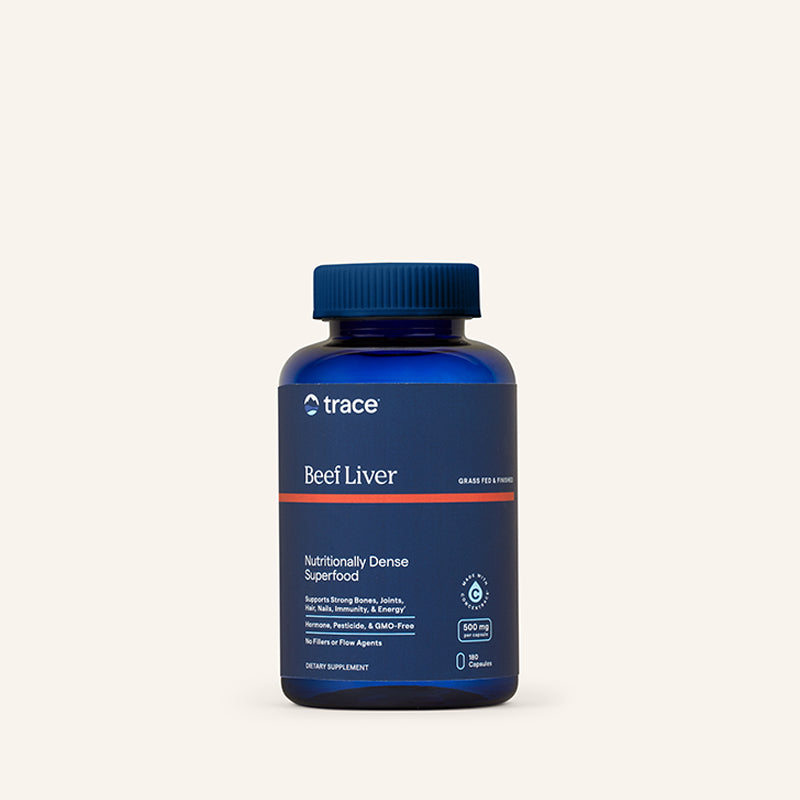
Understanding Beef Liver Supplements
Beef liver supplements provide a concentrated source of essential nutrients that are often lacking in modern diets. Sourced from carefully processed, dehydrated beef liver, these supplements deliver a range of vitamins and minerals in easy-to-take capsule or powder form. Many people explore these products for their beef liver supplement benefits, especially when looking for consistent, food-based nutrient support.
Nutrient Profile
- Vitamins: Beef liver is particularly rich in vitamin A, several B vitamins (including B12, riboflavin, and folate), and small amounts of vitamin D.
- Minerals: A serving can supply significant amounts of iron, zinc, copper, and selenium, in forms the body can absorb efficiently.
- Amino Acids: Naturally occurring proteins and amino acids support muscle maintenance and energy production.
Why Consider Beef Liver As A Supplement?
The nutrient density of beef liver appeals to individuals seeking to complement their daily intake, especially in a diet that may be low in organ meats or whole-food mineral sources. In many modern eating patterns, essential nutrients such as iron and B12 can be underrepresented, particularly among those following restrictive diets.
Beef liver supplements are designed for practical consistency, allowing users to support their nutrient intake without sourcing and preparing organ meats. This places them among commonly explored beef organ supplements for people focused on foundational nutrition.
Quality And Sourcing
When selecting a beef liver supplement, quality matters. Look for:
- Sourcing from grass-fed, pasture-raised cattle, such as grass-fed beef liver capsules
- Minimal processing methods, like freeze-dried beef liver to help preserve nutrient content
- Transparent labeling for dosage and ingredients
As with any supplement, it’s important to consider how it fits into your broader nutrition and lifestyle choices, prioritizing variety, balance, and individualized needs.

Core Minerals And Vitamins Naturally Found In Beef Liver
Beef liver is one of the most nutrient-dense foods, renowned for its concentration of essential minerals and vitamins in forms the body can efficiently absorb and use. Below is an overview of the key minerals and vitamins commonly found in beef liver supplements, including options within broader wellness supplement categories.
Minerals
- Iron: Supports energy metabolism by helping transport oxygen in the bloodstream.
- Copper: Plays a role in energy production, iron metabolism, and connective tissue health.
- Zinc: Essential for immune support, cell growth, and repair.
- Phosphorus: Involved in bone mineralization and energy production.
- Selenium: Acts as an antioxidant, supporting cellular protection and thyroid health.
Vitamins
- Vitamin A (Retinol): Supports vision, skin health, and immune function.
- Vitamin B12: Vital for red blood cell formation, nervous system support, and energy balance.
- Folate (B9): Supports DNA synthesis and cell division, especially important for those with higher metabolic demands.
- Riboflavin (B2): Aids in energy production and helps maintain cellular function.
- Choline: Important for liver function, brain health, and cell membrane integrity.
Additional Nutrients
Beef liver also provides smaller but impactful amounts of CoQ10 and other B vitamins, supporting mitochondrial and cognitive function. These nutrients are often highlighted in discussions around the best supplements for energy and nutrient-dense routines.
Beef Liver Supplements vs Whole Food Liver: Pros And Cons
Beef liver is widely recognized for its dense nutritional profile, providing highly bioavailable forms of key vitamins and minerals. Whether you’re considering it as a supplement or incorporating whole food liver into your meals, each approach offers distinct benefits and limitations.
Pros Of Beef Liver Supplements
- Convenience: Supplements are easy to integrate into busy routines, requiring no preparation or cooking.
- Standardized Dosage: Capsules deliver consistent, measured amounts of nutrients, supporting more predictable intake.
- Reduced Taste Barriers: Many find the flavor and texture of cooked liver challenging, which supplements help bypass.
- Longer Shelf Life: Capsules and tablets can be stored for extended periods without refrigeration, making them a popular option when comparing the best beef liver pills.
Cons Of Beef Liver Supplements
- Reduced Synergy: Some components found in whole foods may not be present or may not be preserved in supplements.
- Potential Additives: Not all supplements are created equal. Fillers or binders may be included depending on the brand.
- Cost: Depending on the source and quality, supplements can cost more per serving than bulk liver.
Pros Of Whole Food Liver
- Full Nutrient Spectrum: Consuming whole-food liver provides not just trace minerals but also cofactors and naturally occurring nutrients in their original forms.
- Culinary Integration: Can be used in diverse recipes, allowing for customizable flavor and presentation.
- Cost-Effectiveness: Typically less expensive per gram of nutrients, especially when purchased in bulk or from local sources.
Cons Of Whole Food Liver
- Taste & Texture: Strong flavor or firm texture can deter consistent intake for some people.
- Preparation Time: Requires purchasing, storing, cooking, and cleaning, which may limit practicality.
- Variable Nutrient Density: Factors like animal diet and cooking method influence the exact nutrient content of each serving.
Both options offer unique paths to nutritional support, but their suitability depends on individual preferences, lifestyle, and nutritional priorities.
Who Might Consider Adding Beef Liver To Their Routine
Beef liver supplements have earned attention among adults looking to support foundational nutrition, especially those seeking a food-first, mineral-rich approach often discussed alongside the best supplements for men.
The following groups commonly explore beef liver as part of their daily wellness strategy:
- Individuals With Low Red Meat Intake: Those who follow plant-based or restricted diets may seek beef liver supplements to support daily intake of nutrients commonly found in animal organs, such as bioavailable iron, vitamin A, and B vitamins.
- Active Adults & Athletes: With increased demands on the body, active individuals may consider beef liver for its naturally occurring minerals, including iron and copper, which support energy metabolism and help maintain an active lifestyle.
- Aging Populations: As natural nutrient absorption declines with age, those in later stages of life may seek mineral-dense supplements like beef liver to help maintain consistent nutrient intake.
- People Focused On Immune Support: Beef liver is a source of zinc and vitamin A, two nutrients that support immune function and overall wellness.
- Those With Modern, Processed Diets: Contemporary eating habits, food sourcing, and water filtration can sometimes result in trace mineral gaps. Nutrient-dense options like beef liver are often considered by individuals interested in comprehensive micronutrient support.
While beef liver is a concentrated source of select nutrients, balance and consistency matter. Pairing it with a broad spectrum of foundational minerals and nutrients supports the body's diverse needs, offering well-rounded nutritional support.
How Much Beef Liver Supplement Is Generally Suggested
Beef liver supplements have gained attention for their concentrated nutritional value, particularly their natural content of vitamin A, B vitamins, iron, and trace minerals. When considering dosage, it’s important to focus on both safety and supporting consistent nutrient intake over time.
Most formulations provide dried and encapsulated beef liver in servings equivalent to about 1–2 ounces of fresh liver per day. Common guidelines suggest:
- Capsules: Typical serving ranges from 3 to 6 capsules daily, which usually delivers 1,500–3,000 mg of dried beef liver powder.
- Powder: A daily scoop (often 3–5 grams) mixed into food or beverage, aligning with the capsule equivalency.
- Frequency: Daily or several times per week, depending on individual dietary needs and nutrient gaps.
Beef liver is naturally rich in vitamin A, so it’s important not to exceed recommended servings. Excessive vitamin A may strain liver function and overall mineral balance. When integrating a beef liver supplement, consider how it fits within your total daily nutrient intake from food and other supplements.
Individuals with specific health conditions, those who are pregnant, or anyone managing particular nutrient concerns should consult a healthcare professional before starting a regimen. Ultimately, consistency at moderate servings best supports daily nutrition without excess.
Possible Side Effects And Safety Considerations
Beef liver supplements are valued for their nutrient density, especially vitamin A, iron, and B vitamins. As with any supplement, it’s important to consider dosage, individual health needs, and potential interactions.
Vitamin A Intake
Beef liver is naturally high in preformed vitamin A. While this supports vision, skin health, and immune function, excess intake from supplements can lead to hypervitaminosis A, which can manifest as headaches, fatigue, or, in rare cases, more severe symptoms. Monitoring total vitamin A from food and supplements is key, especially for pregnant individuals or those with liver conditions.
Iron Levels
The highly bioavailable heme iron in beef liver can help maintain healthy energy levels and cognitive function. However, those who are not iron-deficient should stay mindful: over-supplementation may contribute to iron accumulation, with potential effects on liver health.
Potential Allergens And Sourcing
Individuals with sensitivities to beef or animal proteins should check ingredient lists. Sourcing also matters. Look for supplements that clearly state origin and quality testing, supporting transparency and safety.
Medication And Health Interactions
High concentrations of minerals and fat-soluble vitamins in beef liver supplements may interact with certain medications or underlying conditions. Those taking prescription medications or managing chronic health issues should consult a healthcare provider before adding any nutrient-dense supplement.
Digestive Comfort
Some people experience mild digestive changes, such as upset stomach or loose stools, when first introducing beef liver supplements. Starting with a lower dose and assessing tolerance may help.
As with all dietary supplements, balance, consistency, and individualized attention to wellness goals are critical for safe, effective use.
Frequently Asked Questions
Beef liver supplements are dietary products made from desiccated (dried and powdered) bovine liver. Available in capsule or tablet form, they provide a concentrated source of vitamins, minerals, and amino acids found in fresh beef liver, making them an accessible option for those seeking the potential nutritional benefits of organ meats without cooking or taste adjustments.
Most beef liver supplements are considered safe for healthy adults when taken as directed and sourced from reputable producers. However, due to the naturally high vitamin A content and other nutrients, it’s important to use these supplements according to recommended guidelines. Anyone with specific health concerns, liver conditions, or those on medication should consult a healthcare professional.
Individuals seeking to complement their mineral and vitamin intake, particularly those with diets low in nutrient-dense animal foods or organ meats, may consider beef liver supplements. This can include people with busy lifestyles, aging adults, and individuals aiming to optimize foundational nutrition. As always, a consultation with a qualified health care provider is recommended before taking any new supplement.
Beef liver is rich in heme iron, the most readily absorbed form of iron found in food. Supplements can help support healthy iron levels, especially for individuals with higher iron needs. However, supplementation should always be guided by professional advice and not used as a sole solution for diagnosed iron deficiency.
Beef liver’s combination of B vitamins, iron, and other nutrients may support healthy energy metabolism and help reduce common feelings of fatigue, especially when low nutrient intake is a contributing factor. For most, real and lasting energy comes from overall dietary patterns, lifestyle habits, and consistent daily intake of micronutrients.
Beef liver provides vitamin A, zinc, and other minerals known to support immune function. Including a mineral-forward approach alongside balanced nutrition may provide consistent, foundational immune support, but supplements are always best used to strengthen, not replace, overall dietary quality.


